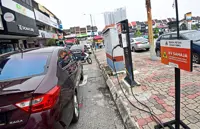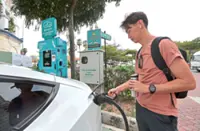
PETALING JAYA: Electric vehicle (EV) charging bays at commercial centres must meet strict safety standards set by the Energy Commission to minimise fire risks.
A spokeswoman for a Subang Jaya shopping mall said the power supply for its charging bays operates independently of other appliances.
“In the event of a surge or overload, an isolator cuts off power to contain any fire risk. These strict safeguards minimise untoward incidents,” she said.
She recommended that EV owners adopt similar measures at home by installing dedicated circuits rather than sharing power with household appliances
An EV charging systems expert from an established industry player said homeowners should ensure their existing electrical systems can safely handle the extra load before installing a charger.
The expert, who declined to be named, said a licensed electrician registered with the relevant authorities should inspect the home’s wiring and fuse box before installation.
“Most Malaysian homes run on single-phase power, which has limited capacity. Homes with high electricity usage from air-conditioners and water heaters may need a three-phase upgrade before installing an EV charger,” he said.
He said Malaysia already has guidelines on the installation of EV charging systems, including requirements for licensed installers, appropriate safety switches, wiring and documentation.
The key issue, he said, is ensuring these requirements are followed and only certified installers or electricians are engaged.
EV manufacturers have also advised customers through their official channels to use approved installation services, he added.
Inspections and documentation are already part of the installation process, with installers required to submit the necessary documents to demonstrate that the work had been carried out safely.
He cautioned against buying uncertified chargers on e-commerce platforms as their safety standards may not comply with local electrical requirements.