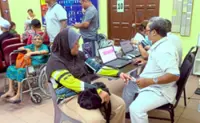
PETALING JAYA: Three in every four people from low-income households who underwent free health screenings under a government scheme last year were found to have at least one major non-communicable disease (NCD), says the Health Ministry.
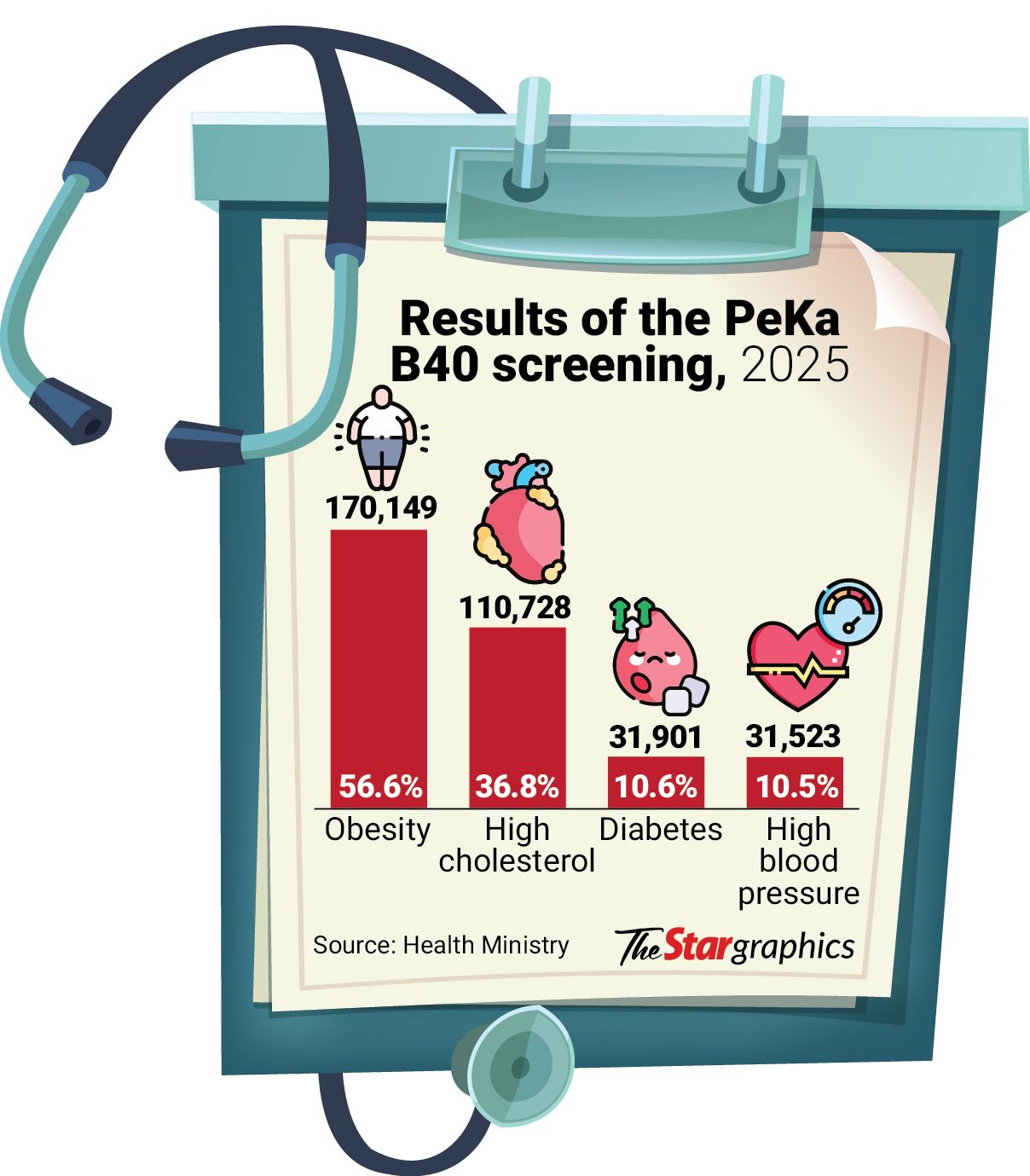
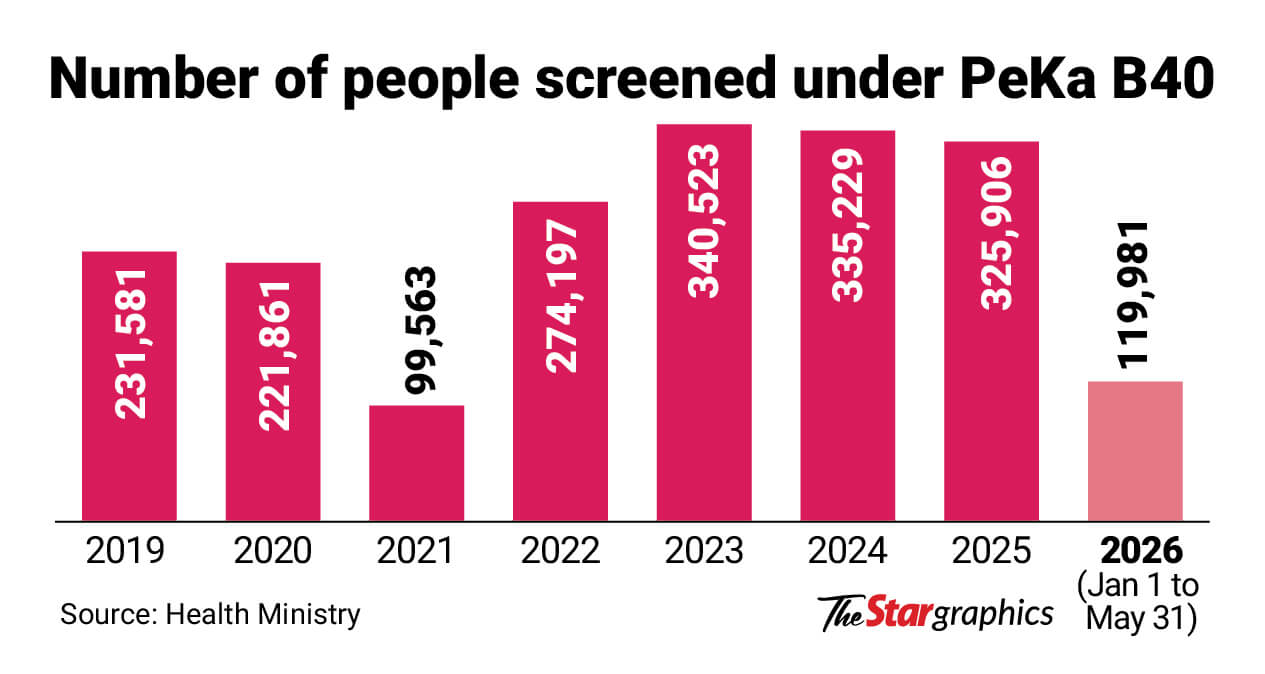
The ministry said 325,906 people took part in the PeKa B40 health screening programme in 2025, with 300,825 completing the full health screening process.
Among those who did the full screening, 227,891 (75.76%) were identified as having at least one of four NCDs: obesity, diabetes, high blood pressure or high cholesterol.
Of the same group, 133,481 individuals (44.37%) were found to have at least one of three NCDs: diabetes, high blood pressure or high cholesterol.
“These findings highlight the importance of early detection and intervention among vulnerable populations,” the ministry told The Star.
The ministry said from its introduction on April 15, 2019, to May 31, 2026, the PeKa B40 programme had provided health screening services to 1.94 million Malaysians from low-income households.
PeKa B40 is a government initiative under the ministry that aims to support the healthcare needs of low-income groups, and focuses on NCDs.
The programme is administered by ProtectHealth Corporation Sdn Bhd, a wholly-owned subsidiary of ProtectHealth Malaysia, which is under the Health Ministry.
According to its website, PeKa B40 is open to Malaysian citizens in the bottom 40% household income group.
Recipients of the Sumbangan Tunai Rahmah aid payment and their spouses aged 40 and above are automatically eligible.
No special registration is required to join PeKa B40.
The health screening can be performed by doctors at any public clinic or private clinic registered with PeKa B40.
The ministry said beneficiaries with abnormal screening results are given follow-up care based on their clinical needs.
“The referral pathway ensures that beneficiaries with suspected or confirmed health conditions receive timely access to further investigation, treatment and long-term disease management within the Health Ministry healthcare system.”
It said one of the programme’s key achievements has been improving access to preventive healthcare services among low-income groups, who may otherwise delay or miss health screening.
“Early diagnosis allows individuals to seek timely treatment, adopt healthier lifestyles and better manage their conditions, ultimately reducing the risk of serious complications such as heart disease, stroke and kidney failure,” it said.