
KUALA LUMPUR: Malaysia’s installed solar capacity under government programmes has reached 3,254.61 megawatts (MW) as of April 30, 2026, driven by strong uptake from households, businesses and communities, says Datuk Seri Fadillah Yusof (pic).
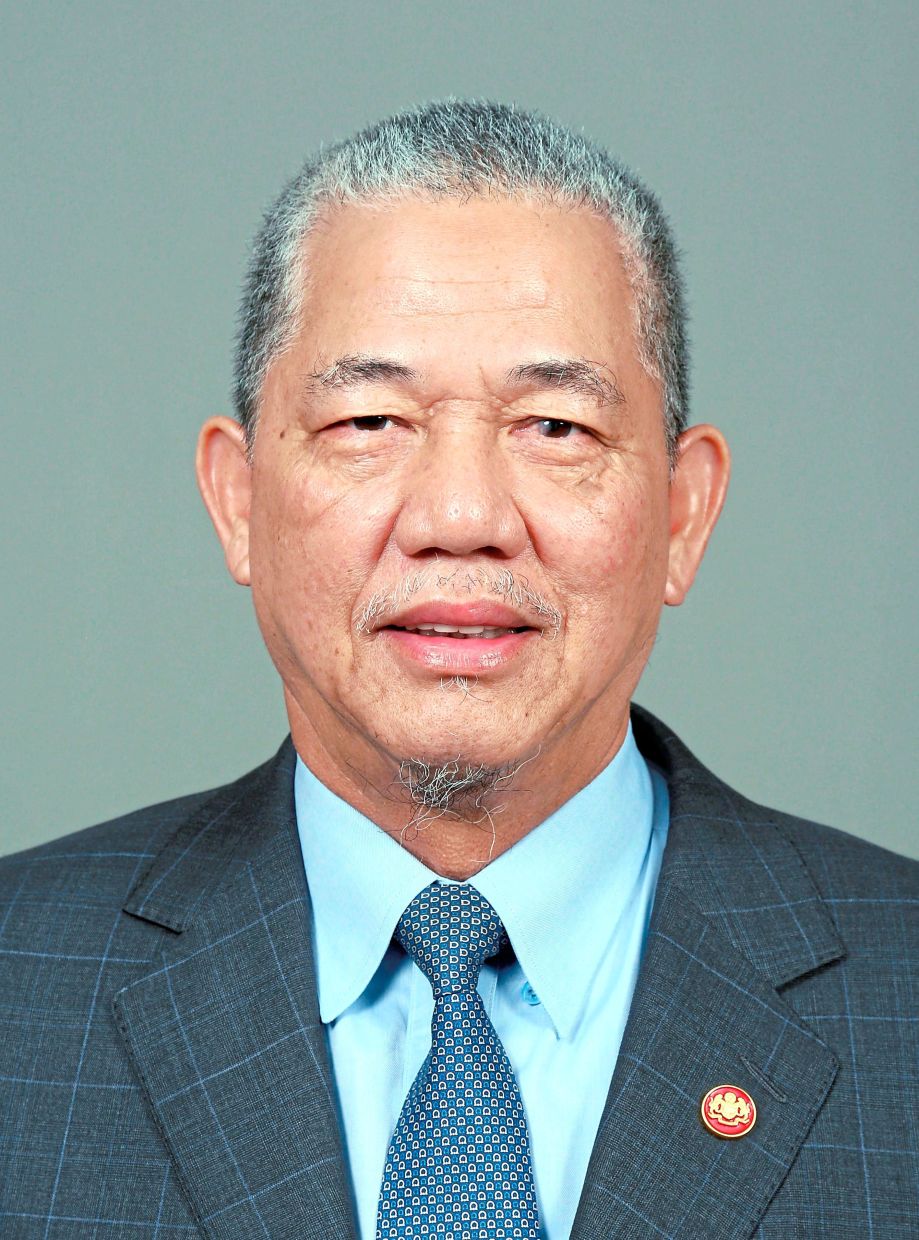
The Deputy Prime Minister, who is also the Energy Transition and Water Transformation Minister, said the figure reflects growing participation in rooftop solar initiatives as the country pushes to expand renewable energy adoption and reduce reliance on the national grid.
Of the total capacity, 2,903MW came from the Net Energy Metering (NEM) scheme, 345MW from the Feed-in Tariff (FiT) solar photovoltaic mechanism, and 6.61MW from the Solar Accelerated Transition Action Programme (Solar ATAP).
“This achievement reflects increasing public participation in generating clean electricity for self-consumption, while reducing reliance on supply from the national grid,” he said in a parliamentary written reply to Datuk Mas Ermieyati Samsudin (PN-Masjid Tanah).
Mas Ermieyati had asked the ministry to state the total installed capacity of solar energy through government programmes such as NEM, Solar Rooftop and Solar ATAP, as well as the ministry’s new plans to expand participation among households, small entrepreneurs and rural communities in the solar energy sector.
The Star in its front page report on June 23 highlighted that as air conditioning use is expected to rise with El Nino many Malaysians were switching to solar energy with the rise in electricity bills.
To further expand household participation in the solar sector, the government has introduced the SuRIA Home Programme under Solar ATAP, with an allocation of RM150mil, said Fadillah.
“Under this initiative, eligible domestic users may receive a rebate of RM600 per 1kWac of installation, up to a maximum of RM3,000 for a 5kWac system, to help reduce the upfront cost of installing solar systems.
“Beyond households, the government is also encouraging participation from the commercial sector, including SMEs, through the Solar ATAP programme.
This initiative allows business premises owners to install solar systems for self-consumption, thereby reducing operating costs and enhancing business competitiveness through the use of clean energy,” he said.
For rural communities, the government is taking a more holistic approach to solar development tailored to local needs, he added.
“This includes promoting community-based models such as solar installations in public premises, social institutions, schools, mosques and community facilities, through collaboration with state governments, local authorities and the private sector.
“My ministry will continue to strengthen the country’s solar ecosystem through improvements in policy, regulatory processes and market mechanisms to ensure that solar installations become more accessible, affordable and beneficial to a wider segment of the population,” said Fadillah.