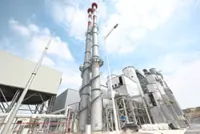
PETALING JAYA: Selangor’s first waste-to-energy plant is operating under live monitoring by the Department of Environment (DOE), with its emissions and environmental performance tracked in real time, says Datuk Seri Amirudin Shari.
The Mentri Besar said the Waste-to-Energy Plant 1 (WTE1) at the Integrated Solid Waste Management Centre in Jeram is required to comply with strict DOE guidelines, particularly on emissions control.
According to Amirudin, the plant’s control room is linked directly to the DOE, allowing the department to continuously monitor its operations.
“There are requirements, including combustion limits, the prevention of dioxin emissions, and the control of dust particles.
“So far, after one month of operations, everything remains within the required standards and capacity,” he told reporters after launching the WTE1 yesterday.
He was responding to concerns over the use of incinerator technology, which is often associated with air pollution, and whether the state could assure the public of its safety.
Amirudin said data from the plant could be made public, stressing the state’s commitment to transparency.
“This can be reported. We can answer anytime, any question. We want to be transparent,” he said.
He added that the plant was already operating at close to full energy-generation capacity while meeting all environmental requirements.
According to operator Worldwide Holdings Bhd, WTE1 can process up to 1,500 tonnes of municipal solid waste daily and generate a net electricity output of 26MW, enough to power about 26,000 homes, depending on consumption levels.
The facility began operations on May 13.
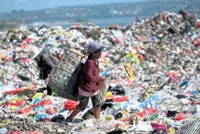
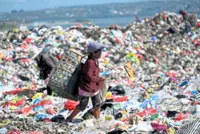
Amirudin said WTE1 would help reduce Selangor’s reliance on landfills, although landfill sites would still be needed for inert waste such as construction debris and residue from the waste-to-energy process.
He said a second facility, WTE2, is expected to be completed by the end of the year, possibly as early as October or November.
Together with the Tanjung Dua Belas WTE facility currently under development, Selangor is expected to be able to process up to 5,500 tonnes of waste daily through waste-to-energy technology.
However, the state currently generates between 7,000 and 8,000 tonnes of waste each day, meaning a portion will still need to be disposed of at landfills.
On infrastructure around the Jeram facility, Amirudin acknowledged the need to upgrade roads and other public facilities in the area.
He said the demand was driven not only by the WTE plant but also by rapid industrial growth in the surrounding area.
The Kuala Selangor Municipal Council would look into the matter, while state infrastructure and agriculture committee chairman Datuk Izham Hashim would monitor road access to the waste disposal and management area.
On the proposed Batu Arang WTE project, Amirudin said any development must meet all requirements set by the relevant authorities, including approval of the environmental impact assessment.
He said that if the site proved unsuitable from an environmental perspective or did not meet regulatory requirements, they would need to explore alternative locations.