
THE Conference of Rulers is both supreme and unique. As the only institution of its kind in the world today, it serves as a cornerstone of Malaysia’s constitutional monarchy and federal system.
More than seven decades after its formal establishment in 1948, the Conference of Rulers remains one of the country’s most significant institutions, balancing royal traditions with constitutional responsibilities while preserving the unique character of Malaysia’s monarchy.
According to the official website of the Office of the Keeper of the Rulers’ Seal, the Conference of Rulers serves as a platform that brings together the Malay Rulers, the Yang di-Pertua Negeri, the Yang di-Pertuan Agong and the federal government to discuss national and state matters at the highest level.
Although the Conference may not have the authority to enact laws, impose taxes or restrict public spending, it still exerts great influence, extending beyond ceremonial functions.
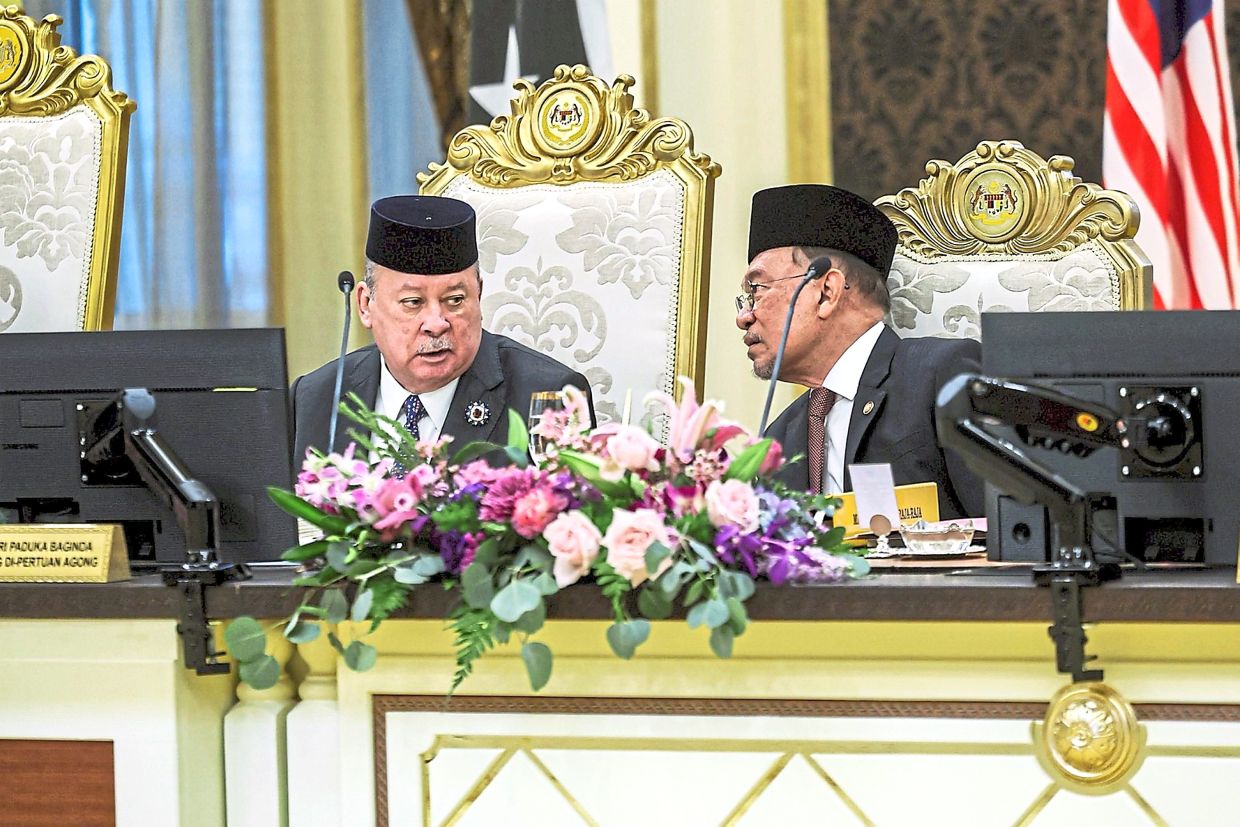
This is because several provisions in the Federal Constitution cannot be amended by Parliament without the consent of the Conference of Rulers.
These include matters concerning Article 153 on the special position of the Malays and bumiputra and the legitimate interests of other communities, Article 152 regarding the sovereignty of Malay as the national language, as well as laws involving state boundaries.
The Conference of Rulers also holds discretionary powers in several important constitutional matters, such as the election or removal of the Yang di-Pertuan Agong and Timbalan Yang di-Pertuan Agong, as well as advising on key constitutional appointments.
Their discretionary powers include the appointment of members to the Special Court under Article 182, and the granting of pardons or sentence remissions under Article 42.
The Yang di-Pertuan Agong, meanwhile, is not formally a member of the Conference but attends meetings as head of state accompanied by the Prime Minister as his adviser.
Historically, the Conference of Rulers traces its origins to the Durbar, a consultative gathering established under the Federated Malay States during British rule.
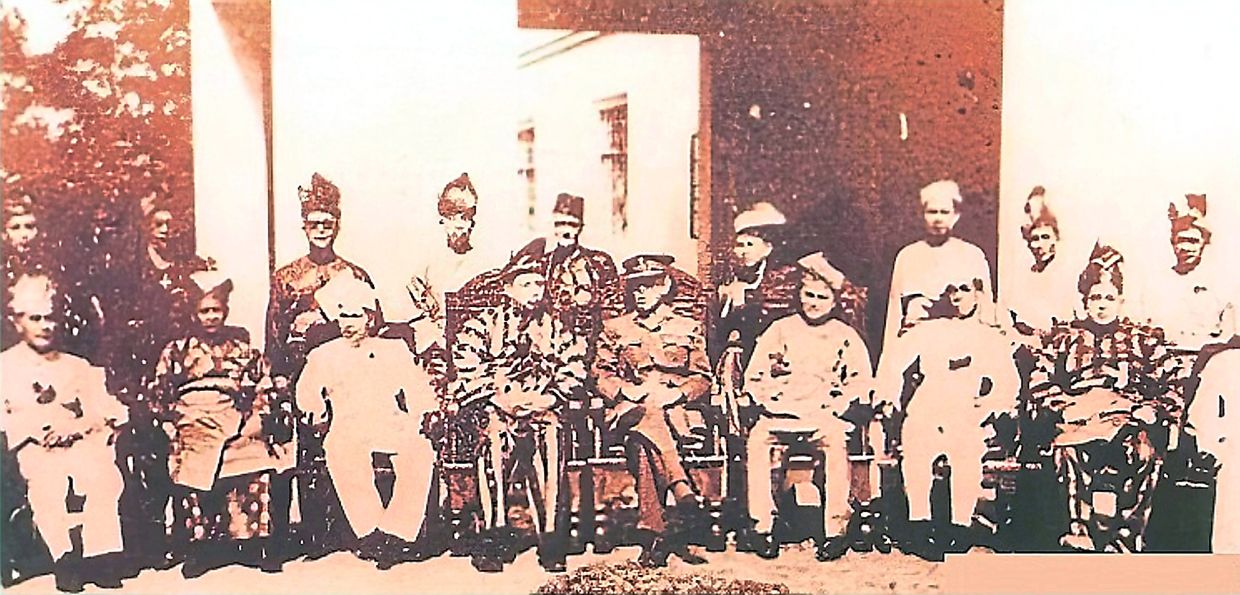
The name Durbar originated from the Urdu-Persian word “darbar”, which refers to a noble court or a gathering held by state rulers, governors or British viceroys.
The first Durbar meeting was held in Kuala Kangsar in 1897 and attended by the Rulers of Perak, Selangor, Negri Sembilan and Pahang, along with British administrators.
The present Conference of Rulers was formally established in 1948 following the formation of the Federation of Malaya, replacing the Durbar.
Its first official meeting was held on Feb 18, 1948, attended by the Rulers of all nine Malay states.
Between 1948 and 1957, the Conference met 50 times and discussed matters affecting the welfare of the Malays as well as the future direction of the country.
Among its notable contributions during that period were the establishment of the Conference of Rulers Higher Education Scholarship Fund in 1949, efforts to limit the influx of labour from China and India, and support for the use of Malay as the official language.
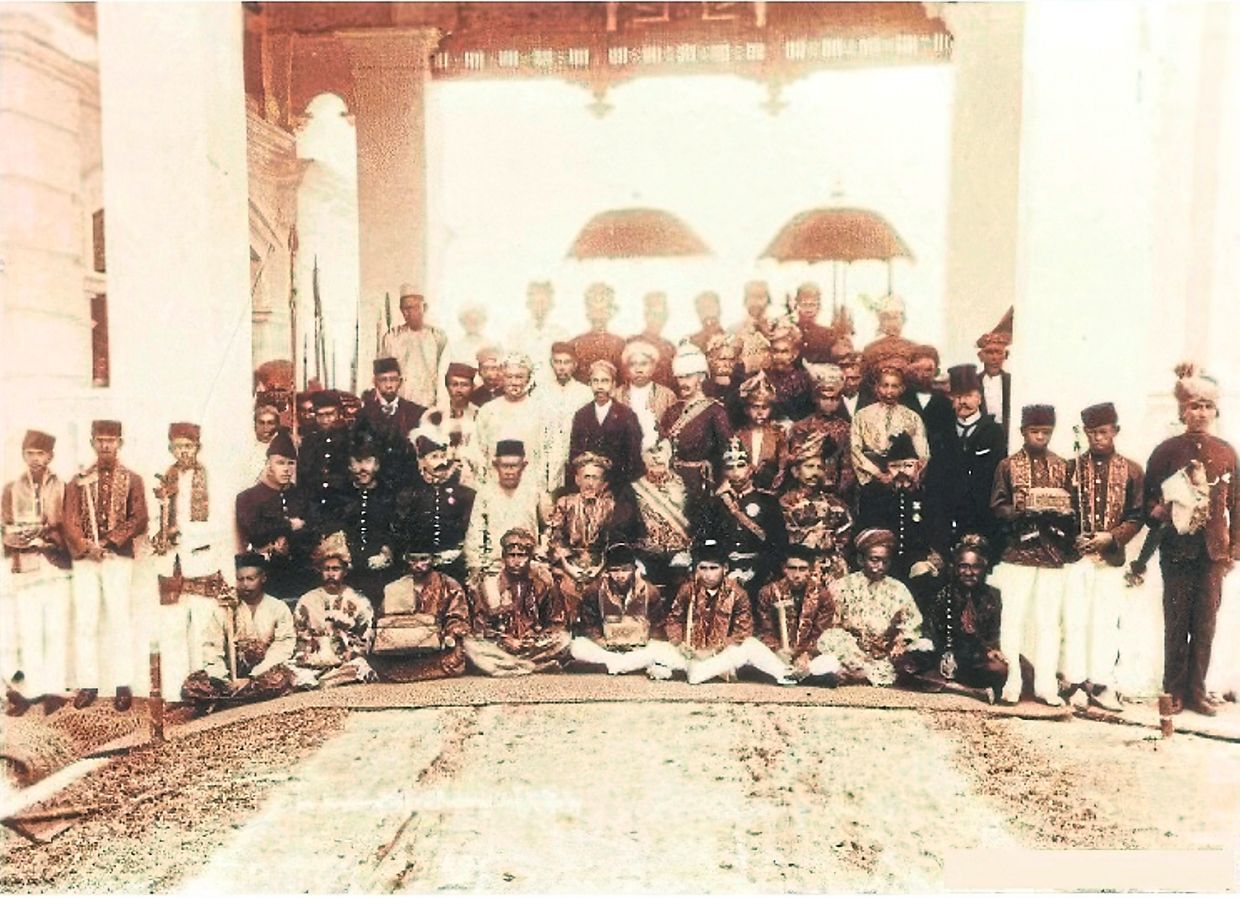
The Conference of Rulers traces its roots to the Malay Sultanate system, particularly the Malacca Sultanate, which shaped palace customs and traditions inherited by later Malay Rulers.
Today, all Malay Rulers and Yang di-Pertua Negeri automatically become members of the Conference of Rulers, with attendance regarded as essential.
Meetings of the Conference of Rulers serve as a platform to discuss problems faced by the states. Since these meetings are held on a strictly confidential basis, members are able to speak frankly but respectfully.
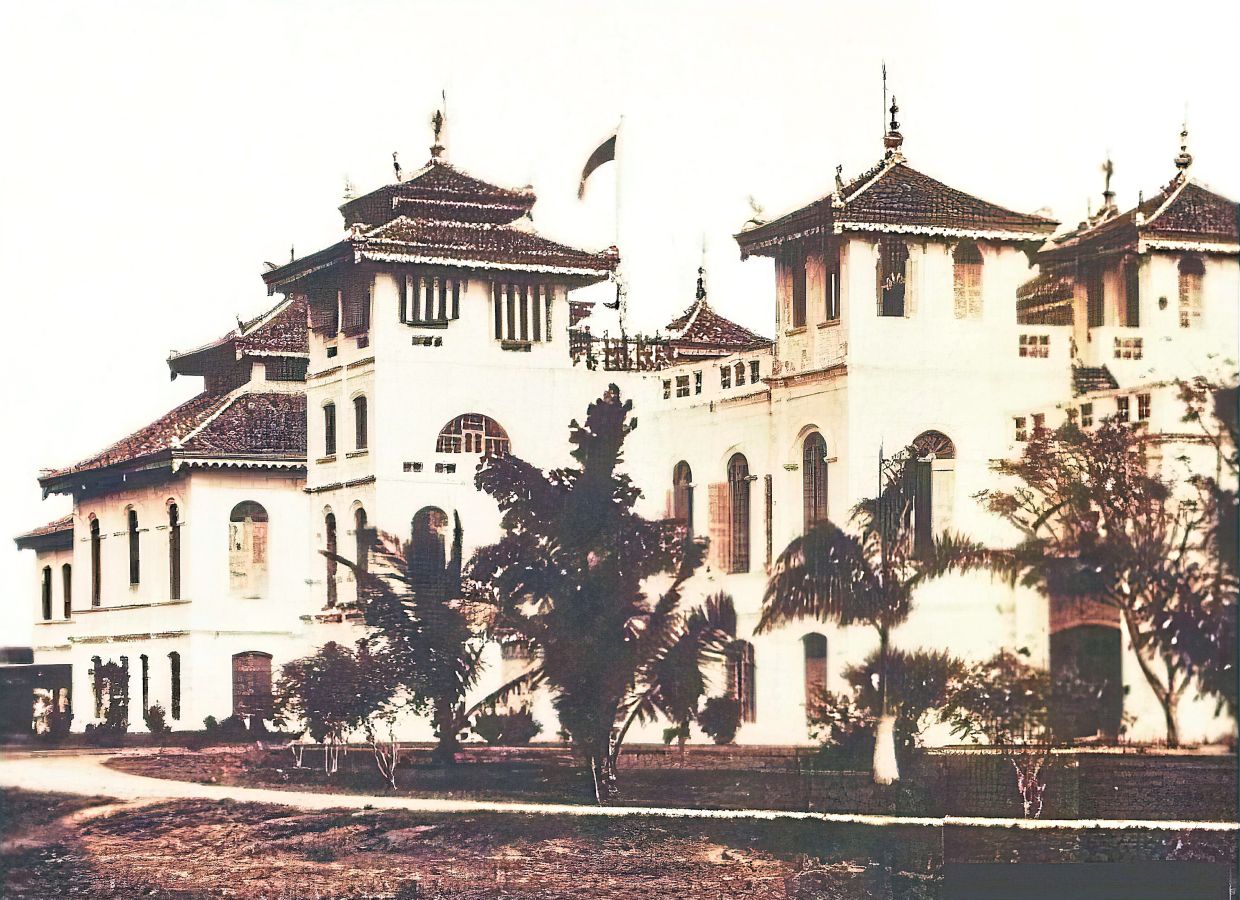
For the Prime Minister, such meetings serve as an important forum to further explain federal policies, including those that have yet to be implemented.
The meetings are also attended by the respective states’ mentris besar and chief ministers.
In the past, issues concerning national security and defence, judicial appointments, Islamic affairs, education welfare, international trade and the proposed ban on vape were among the topics discussed during the meetings.
The Conference remains a symbol of continuity and stability within Malaysia’s constitutional framework, reflecting the enduring role of the monarchy in the nation’s governance and identity.