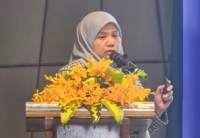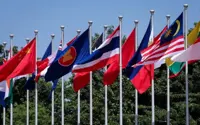
KUALA LUMPUR: Asean risks losing its meaning and purpose as a regional bloc if its centrality is compromised amid growing pressure from major powers, says Datuk Seri Mohamed Khaled Nordin.
The Defence Minister said Asean’s indispensable role had helped keep Southeast Asia peaceful, but warned that the region was now facing mounting pressure from geopolitical rivalries, geoeconomic fragmentation, technological competition and strategic coercion.
“Countries in this region are being pressured, directly or indirectly, to choose sides and recalibrate long-standing strategic positions according to the interests of larger powers,” he said in his speech at the Shangri-La Dialogue in Singapore on Sunday (May 31).
Mohamed Khaled said Asean was not built on coercion, dominance or transactional politics, but on dialogue, consensus, mutual respect and collective responsibility for regional stability.
“The moment its centrality is compromised, regionalism in Southeast Asia will cease to be meaningful and purposeful.
“That would be extremely damaging, not only for Southeast Asia, but also for the wider Asia-Pacific region,” he said.
Mohamed Khaled said smaller nations did not create many of the crises facing the world today, but were often forced to bear the consequences of decisions made by powerful states.
These decisions, he said, often disregarded the very principles such powers claimed to champion.
“That is precisely why, as the Prime Minister of Canada highlighted, the middle powers must come together to restore rationality, predictability and balance to international affairs.
“We must not stay passive while some nations exert their influence to shape and, at times, paralyse multilateral institutions such as the United Nations,” he said.
Mohamed Khaled said countries in the Global Majority may not individually possess the overwhelming influence of major powers.
“But collectively, we have the moral legitimacy and responsibility, not just to defend the rules-based order, but also to strengthen and restore the credibility of the United Nations itself.
“Here in Southeast Asia, Asean has demonstrated how smaller, middle-power nations can cooperate through active engagement and mutual respect, anchored firmly in Asean centrality,” he said.