
KUALA LUMPUR: UEM Group Berhad (UEM Group) and its subsidiaries today recorded over RM5.5bil in procurement spending that was awarded to Bumiputera vendors and suppliers between 2023 and 2025.
During this period, the group’s expressway arm, PLUS Malaysia Berhad (PLUS) and its asset and facility management arm, UEM Edgenta Berhad (UEM Edgenta), allocated 90% and 49% of their respective procurement budgets to Bumiputera businesses.
This commitment has served as a primary growth catalyst for more than 5,000 Bumiputera enterprises, enabling their participation in high-value projects across the infrastructure and engineering-related sectors.
This move by UEM Group, a wholly-owned subsidiary and flagship infrastructure arm of Khazanah Nasional Berhad, ensures that the economic value generated by national development projects remains anchored within the domestic ecosystem, specifically driving the growth and scalability of Bumiputera-owned businesses.
In addition to the procurement spending, UEM Group nurtures Bumiputera vendors through the ongoing implementation of the Bumiputera Vendor Development Programme (VDP) across its subsidiaries, including PLUS, UEM Edgenta, UEM Sunrise Berhad and Cement Industries of Malaysia Berhad (CIMA).
This structured initiative goes beyond merely awarding contracts as it provides comprehensive support in business development, financial management and technical capacity building.
The VDP programme is designed to enhance vendors’ capabilities, equipping them with the necessary technical competencies to compete in an evolving landscape and explore commercial opportunities beyond the UEM Group of Companies.
By integrating Bumiputera empowerment strategies into the core of its operations, UEM Group and its subsidiaries are strengthening Bumiputera economic participation, enabling them to compete on a level playing field, elevating the socio-economic status of the community and translating the Bumiputera Economic Transformation Plan 2035 (PuTERA35) national policy into tangible commercial outcomes.
UEM Group managing director Datuk Amran Hafiz Affifudin noted that the RM5.5bil expenditure represents a fundamental investment in the long-term resilience of the national economy.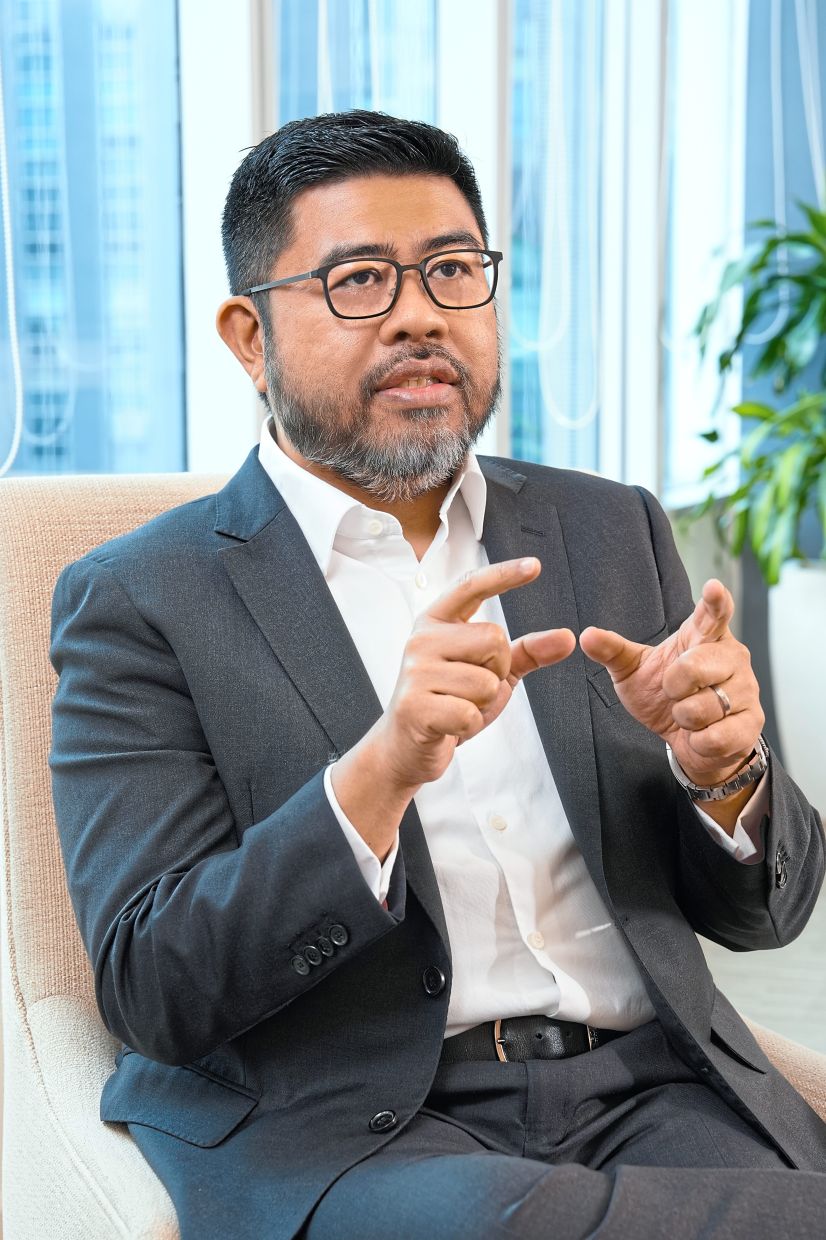
“By integrating over 5,000 Bumiputera vendors into our daily operations – spanning expressway management, asset and facility services, property development and building material supply – we are developing a robust pipeline of skilled and competitive entrepreneurs, which helps de-risk the Malaysian economy.
“As UEM Group continues to grow and undertakes increasingly complex infrastructure projects, it is imperative that our local supply chain matures in tandem to meet these demands.
“This ensures that the dividends of Malaysia’s development are shared equitably, fostering a foundation of self-reliance and excellence that will elevate our local ecosystem and sustain the nation’s economic growth well into the future.”
PuTERA35 serves as a comprehensive action framework aimed at strengthening the Bumiputera economy over the coming decade.
Introduced on Aug 19, 2024, the 11-year roadmap seeks to enhance the economic position of the Bumiputera community by expanding their participation, ownership and control within the national economy.
The initiative is aligned with Prime Minister Datuk Seri Anwar Ibrahim’s wider national priorities, including the Madani Economy agenda and the 2030 Sustainable Development Goals.
Economy Minister Akmal Nasrullah Mohd Nasir noted that the Bumiputera population in Malaysia has grown to approximately 21.8 million people, representing 63.6% of the total population.
This makes the community a central pillar of the country’s demographic landscape and a significant contributor to Malaysia’s workforce strength and long-term economic resilience.
Anwar had earlier underscored the need for ministries and government-linked investment companies to prioritise assessing the effectiveness of high-impact programmes under PuTERA35.
At the inaugural Bumiputera Economic Council meeting he chaired in January this year, he stressed that ministries and GLICs must ensure planned initiatives are well coordinated, mutually reinforcing and free from unnecessary overlap.
He further emphasised that rigorous and ongoing evaluation is essential to prevent complacency, warning against the practice of simply cataloguing completed initiatives without examining their tangible outcomes or identifying areas that require further improvement.