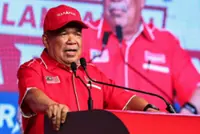
PUTRAJAYA: The government is anticipating a possible increase in food prices in the second half of the year due to the unresolved conflict in the Middle East, says Datuk Seri Mohamad Sabu.
The Agriculture and Food Security Minister said early intervention measures are being intensified to safeguard the country’s food security and supply chain, including expanding the aquaculture sector as a backup protein source.
"Yes (we do anticipate an increase in food prices). As an early intervention measure, we are focusing on aquaculture... in the event of disruptions caused by the conflict," he told a press conference after the launch of the Agro Penjaja-i programme on Wednesday (May 13).
He also said the impact of the global energy crisis has affected shipping, fertiliser and animal feed costs, although there have been no disruptions to shipments.
"Among current concerns is the rising cost of grain corn and soybeans, the main ingredients in chicken feed.
"We cannot be complacent as we do not know how serious this issue could become, especially with the increase in prices of chicken feed ingredients.
"As such, there may be changes in prices. We will monitor the situation closely," he added.
He said Malaysia is still dependent on imports of animal feed grains, including from Brazil and Argentina, while rice is imported from Pakistan, India and Bangladesh.
Mohamad also said the Federal Agricultural Marketing Authority (Fama) is dealing with a surplus of vegetables in several areas.
"Vegetable supply has seen a glut in Cameron Highlands, where farmers have had to intervene by purchasing excess produce or finding solutions, as everything was planted in a sudden surge, leading to oversupply.
"At present, price increases are not yet significant, except in premium or high-end stores," he said.
Mohamad also assured that the country’s rice stock remains sufficient until the end of the year.
"There is no issue regarding stock at the moment," he said.
He added that the government will continue to monitor global developments while strengthening domestic food production capacity to reduce reliance on external sources amid growing geopolitical uncertainties.