
PETALING JAYA: No Malaysians are on board the international cruise ship where a hantavirus outbreak occurred, says the Health Minister.
Datuk Seri Dr Dzulkefly Ahmad (pic) said the country’s authorities are closely monitoring the hantavirus situation.
“This is to ensure the country’s border preparedness and healthcare system remain at the highest level of readiness,” he said.
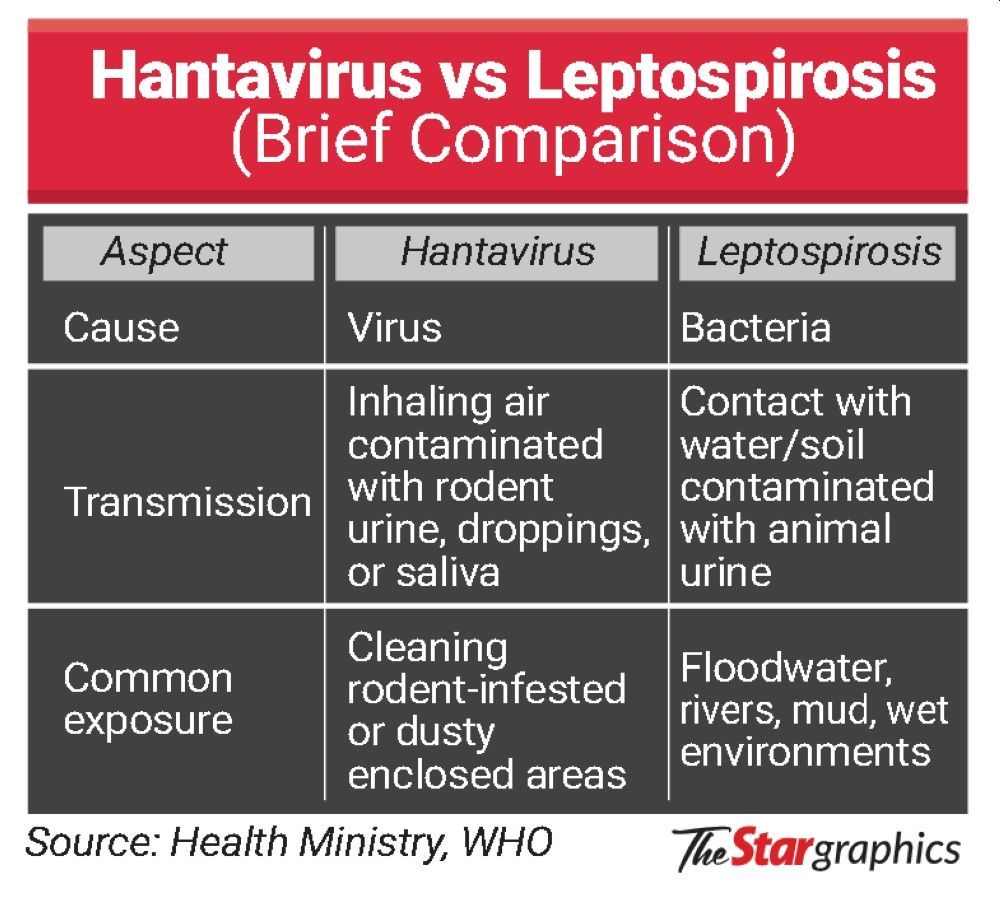
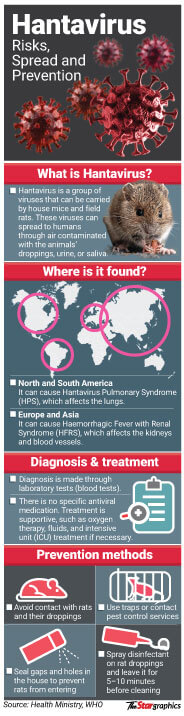
Hantavirus is a rodent-borne virus that spreads to humans through air contaminated by rodent droppings, urine or saliva.
It was reported that three people – a Dutch couple and a German national – have died in the outbreak on the MV Hondius, while eight people are believed to have contracted the virus.
Dzulkefly said that following direct communication between his ministry and Singapore’s health authorities, it has been confirmed that two crew members onboard the ship, who are Singaporean nationals, had tested negative for hantavirus. The World Health Organisation said detailed investigations of the outbreak are ongoing, including further laboratory testing.
Dzulkefly said the infection should not be taken lightly, as its complications can potentially be fatal, with the mortality rate for Hantavirus Pulmonary Syndrome reaching between 30% and 40%.
He added that as there is currently no specific antiviral treatment available, preventive measures and self-protection remain the strongest line of defence.
In a separate statement, the Health Ministry said it is implementing several measures following the outbreak, including strengthening laboratory capacity to conduct confirmatory testing for new strains, including the Andes virus.
It said that at present, the Institute for Medical Research has been conducting confirmatory tests for hantavirus infections, with an average annual request of 20 to 30 samples.
“However, all results to date have been negative for hantavirus,” it said.
The ministry added that it is strengthening surveillance at all international entry points, as well as enhancing the preparedness of healthcare facilities for early detection, notification and case management in the event of suspected cases.
It said that from January to May 2, a total of 22,367 ships and boats were inspected at international entry points nationwide across various major ports.
“The ministry advises the public to avoid direct contact with rats, rat faeces or urine, and to use gloves and masks when cleaning areas contaminated with rat droppings,” it said.