PUTRAJAYA: The use of modified vehicles with hidden fuel tanks and the abuse of fleet cards are among the main tactics used to embezzle subsidised diesel.
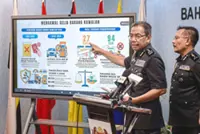
Domestic Trade and Cost of Living Ministry (KPDN) director-general (enforcement) Datuk Azman Adam said additional fuel tanks are being hidden beneath seats, within bonnets and underneath vehicles without the necessary regulatory approval.
Some smaller vehicles have even been modified with tanks far exceeding their original fuel capacity to enable the purchase of larger quantities of subsidised diesel, he added.
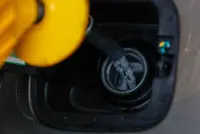
“One tactic involves creating two fuel inlets. At first glance, it appears that fuel is being pumped into the standard tank, but it is actually diverted into a hidden auxiliary tank,” he told a press conference yesterday on the progress of Ops Tiris from 2025 to March this year, Bernama reported.
He said diesel-related offences remain the most prevalent, with 166 cases recorded in just one month under Ops Tiris 4.0, which began on March 16, followed by offences involving petrol and liquefied petroleum gas (LPG).
He said other tactics include the use of covered vehicles to conceal storage tanks and repeated fuel purchases before subsidised diesel is collected and resold to industrial users or smuggling networks.
Azman said the abuse of fleet cards has emerged as a growing trend, with certain parties exploiting the subsidy mechanism to purchase diesel at subsidised rates before reselling it to industries at significantly higher prices.
The substantial price gap between the subsidised fleet card rate of RM2.15 per litre and the industrial market price of RM7-RM8 per litre is the key driver of the illegal activity, he added.
Investigations have shown that those involved include drivers, companies, or both, depending on specific cases.
He cited a recent case in Johor, where KPDN seized eight fleet cards believed to have been used to obtain subsidised diesel for resale to industrial buyers.
“The fleet card facility was introduced to help reduce operating costs in the transport sector, but some parties have abused it for profit,” he noted.
Azman also said KPDN has activated an all-week war room to coordinate enforcement operations in border areas involving six key controlled commodities, namely diesel, petrol, LPG, flour, sugar and cooking oil.
To date, he said the ministry has received 46 complaints relating to these commodities, with public information continuing to play a vital role in enforcement efforts against smuggling and subsidy leakages.
Azman also said the 54th KPDN Enforcement Day celebration, themed “Committed to Meeting Challenges”, would be held in Cyberjaya on April 28.
He said the event aims to recognise the contributions of the KPDN Enforcement Division in combating subsidy leakages, preventing the misappropriation of controlled goods and safeguarding consumer interests.