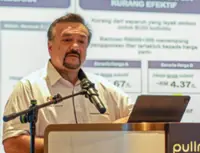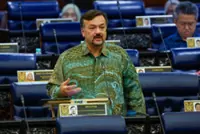
PETALING JAYA: Finance Minister Datuk Seri Amir Hamzah Azizan said Malaysia’s phased fuel subsidy reforms can gain public acceptance if the government plans and manages them carefully.
Amir Hamzah shared his views when attending the World Bank/IMF Spring Meetings panel on his LinkedIn profile on Friday (April 24), that Malaysia’s removal of blanket fuel subsidies required major policy management changes.
“People may not like difficult reforms, but if it’s planned well, conditioned properly and managed in phases, acceptance happens,” he said.
He said the government had recalibrated the subsidy system as part of wider fiscal reforms to strengthen public finances and direct aid to people who need it most. He said the government had presented the subsidy changes as a way to reduce leakages and improve Malaysia’s fiscal position.
“Political will requires social cohesion. This doesn’t mean policies to make people happy and passive.
“It’s about ensuring we can really raise the floor for people and bring them along for growth. That builds collective resilience for the bad times,” said Amir Hamzah.
He said policymakers should not reverse reforms during external shocks. He said crises often test reform plans and that governments should maintain policy direction when conditions worsen.
Amir Hamzah said Malaysia’s wider fiscal consolidation, including deficit reduction in recent years, had improved the government’s capacity to manage volatility from oil price swings and geopolitical tensions. He said recent crises, including the Covid-19 pandemic and global conflicts, showed that governments had to build resilience during stable periods through diversification, buffers and agility.