



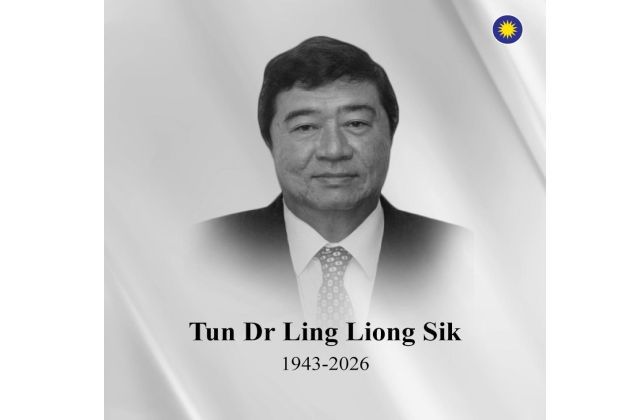
KUALA LUMPUR: MCA's sixth president Tun Dr Ling Liong Sik has passed away on Saturday (April 4) at the age of 82.
Party members are deeply saddened by this news and we wish to extend our heartfelt condolences and sincere sympathies to his family.
Dr Ling was born in 1943 in Kuala Kangsar, Perak.
He received his primary education at King Edward VII School in Taiping, Perak and his secondary education at the Royal Military College in Port Dickson.
In 1961, he pursued his studies at the University of Singapore, graduating with a MBBS medical degree in 1966, after which he practised medicine in Penang.
In early 1969, Dr Ling joined MCA, marking the beginning of his political career.
He once remarked: "Practising medicine is indeed meaningful, but one can only help one person at a time.
In politics, every decision can affect and benefit millions." This reflected his decision to enter politics was driven by a grand vision and aspiration.
In 1970, he represented Penang at the MCA general assembly, where his participation in debating the President's policy speech caught the attention of then-president Tun Tan Siew Sin, leaving a strong impression.
He was subsequently appointed to the Central Committee in 1971 and became Penang MCA secretary in the same year following a reorganisation.
In 1974, Dr Ling contested his first general election under the MCA banner and was elected Member of Parliament for Mata Kuching, Penang.
In 1976, he was appointed parliamentary secretary to the local government and Federal Territories ministry.
He retained his parliamentary seat in 1978 and 1982, and was promoted to deputy finance minister in 1982.
In November 1985, he was elected MCA deputy president.
Following changes in MCA's leadership and a minor Cabinet reshuffle, Dr Ling was appointed transport minister.
On Sept 3, 1986, following the resignation of then-president Tan Koon Swan, Dr Ling assumed the presidency in accordance with the party's constitution.
At that time, the country was facing an economic downturn and political instability, while the party and the Chinese community encountered numerous challenges.
Dr Ling demonstrated exceptional leadership, remaining composed and resolute, employing calm judgement, effective strategies, and decisive action to overcome obstacles and resolve crises faced by both the party and the community.
Among his key efforts were the large-scale recruitment of life members and fundraising initiatives to repay building debts, as well as sustained negotiations with the authorities to secure a ringgit-for-ringgit refund for depositors of 24 cooperatives whose funds had been frozen by Bank Negara.
In addressing the controversy over the appointment of non-Mandarin-speaking senior assistants in Chinese primary schools, which sparked widespread dissatisfaction, Dr Ling directly conveyed the community's concerns to the prime minister and secured a reasonable resolution in line with Barisan Nasional's election manifesto.
While resolving crises, Dr Ling also demonstrated foresight by establishing the Institute of Strategic Analysis and Policy Research (Insap), and formulated the "Malaysian Unity Blueprint" as a guide for future political direction.
Recognising that dissatisfaction within the Chinese community stemmed from the lack of inclusive participation in the formulation of the New Economic Policy, Dr Ling took a firm stand in 1988.
After efforts to secure multi-ethnic participation in post-1990 economic policies met with setbacks, he took six weeks of unpaid leave abroad to signal his opposition to belated consultation.
His resolve drew the attention of the prime minister, leading to the establishment of the National Economic Consultative Council, which enabled representatives from all communities to participate in shaping future national economic policies.
Many proposals put forward by MCA, based on research conducted under the Malaysian Unity Blueprint, were incorporated into the final report and subsequently served as references for the National Development Policy.
Between 1987 and 1988, internal conflict within Umno resulted in the party being declared unlawful by the High Court, rendering then Prime Minister Tun Dr Mahathir Mohamad legally unable to retain his position within Barisan Nasional.
On Feb 16, 1988, at a BN supreme council meeting, Dr Ling received the unanimous support of component parties and was appointed acting chairman.
He presided over the meeting that approved the admission of the newly registered Umno into Barisan, before subsequently returning the chairmanship to Dr Mahathir.
The National Development Policy, which replaced the New Economic Policy after two decades, paved the way for greater openness in the 1990s.
This was followed by the introduction of Vision 2020, marking the beginning of a new phase of policy liberalisation.
Amid this more open environment, many long-standing issues affecting MCA and the Chinese community were effectively resolved through Dr Ling's strategic efforts.
This enabled him to advance MCA's political agenda across multiple sectors, including politics, the economy, culture, education, religion, social welfare and ageing society, with education being the area to which he devoted the greatest attention.
* In 1991, Kojadi established the Institut Jayadiri (now known as VTAR), to provide technical and vocational education opportunities.
* In 1992, approval was secured for the expansion of the main campus and the establishment of Penang and Johor branches, along with government funding of RM20mil (later increased to RM25mil).
Subsequent campuses in Perak, Pahang, and Sabah enabled the institution to provide higher education opportunities to 30,000 students annually.
* In 1993, the Langkawi Project was launched to uplift rural education standards.
* In 1994, RM6mil was raised for independent Chinese secondary schools nationwide.
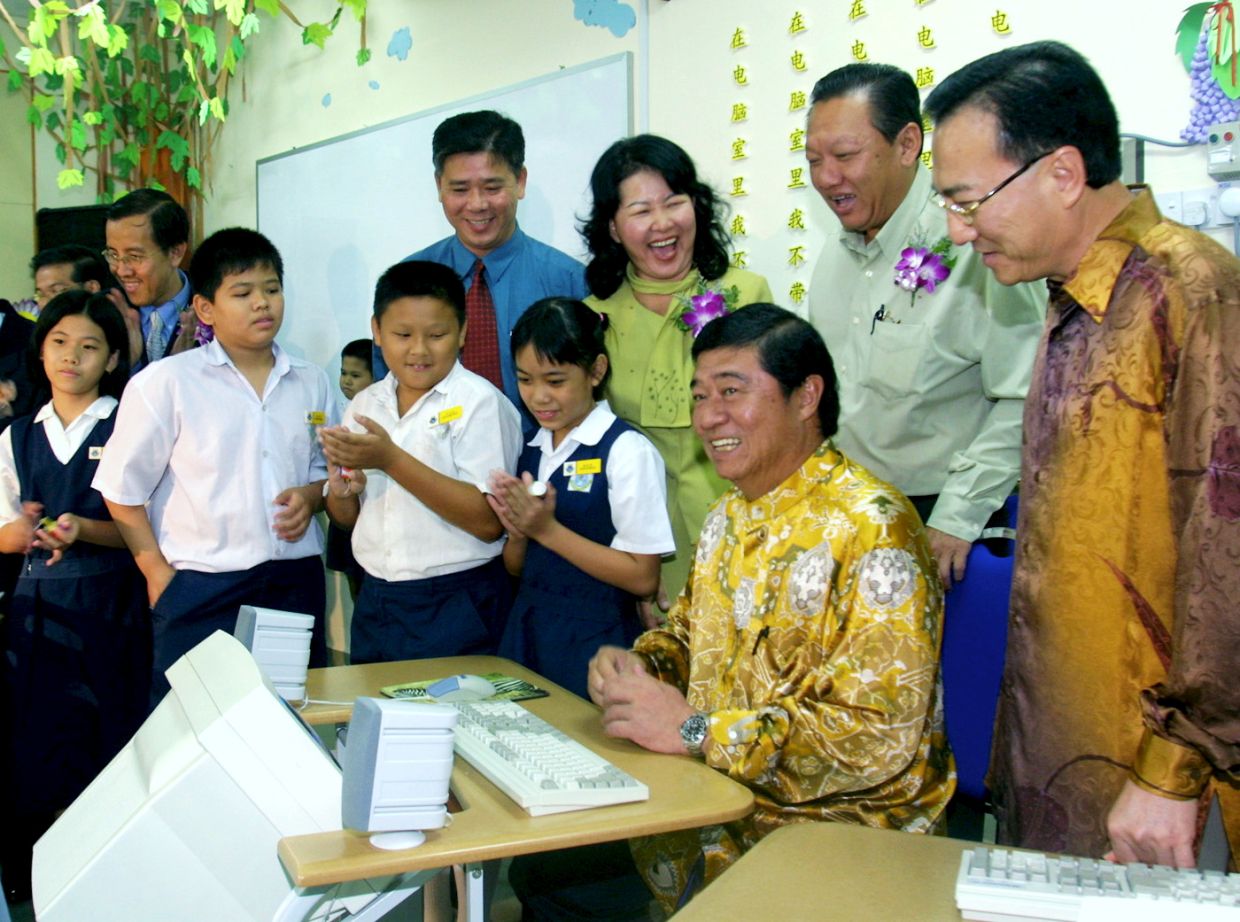
* He promoted the computerisation of Chinese primary schools to prepare students for the information age.
* He was involved in amendments to the Education Act 1995, resulting in the repeal of provisions in the Education Act 1961 that threatened the survival of Chinese primary schools.
During the 1997 Asian Financial Crisis, Dr Ling led MCA and Chinese organisations in convening a joint conference to support the government's economic recovery efforts, while strengthening cooperation between the public and private sectors.
In the 1999 general election, despite political turbulence and Umno's loss of traditional Malay support, MCA under Dr Ling's leadership maintained a performance close to its strong 1995 results.
It also played a crucial role in helping Umno secure narrow victories in several constituencies, enabling Barisan to retain its two-thirds majority.
Under his leadership, MCA achieved commendable results in both the 1995 and 1999 general elections.
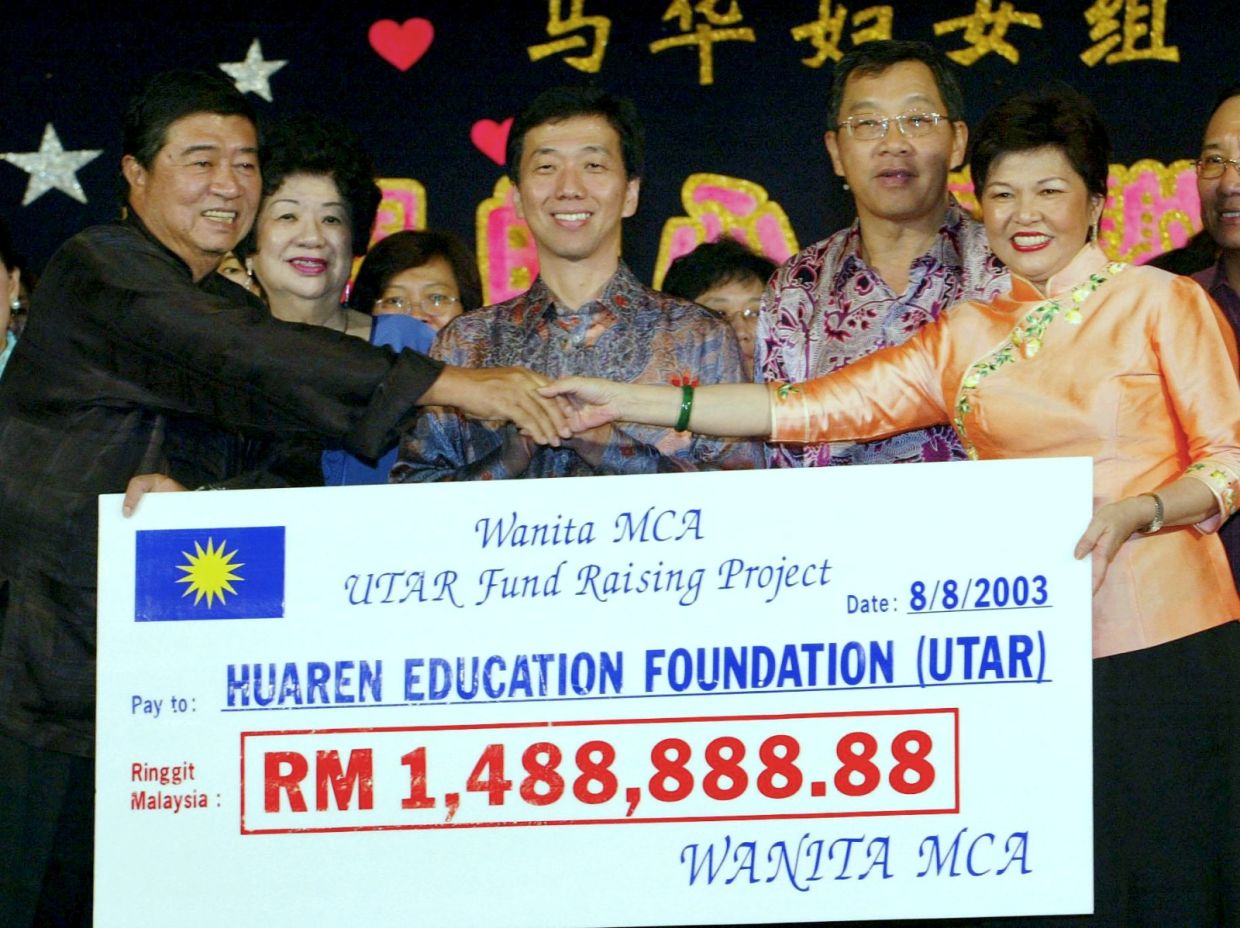
In 2001, the government approved the establishment of Universiti Tunku Abdul Rahman (UTAR), marking another significant milestone in Dr Ling's political career.
In June 2002, then-prime minister Dr Mahathir officiated its launch, fulfilling the long-standing aspiration of the Chinese community to establish a university.
As transport minister, Dr Ling implemented wide-ranging reforms to streamline administrative procedures, enhance efficiency, and modernise the nation's transport system.
His contributions included developing Port Klang into one of the world's top ten ports, upgrading Tanjung Pelepas Port, and overseeing the implementation of major infrastructure projects such as Kuala Lumpur International Airport, the Light Rail Transit system, the Express Rail Link, and double-tracking railway projects.
Both KLIA and Port Klang achieved international standards, bringing pride to the nation.
On May 23, 2003, Dr Ling formally retired from politics, passing the baton to a new generation of leaders.
The MCA central committee conferred upon him the title of "MCA permanent honorary president" in recognition of his immense contributions to the party, the community, and the nation.
Dr Ling remains the longest-serving president in MCA history, leading the party for 17 years.
With unwavering determination and resilience, he guided MCA to numerous achievements, advancing political, economic, cultural, and educational initiatives that earned widespread recognition both domestically and internationally.
After stepping down, he devoted himself fully to the development of UTAR, continuing his lifelong commitment to education.
Dr Ling's immense contributions to the party, the community and the nation will always be remembered.
His steadfast spirit, composed judgement and far-sighted strategies will continue to serve as a model for all MCA leaders and members, and as a guiding light for the party's future.
MCA president Datuk Seri Dr Wee Ka Siong has instructed that the party headquarters fly the flag at half-mast as a mark of mourning.
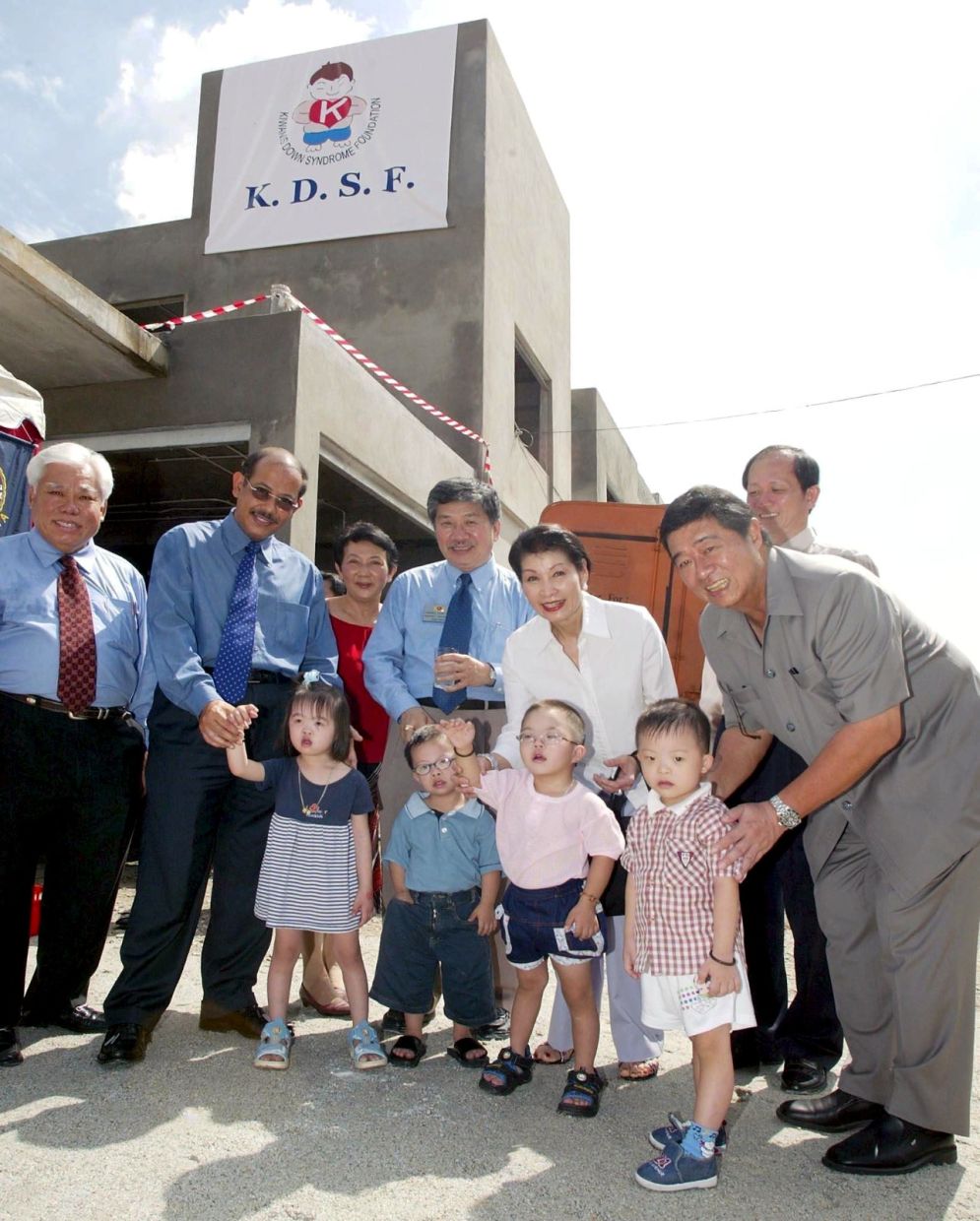
Dr Ling and his wife Datin Seri Ena Ling with children at the new Kiwanis Down Syndrome centre in Taman Sea, Petaling Jaya on Aug 14, 2003. With them are (from left) Kiwanis member Dr Choy Fook On, MPPJ president Datuk Karim Munisar, Kiwanis Malaysia governor Hwang Chia Sing and his wife Phang Chit Looi and director Lee Boon Kim (behind Dr Ling). – SIA HONG KIAU/The Star
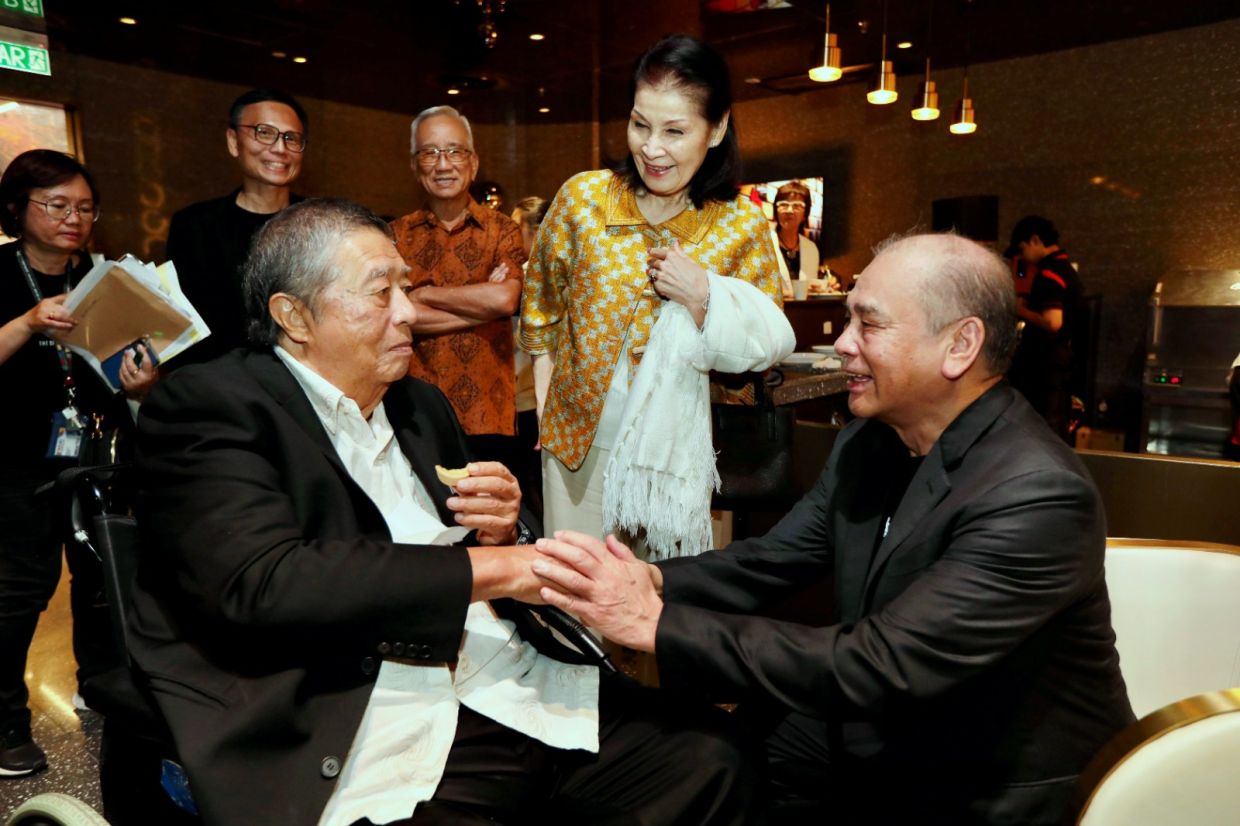
Tan Sri Chan Kong Choy and Dr Ling at the premiere of "The Story of TARCians", a special docudrama about Tunku Abdul Rahman University of Management and Technology. – LOW LAY PHON/The Star
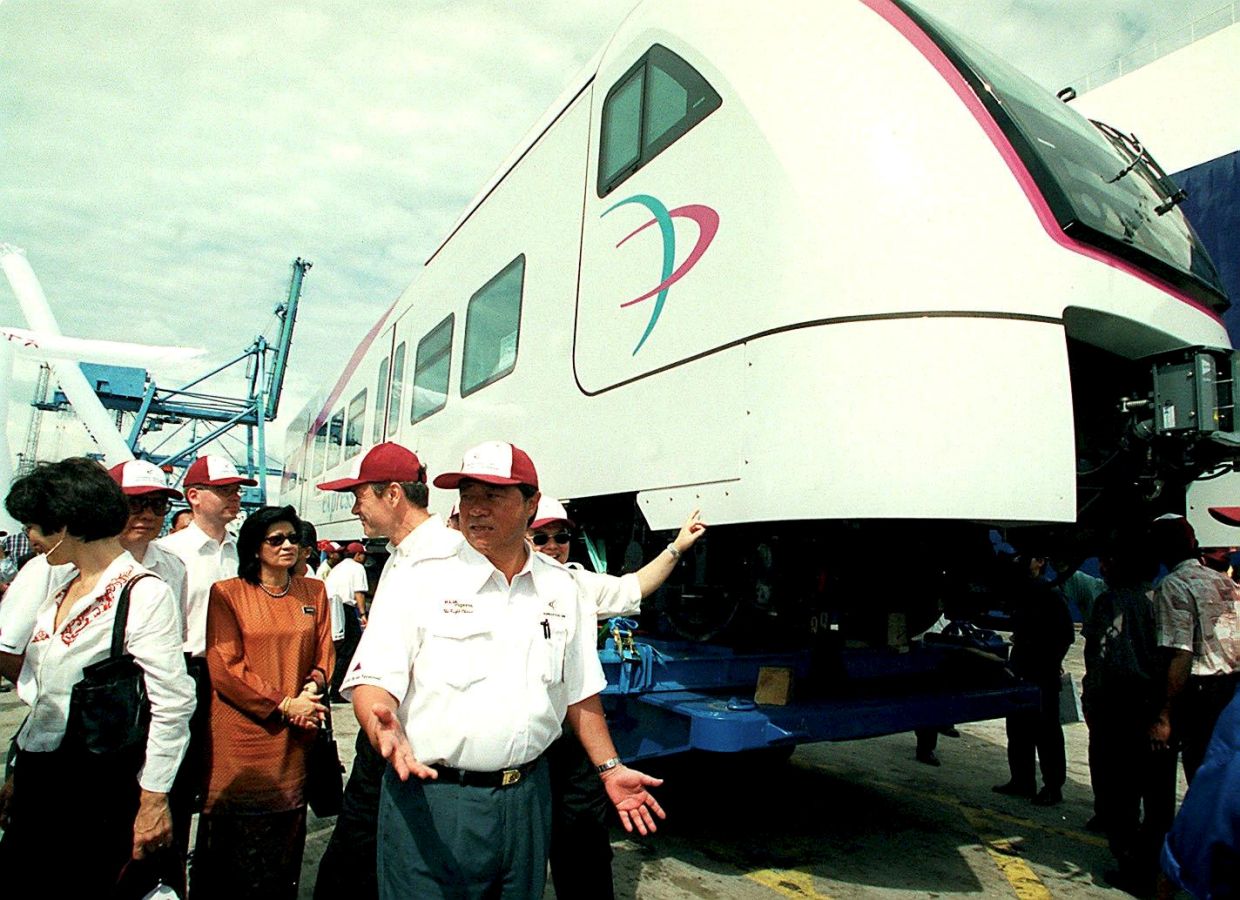
Dr Ling with the first batch of high-speed ERL in West Port. – DARRAN TAN/The Star
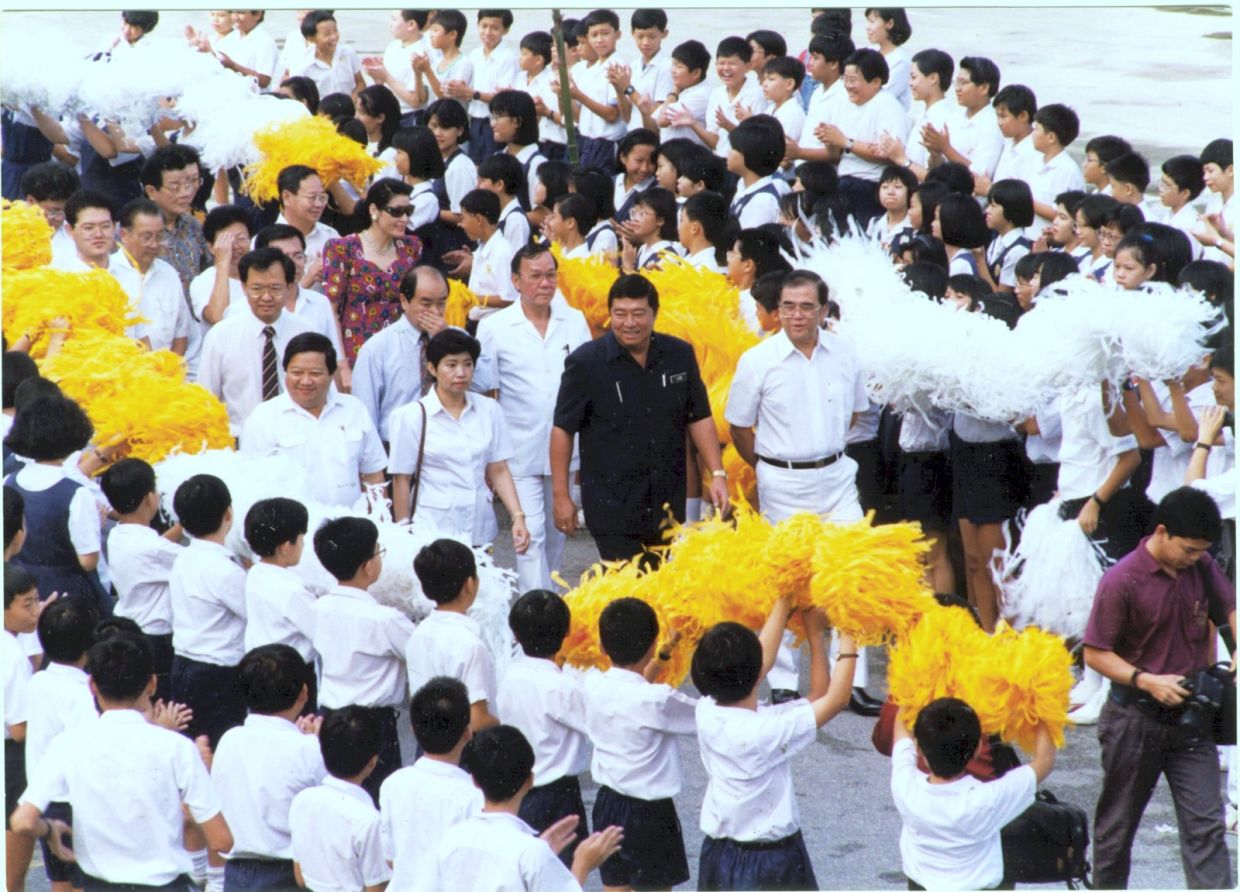
Dr Ling is greeted on arrival at SRJK (C) Naam Kheung Cheras Kuala Lumpur to launch the Vision Screening and the Programme under the Langkawi Project. – UU BAN LEONG/The Star
Dr Ling sharing a light moment with then-deputy education minister Datuk Hon Choon Kim, at the official opening of SJK(C) Tai Tong in Sungai Petani– HN LEONG/The Star
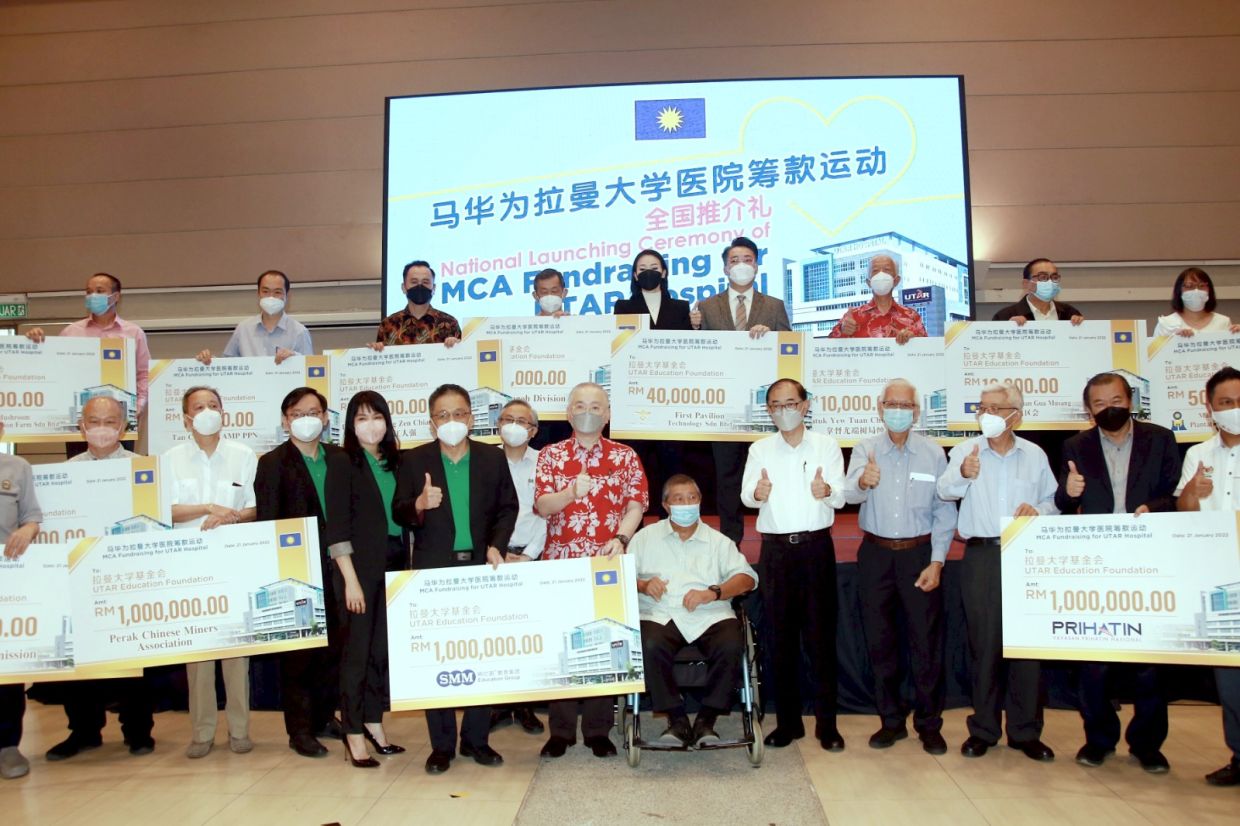
Dr Wee and Dr Ling receving donations for UTAR Hospital on Jan 21, 2022. – RONNIE CHIN/The Star
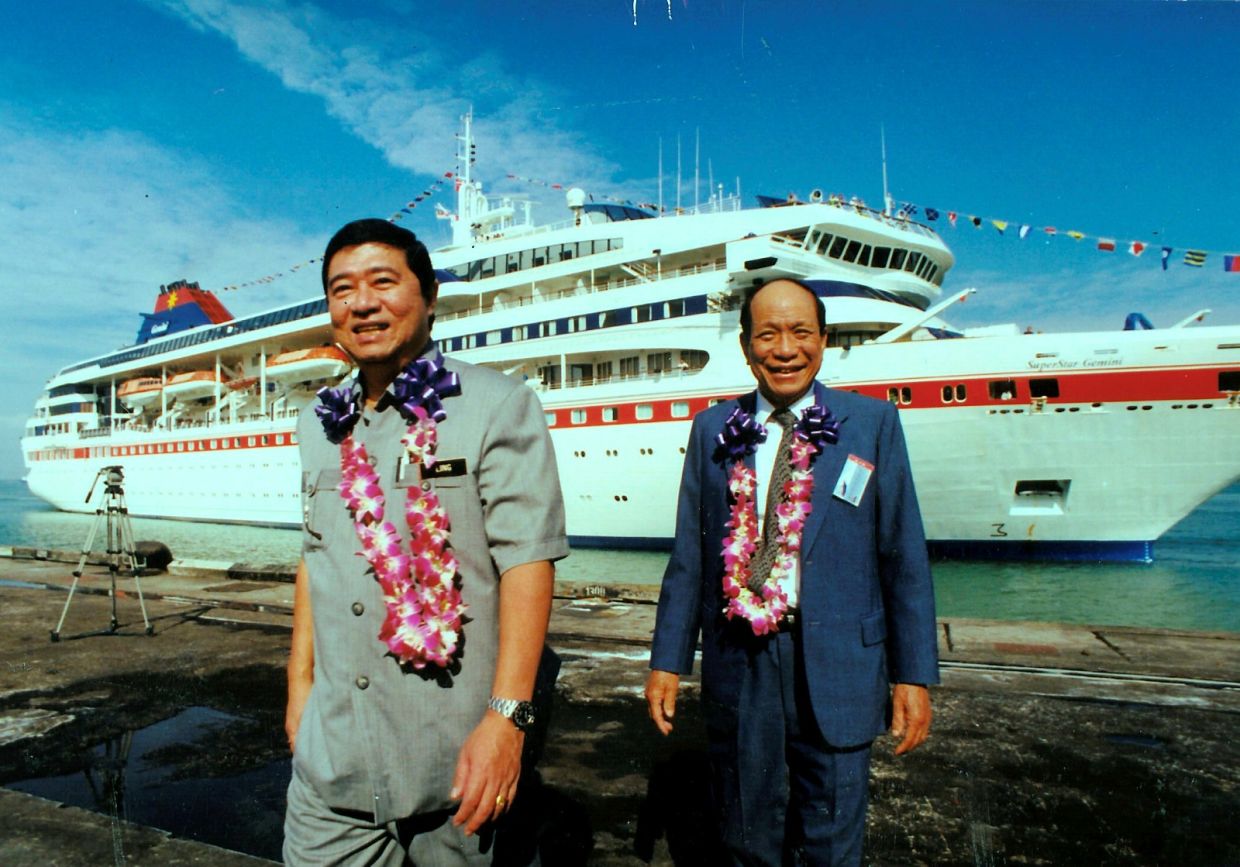
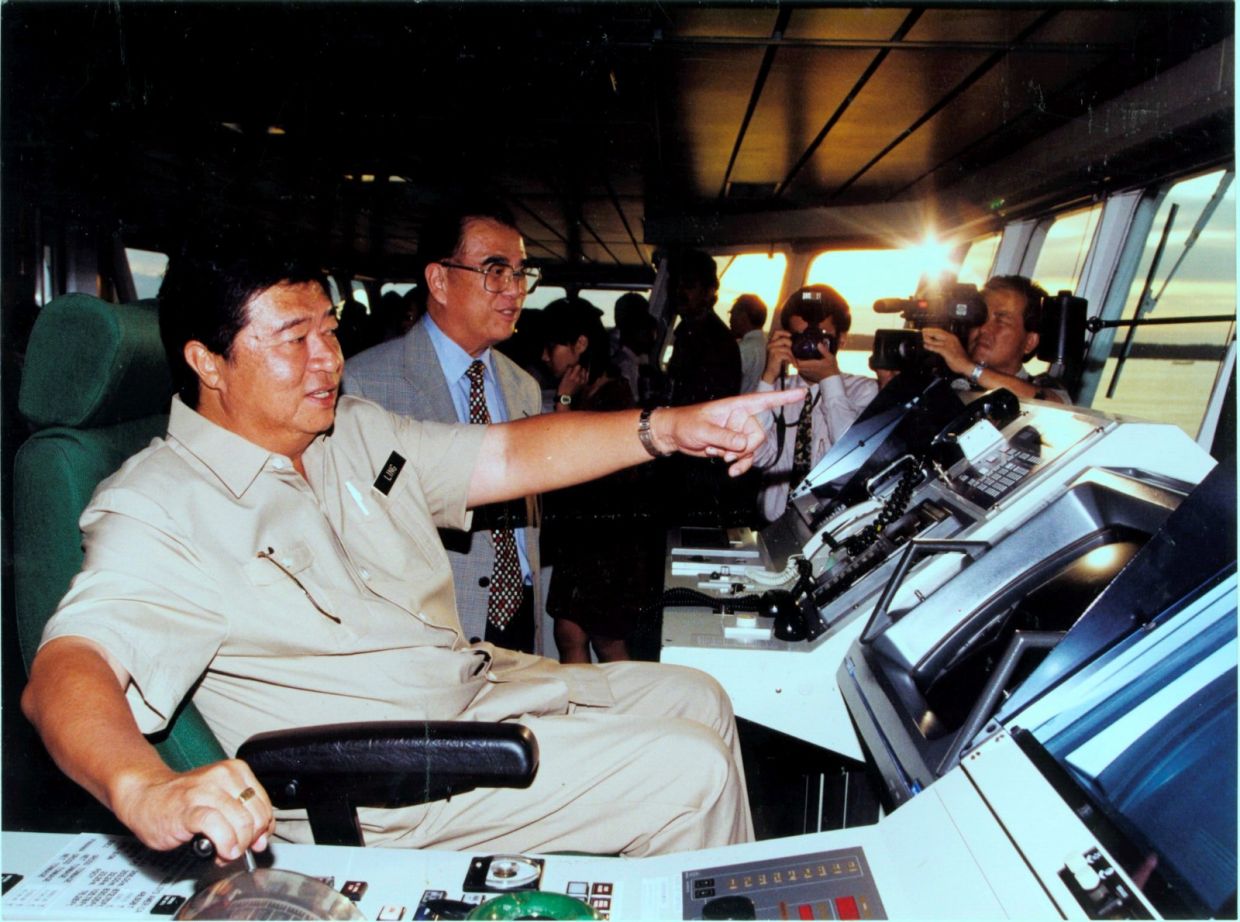
Dr Ling with Tan Sri Lim Goh Tong at Port Klang with the Superstar Gemini cruise liner in the background. – CHUA KOK HWA/The Star
Former Wanita MCA chief Datuk Dr Ng Yen Yen (extreme right) presenting a mock cheque to Dr Ling for the UTAR fund. With them are (from left) Datin Paduka Rosemary Chong, former MCA president Datuk Seri Ong Ka Ting and former MCA vice-president Datuk Fong Chan Onn. – UU BAN LEONG/The Star
Dr Ling at the ship control pit in Port Klang.
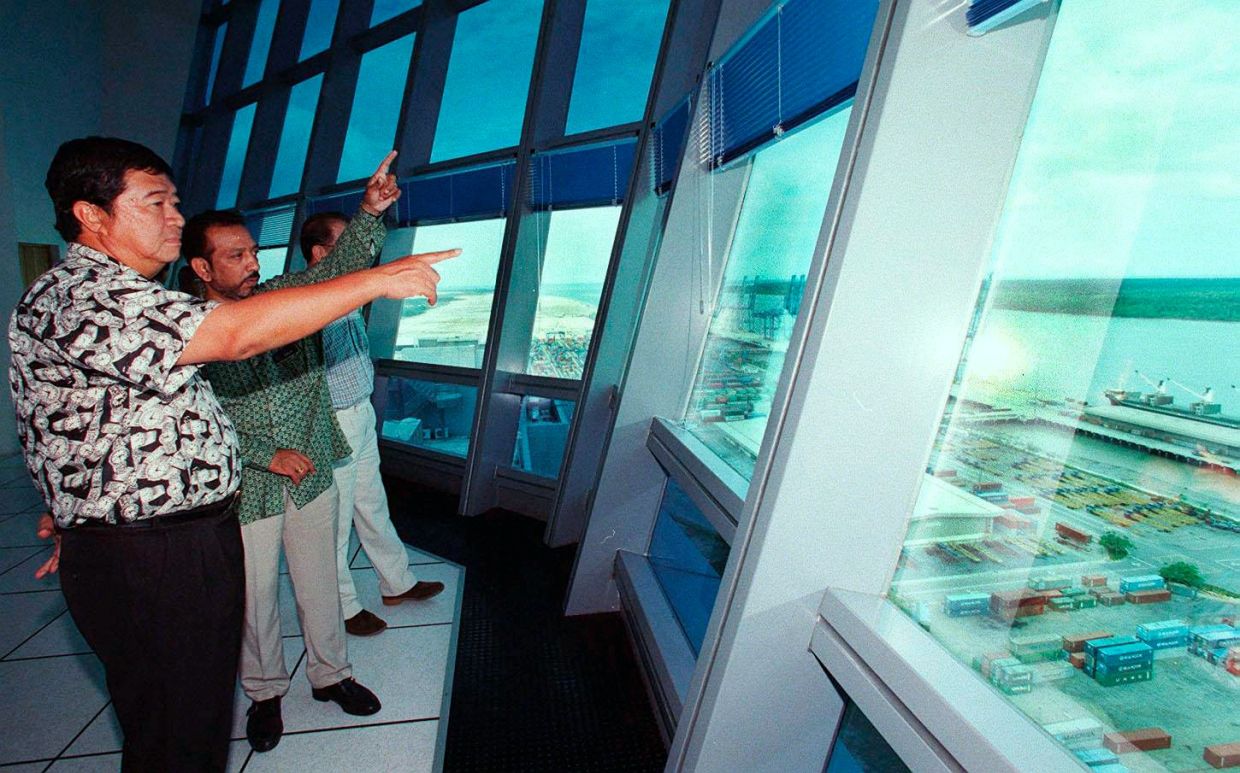
Dr Ling is briefed on port operations by Port Klang assistant general manager V. Balakrishnan at the vessel traffic management centre tower at West Port. – RAJA FAISAL/The Star
