PETALING JAYA: It began with what looked like a routine invitation he had received countless times.
For a Klang-based physician in his 70s who only wanted to be known as Dr Ram, the message aroused no suspicion although it was from an unknown individual.
However, a single tap on a Whatsapp link sent on March 20 was all it took for him lose control over his account.
A scammer impersonating Dr Ram then began reaching out to everyone from his contact list, asking for a loan to tide him over due to an emergency.
Dr Ram said the requests sounded urgent, personal and real, with the scammers providing a bank account (which turned out to be a mule account) to receive the “loans”.
While some friends contacted the real Dr Ram first to verify the situation, several others acted quickly out of genuine concern.
By the time the dust settled, at least eight persons on Dr Ram’s contact list had transferred between RM1,500 and RM3,000 each, with losses totalling about RM15,000.
“The scammers contacted my friends here as well as those overseas. The requests for cash were even made in different currencies, depending on where my friends were.
“The scammers even asked for more from those who paid, but most stopped when their suspicions were aroused,” he told The Star.
With the help of family members, Dr Ram promptly alerted all those on his contact list before lodging a police report.
“Later, I found out that the WhatsApp accounts of several of my friends were also hacked. In view of this, I wish to urge the public to be cautious when they receive calls or messages from unknown numbers.”
Just two days earlier, a similar scam had played out for retired newsman G. Umakanthan.
“I was in the midst of a phone call with a friend via WhatsApp when our conversation was interrupted by another caller. All I know is he claimed to be from India, but I could not make out what he was saying,” the 74-year-old said.
“Moments later, I was locked out of my own account.”
Soon after, dozens of people on his contact list began receiving messages, purportedly from him, asking for loans.
“Fortunately, none of them fell for the ruse. However, I am still unable to access my WhatsApp account,” he said, adding that he is now considering changing his phone number altogether.
While such phishing tactics have been reported by the dozens over the past years, it had re-emerged in the recent months with scammers often targeting victims in their golden years.
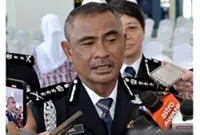
The federal police Commercial Crime Investigation Department (CCID) had warned the public that hyperlinks or clickbaits from unknown sources should be treated with suspicion as they could be hacking attempts.
CCID director Comm Datuk Rusdi Mohd Isa said such messages should be promptly deleted, or be diligently verified prior to clicking on them.
He also advised the public not to share their personal details with unverified callers, and to regularly change the passwords for their social media accounts or digital devices.
The Star has reached out to the Malaysian Communications and Multimedia Commission to ascertain if such cases are on the rise.