PETALING JAYA: When the skies turned red exactly a year ago, Sri Maha Kaliamman Temple adviser R. Maickavasagam woke up to a scene straight out of a disaster film.
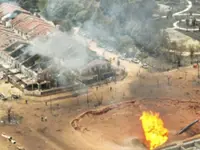
Just 60m away from the temple gates, a massive gas pipeline explosion had turned the neighbourhood into an inferno.
The heat was unbearable and the streets were suddenly filled with panicked residents and terrified animals running for their lives.
Without a second thought, the temple committee threw open its doors.
ALSO READ:
- Safety review urged a year after gas pipeline explosion
- Putra Heights blast still seared into firefighters’ memory
“I had never seen a fire blast that high. The temperature spiked instantly, and people were running to save their lives,” recalled Maickavasagam, a resident of Putra Heights since 2002.
“Three people came running up to us, shouting for help. They had bad burns. We immediately invited them in,” he said.
“Our temple operates on a 24-hour service principle – if you knock on our door and ask for help, we will help. We are human beings, and we help our fellow human beings.”
What began as an immediate reflex to offer shelter quickly evolved into a massive, month-long grassroots relief operation.
Because the temple was situated just opposite the blast zone, it became ground zero for emergency response.
Within hours, the temple grounds were transformed into a makeshift medical base.
“It was extremely hot, and many victims had fainted or suffered burns. So we allocated space for volunteer doctors and nurses to treat patients immediately.
“Only the most serious cases were sent to the Serdang and Klang hospitals,” Maickavasagam said, adding that the Civil Defence Force and medical teams from University Hospital and Sunway Medical Centre also came to assist.
But the relief effort wasn’t just for humans.
The explosion had scattered hundreds of household pets and stray animals.
In the chaos, dogs, cats, mice and even two pet snakes left behind by fleeing owners found refuge at the temple.
The veterinary community’s response, Maickavasagam noted, was one of the most unforgettable aspects of the tragedy.
“Pet associations and clinics from the surrounding areas sent their experts,” he said, adding that veterinarians and nurses volunteered to treat the animals free of charge, with some continuing to provide care for months after the incident.
“Even today, a kind-hearted veterinarian continues to send food for the stray animals at the temple.”
For four weeks, the temple served as a temporary home for displaced residents.
Malaysians from all walks of life – including Buddhist associations, shopping malls and ordinary citizens, sent lorries filled with groceries, blankets and pillows.
“We saw Malays, Chinese, Indians and foreign workers all receiving aid together. Everyone treated the issue as their own,” he said.
Reflecting on the current climate of racial and religious rhetoric played up by certain quarters, Maickavasagam dismissed them as the noise of a minority.
“We have lived together for over 65 years. I feel we don’t have to worry about a small group of people playing up 3R (race, religion, royalty) issues,” he said.
“When you see Malaysians coming together like this, it is truly touching. It proves we are still very much one Malaysia.”
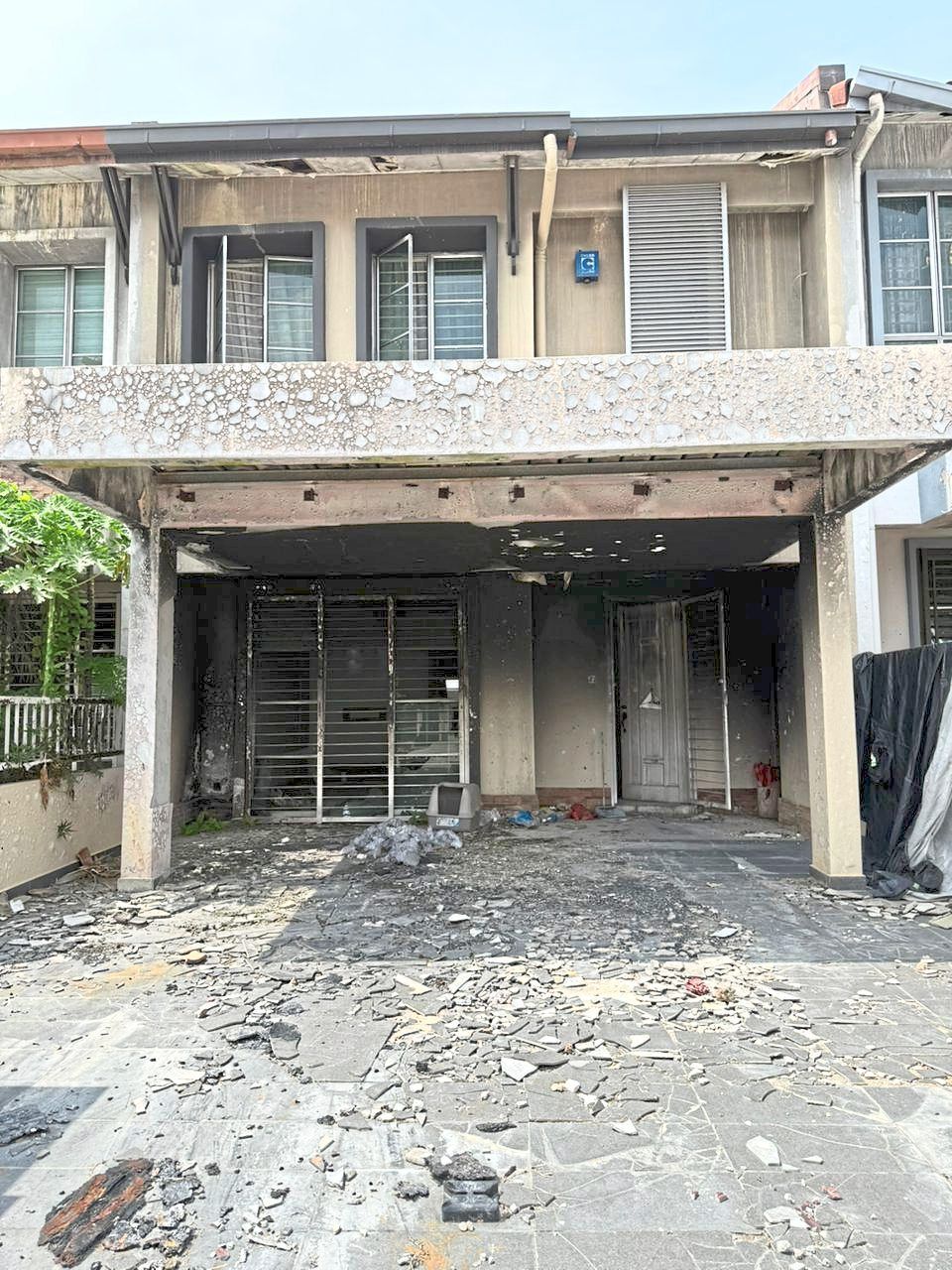
However, the scars of the tragedy remain visible.
A year later, the site is still being cleared, and the rebuilding process has been painfully slow for residents whose lives were upended.
“Every day, people come to look from the outside, hoping they can rebuild as soon as possible. It is heartbreaking because for many, that was their dream home,” he said.
“Some had just refinanced, some had just completed renovations, and others had just bought their houses on the sub-sale market.”
Moving forward, Maickavasagam said he hopes the authorities have learnt a hard lesson about urban planning, with residential areas should not be allowed to be beside gas pipelines, and vice versa, with strict enforcement so that this incident does not recur.