PUTRAJAYA: Malaysia’s food supply remains stable despite escalating tensions between Iran and the United States as most imports are sourced from other regions, says Agriculture and Food Security Minister Mohamad Sabu.
The Agriculture and Food Security Minister said the ongoing Middle East conflict has not yet affected Malaysia’s food security, with most key imports coming from other Asean nations, as well as India, Pakistan, Australia, New Zealand, Brazil and Argentina.
"In that region (the Middle East), our involvement is mostly in exports, especially to Dubai and nearby countries.
"So far, our food security has not been affected," he told reporters after attending the Ihya Ramadan programme with Prime Minister Datuk Seri Anwar Ibrahim and the ministry's staff here on Thursday (Feb 5).
Iran's closure of the Strait of Hormuz has sent shock waves across global energy markets.
Located between Oman and Iran, the strait functions as a vital artery for the global oil trade.
However, Mohamad, popularly known as Mat Sabu, warned that the conflict's duration remains uncertain.
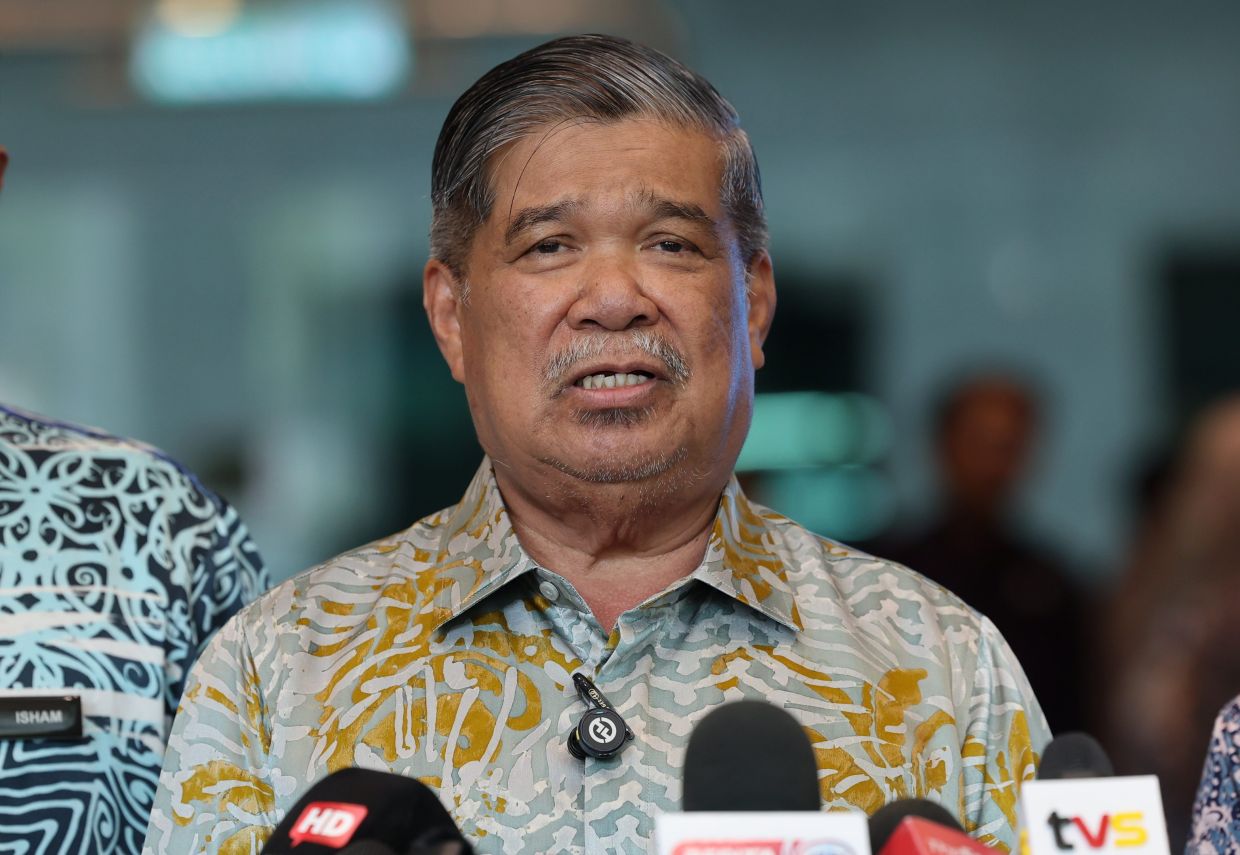
"If it becomes prolonged and oil prices increase, it could push up the cost of imported goods," he added.
He said that essential food items Malaysians depend on are not significantly affected at the moment because the countries in the conflict area, especially around the Gulf, are not our major food suppliers.
He added that the government has a mitigation plan if the situation worsens.
Regarding the possible increase in oil prices, he believed the Finance and Economy Ministries would provide input on the matter.
"For now, fertiliser prices also have not been affected because, as I mentioned earlier, we do not obtain those materials from the countries involved in the conflict," he said.
In terms of rice supply, Mat Sabu said there are buffer stocks with enough supply for five months.
"If we include the stock available in retail shops, the total supply would be enough for about seven months," he added.
The Ihya Ramadan programme is a ministry initiative to strengthen worship and foster spiritual values in the workplace throughout Ramadan.
It began with the Prime Minister attending a meeting with the ministry's top management to discuss its direction and key agenda.
Matters discussed included governance and administration issues in the agro-food sector, and infrastructure development to support the five-season padi planting programme within two years.
The meeting also touched on the implementation of Jualan Agro Madani and the organisation of Maha 2026.
The Prime Minister also attended a tazkirah session before performing Zohor prayers.