
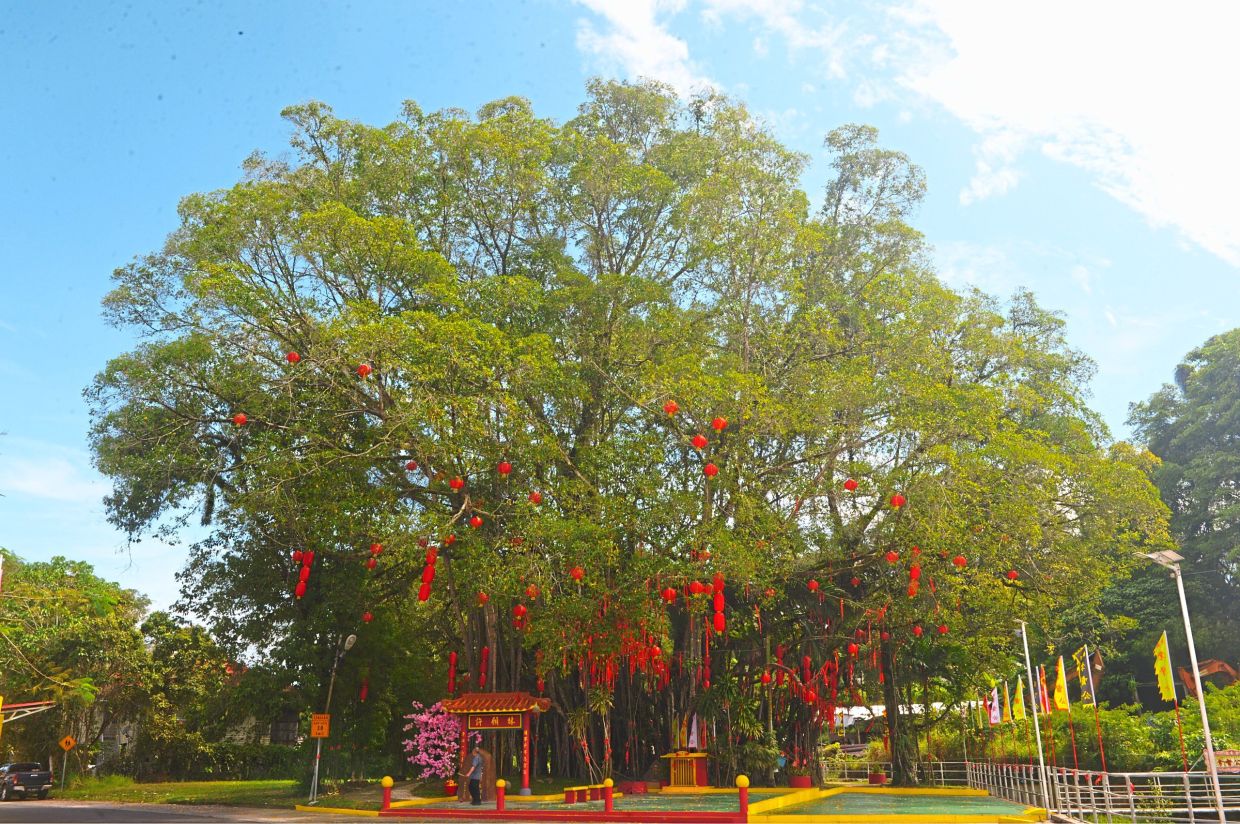
AT the edge of a quiet grove within Tham Kung Temple in Sandakan, a century-old tree now glows in vibrant red.
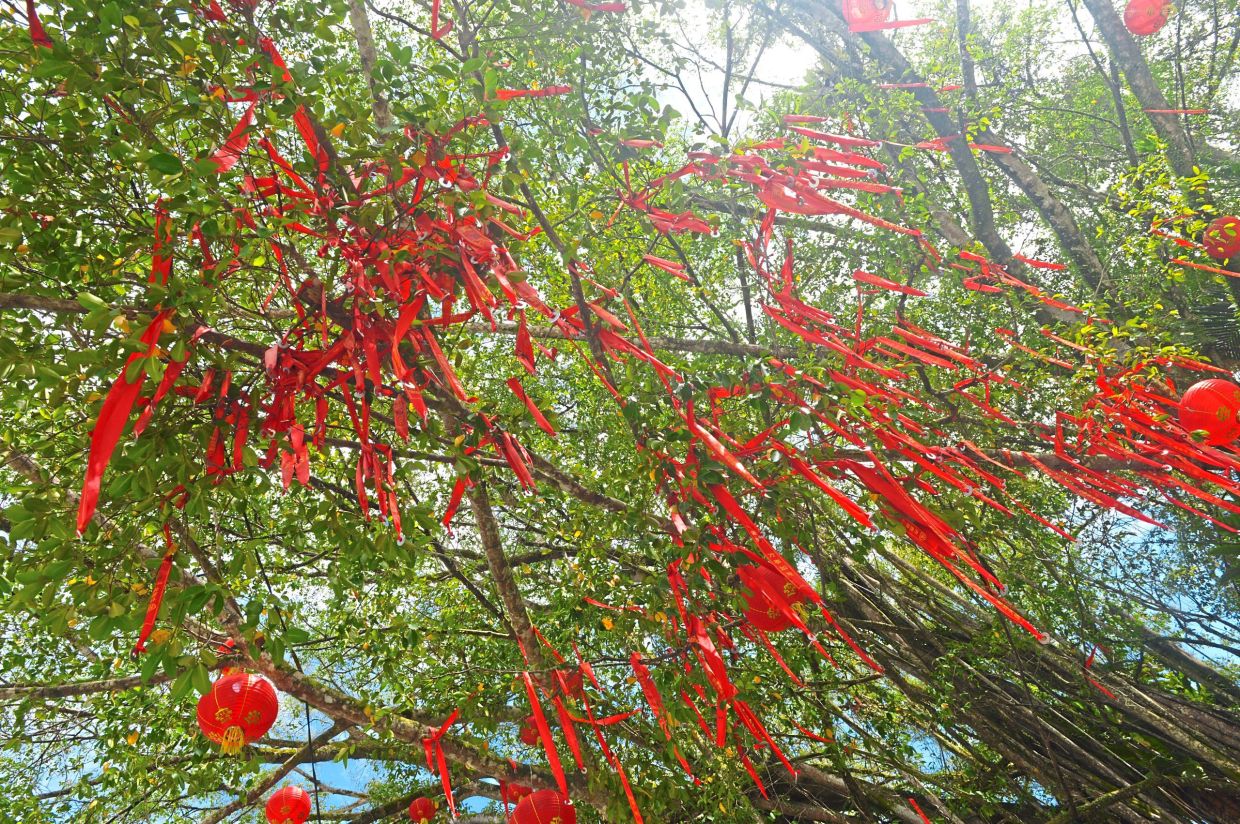
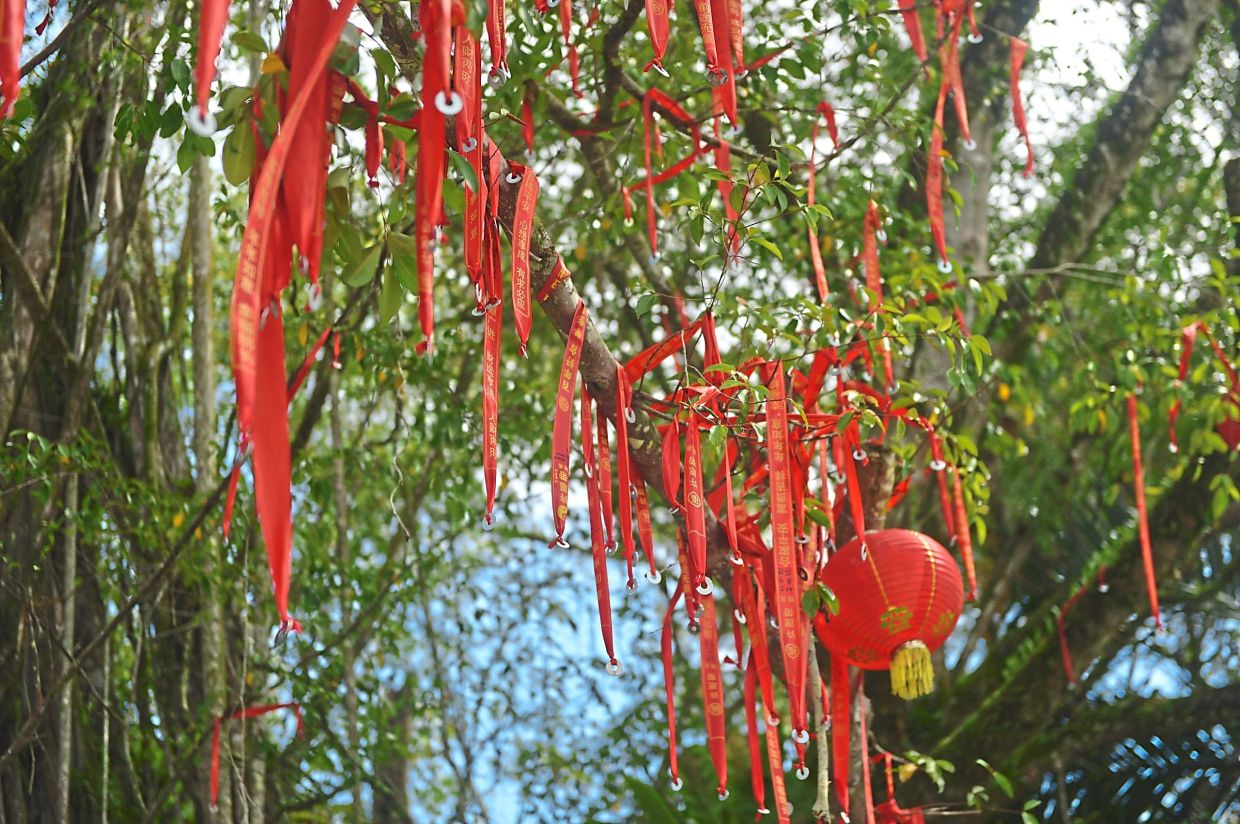
Hundreds of wishing ribbons flutter from its branches, each carrying handwritten hopes for health, success, love and family well-being.
What began nearly a decade ago as a simple idea has grown into one of Sandakan’s most cherished Chinese New Year traditions, transforming an ancient tree into a living symbol of collective hope.
For many returning home during the festive season, a visit to the Wishing Tree has become as essential as reunion dinners and temple prayers.
From fruit offerings to colourful wishes
Temple chairman Chok Yen Li said Chinese New Year, especially the first day, draws the largest crowds.
“This is when we see the most people because everyone wants to start the new year by making a wish and praying for blessings,” she said.
The ritual has evolved over time. In the past, devotees tossed fruits tied with strings onto the branches, hoping they would catch as a sign of good fortune.
“Later we changed it to colourful wishing ribbons. Now, people write their wishes on them and throw them onto the tree. It’s cleaner, lasts longer and has become one of our main photo spots,” she said.
What was once a simple offering has turned the grove into a striking sea of red, a colour symbolising luck, prosperity and renewal.
A tradition growing with each generation
Among this year’s visitors was Sandakan resident Shirlen Wong, who brings her children to the Wishing Tree annually.
“We buy a wishing set from the temple, light incense and make our wishes. Sometimes we just pass by and see others doing it, so we follow too. It doesn’t really matter which day of the New Year you come,” she said.
For Wong, what began as a casual visit has become a family ritual. “The children mainly come to run around and have fun, but it’s good to let them know about this tradition. They always wish for simple things like doing well in school and staying healthy,” she added.
In moments like these, the Wishing Tree becomes more than a spiritual symbol – it is a bridge between generations, quietly passing culture and belief from parent to child.
Guarded by belief, rooted in history
The magic of the Wishing Tree is not only in its ribbons. Temple deputy chairman Chang Boon Hang said the area has long been believed to be protected by a local deity, Datuk Gong, a guardian spirit linked to the early days of the temple’s construction in 1894.
Even in recent years, unusual incidents reinforced this belief. In 2020, when a contractor attempted to build a drain near the tree, the machinery repeatedly failed to start despite being new and in working condition.
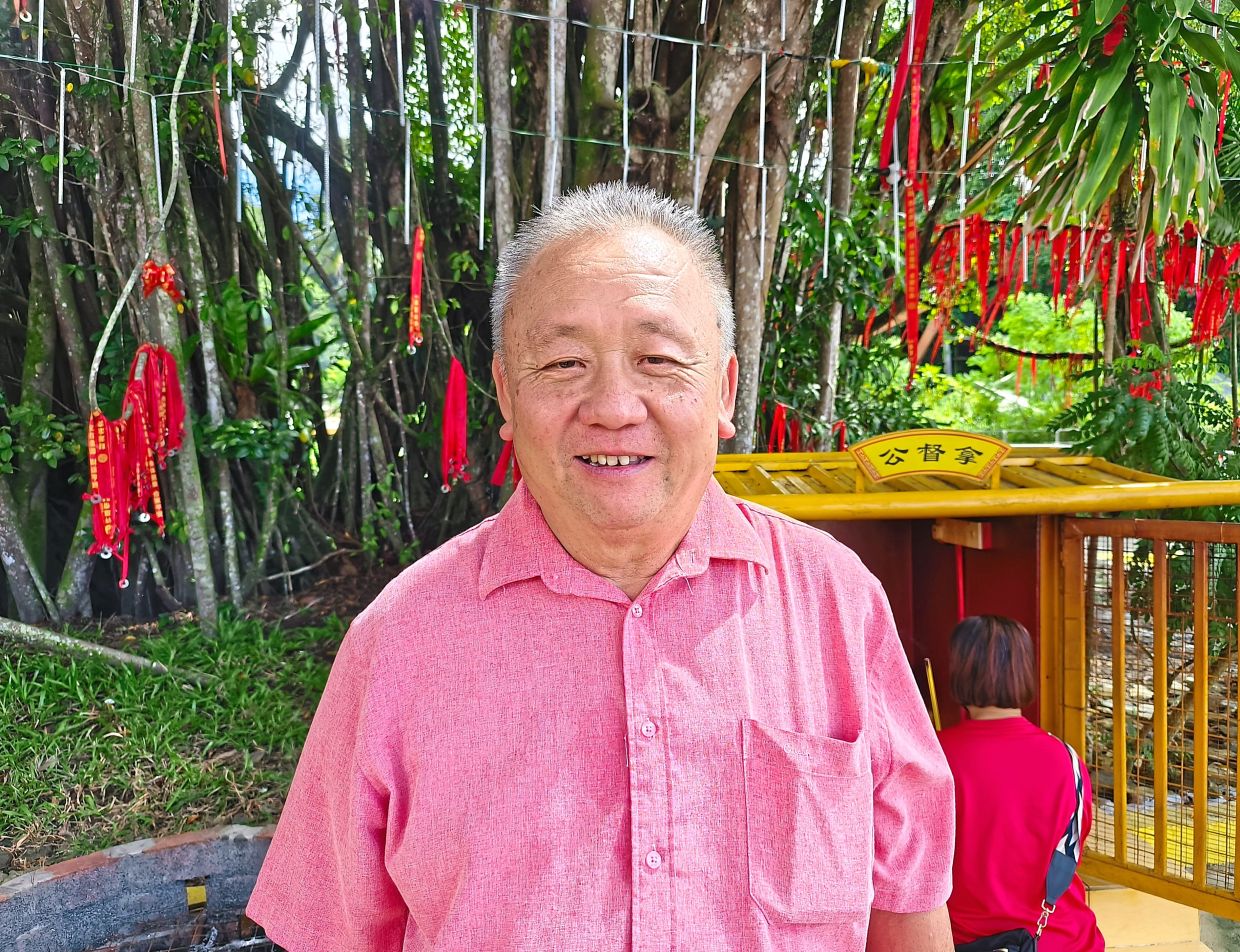
“It was only after prayers were offered to Datuk Gong that the work could continue smoothly,” Chang said.
Development of the wishing grove began a few years later, with the entrance arch completed recently. The tree itself is believed to be well over a hundred years old.
Visitors now make wishes for health, family harmony, career success and prosperity. Many return later in the year to give thanks when their hopes are fulfilled, and some make donations to help maintain the temple grounds.
Where hope takes root
As sunlight filters through layers of fluttering ribbons, laughter echoes through the grove. Some pause quietly in prayer, others capture photos, while children weave between branches heavy with dreams.
The Wishing Tree’s magic lies not simply in belief, but in how a community gathers around hope itself.
Each ribbon carries a private wish, yet together they form a shared celebration of renewal, resilience and faith.
In a fast-moving world, this simple ritual beneath an ancient tree offers a rare moment to pause, reflect and believe in new beginnings.
With every Chinese New Year, Sandakan’s Wishing Tree grows richer – not just in colour, but in stories, tradition and the enduring power of hope.