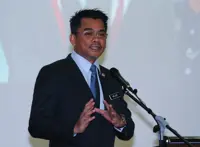
FOR Sarawak’s seafarers, the ocean is more than a workplace – it is a heritage, a classroom, and a proving ground.
On one hand is Captain Ting Chong Pan, a third-generation merchant navy captain whose family legacy steered him from uncertain beginnings to commanding vessels across the world’s oceans. On the other is James Ho, a marine training director shaping the next generation of local seafarers, bridging tradition with modern technology.
Together, their stories reveal the discipline, resilience and pride that define life at sea.
Carrying a family legacy
For Captain Ting, the call of the sea is a legacy passed down through generations.
The 44-year-old represents the third generation of his family in the merchant navy, following in the footsteps of his grandfather, who delivered Sibu’s first metal vessel when wooden ships were the norm. Initially sceptical that a massive metal structure could float, he overcame his doubts through experience and successfully navigated the vessel.
“That story taught me the most valuable lesson of the sea – nothing is impossible,” Ting said.
His father, also a seaman, reinforced this determination.
But Ting’s path wasn’t straightforward. After secondary school, he took various jobs – labouring in cold storage, painting in shipyards, handling shipping paperwork – and even rejected university offers.
A call from his uncle about cadet recruitment became his first step into the merchant navy.
The journey was demanding, but Ting’s family legacy kept him motivated.
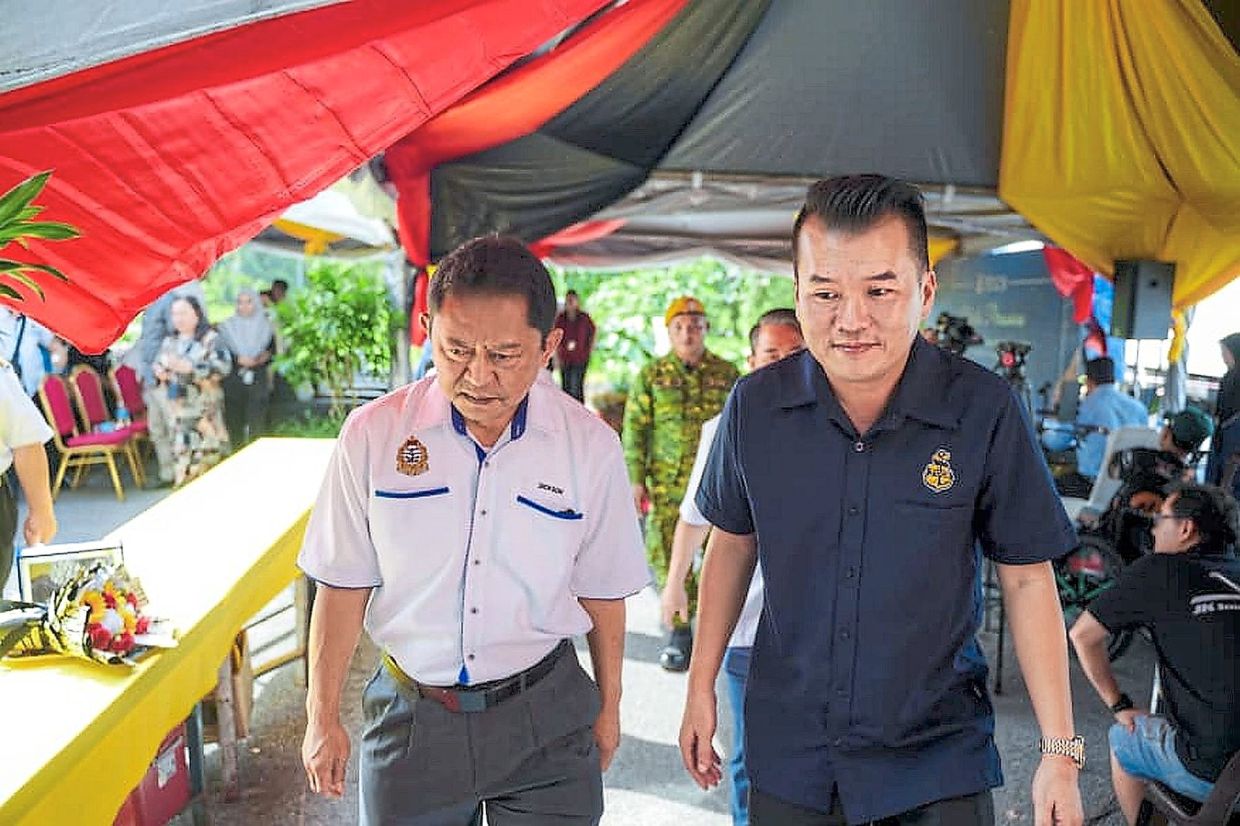
In 2004, he obtained a Certificate of Competency for vessels of 3,000 gross tonnage or more for unlimited trade voyages.
Starting as a third officer, he spent more than two decades sailing across the Pacific, Indian and Atlantic Oceans on LNG carriers, container ships and offshore vessels.
In January 2020, he assumed command as master.
“Standing on that bridge as captain was more than a promotion – it honoured my family’s support and my grandfather’s memory,” he said.
Life at sea is demanding and “the vessel becomes a second home,” Ting said, where strict hierarchy coexists with a deep sense of brotherhood.
But prolonged separation from family is hardest. He recalled missing the last chance to speak to his father before his passing in 2015 and being unable to return home during the Covid-19 pandemic while his wife was seriously ill.
Modern ships provide Wi-Fi for video calls, yet Ting said technology cannot replace physical presence.
“The simple warmth of a hug from my children is something a video call will never replace,” he added.
He has faced storms and emergencies, including a 2009 typhoon near Hong Kong that forced the vessel into open waters as the crew braced for the worst, and a 2010 medical evacuation from a crew member injured mid-ocean between Canada and Italy.
Even so, he recalls unforgettable beauty, such as a winter voyage across the Bering Sea, where snow-covered islands rose from a calm ocean.
“This career didn’t just educate me – it built my character,” he said. “It taught responsibility, resilience and gratitude.”
He views seafarers as an “invisible thread” connecting global supply chains and everyday life.
After more than 20 years at sea, Ting is considering a new chapter as a marine instructor, sharing experience beyond textbooks.
“Being a seafarer is more than a job – it is my life and my greatest source of pride,” he said.
Guiding the next generation
While Ting embodies maritime tradition, James Ho is shaping the future.
As a director at marine training institute TCCS Marine Sdn Bhd, he focuses on uplifting local seafarers through training and professional development.
“Many experienced seafarers have strong practical skills but face challenges upgrading qualifications due to limited training, finances and fast-moving technology,” Ho said. “They have the skills and determination, but lack guidance.”
To address this, TCCS invested in bridge simulators, providing realistic scenario-based learning.
Most trainees come from small towns, coastal villages, and rural communities, often becoming the first in their families to join the maritime industry.
“Going to sea was never just a career choice – it was a decision to change their family’s future,” Ho said.
Upgrading qualifications is not easy. It often means financial burden and less shore leave.
Yet many choose training over rest to secure better futures.
Ho stresses that the maritime sector has changed, with digital navigation, automation and stricter safety and environmental regulations.
“Experience alone is no longer enough. Continuous training ensures seafarers remain competent and confident,” he said.
Ho finds fulfilment in witnessing personal growth.
“When trainees first walk into the classroom, some are unsure of themselves. Weeks later, you see their confidence grow. That transformation is what makes maritime training meaningful.”
Former trainees often return with promotions or to show their children where they studied.
Ho hopes Sarawak’s next generation of seafarers will be globally competitive, known for discipline, resilience and integrity.
“I hope every trainee leaves not just with a certificate, but with the confidence to navigate their career and life with pride,” he said.
Together, Ting and Ho represent the continuity of Sarawak’s maritime legacy: one grounded in family tradition, the other in education and modern skill-building. From open oceans to simulated bridges, their stories illuminate the challenges, rewards, and enduring pride of life at sea.