Proposal aims to tackle urban decay and keep pace with development
KUALA LUMPUR: The proposed Urban Renewal Act (URA) is ready to be retabled in Parliament this week, says Housing and Local Government Minister Nga Kor Ming.
He said his ministry is fully prepared to bring the Bill forward for a second reading, pending the Leader of the House, who is the Prime Minister, scheduling a time in the Dewan Rakyat.
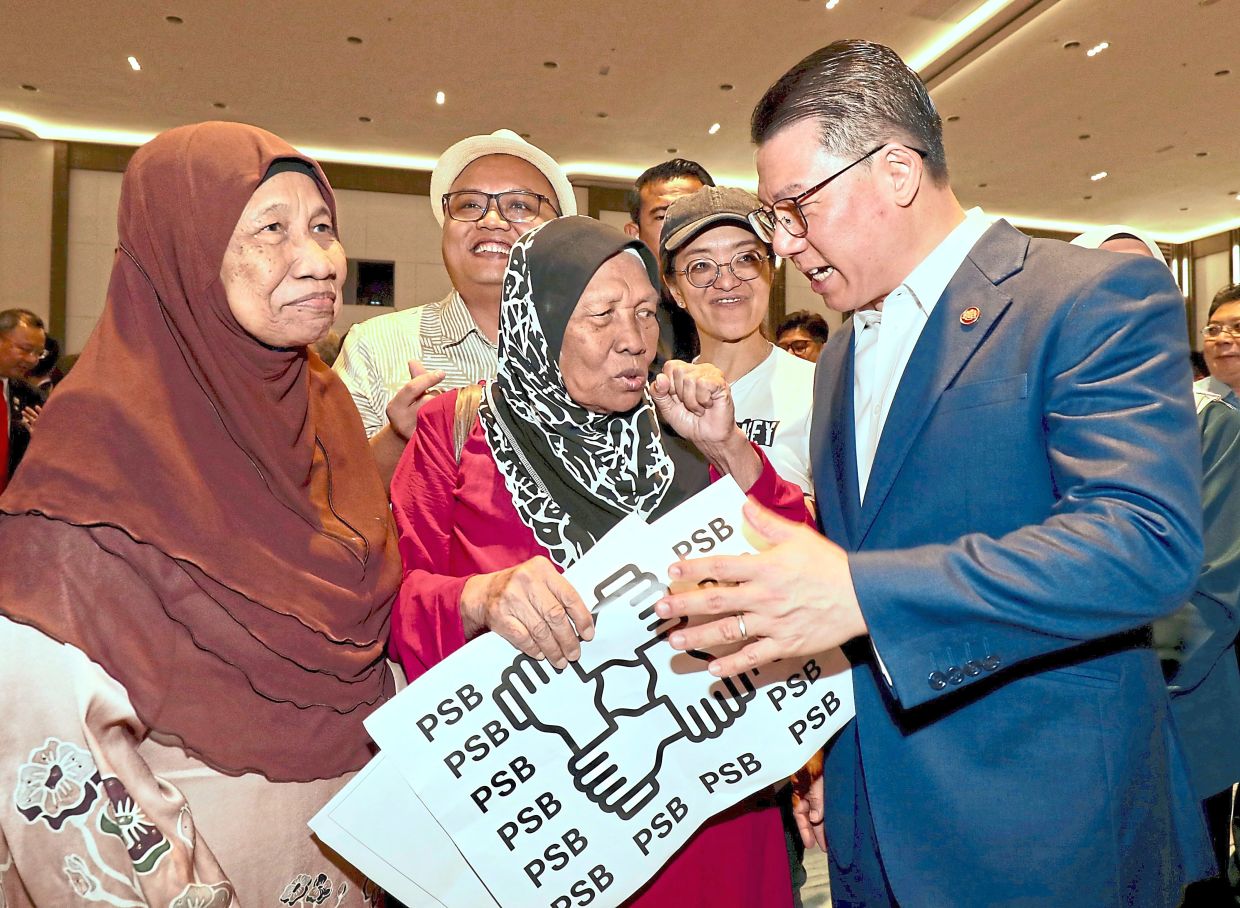
Nga said this while attending a dialogue on urban renewal here yesterday. In his speech, he stressed that Malaysia needs a specific urban renewal law to keep pace with rapid urbanisation.
Without it, he warned, the country risks creating “double- standard urban areas” where older, dilapidated and unsafe buildings lag behind rapidly developing zones.
“We are lagging behind several countries, including our neighbours, in urban renewal.
“Japan’s Urban Renewal Act, South Korea’s Urban Regeneration Act and Singapore’s comprehensive URA and HDB policies have transformed old urban areas into modern, safe and competitive hubs,” he said.
Nga said the nation’s urbanisation rate was 75.8% in 2024 and is projected to rise to 85% by 2040, making urban renewal essential for the safety and well-being of the rakyat.
Nga highlighted concerns over older buildings, particularly those built before 1985 in the Klang Valley, which face structural risks and fire hazards.
“Urban renewal is not just about aesthetics or development. It is a moral duty to save lives and ensure basic safety for the people.
“We should not wait for a major tragedy to happen to acknowledge the urgency of the situation,” he said.
The minister reassured residents that the government remains committed to protecting citizens’ rights to safe and dignified housing.
He rejected claims from the Opposition that the URA would erode land rights, pointing out that 534 sites nationwide had been gazetted for urban renewal by state governments, including those led by opposition parties.
Nga noted that over the past three years, the ministry conducted 128 engagement sessions on the URA with more than 6,500 participants, including experts and academicians.
“And this dialogue is the largest, drawing over 2,000 participants,” he said, adding that the overwhelming response indicated growing acceptance of the URA among residents and stakeholders.
The Urban Renewal Bill was first introduced for its initial reading on Aug 21, with the second reading scheduled for Aug 28.
No debates or voting took place then and the Bill was deferred to the current Dewan Rakyat session, which will end on Dec 4.
The postponement came after calls for further scrutiny from various quarters, including opposition and government MPs.
Among the concerns raised were the 80% residents’ consent threshold and the 30-year age threshold for buildings eligible for urban revitalisation.