KOTA KINABALU: Sarawak is not taking sides in the coming Sabah state elections.
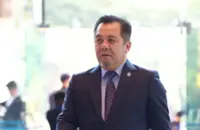
Sarawak’s Parti Pesaka Bumiputera Bersatu (PBB) information chief Datuk Seri Abdul Karim Rahman Hamzah said as far as Sabah politics was concerned, they would not show favouritism or take sides.
“A lot of them are our friends and whether they are in government or outside the government, we leave it to the Sabahans to determine who they want to lead.
“We know the Sabah election is on soon and we hope everything will be fine … no kacau-kacau (disturbances) or whatever,” he said.
Karim, who is the Sarawak Youth, Sports and Entrepreneur Development Minister, said he hoped Sabahans would be able to vote for and determine who to be given the mandate to lead the state by their own gut feelings.
When asked whether he and other Sarawak leaders, including premier Tan Sri Abang Johari Tun Openg’s presence in Sabah these past few days had anything to do with politics, he said no.
He said it is because there is a youth programme - International Youth Leadership Training programme - involving Sabah, Sarawak and Johor that is ongoing.
“That is why we are here to show solidarity with the youth,” explained Karim.
He stressed that whoever wins in the coming Sabah election, be it Gabungan Rakyat Sabah (GRS) and its partners or Parti Warisan or whoever, Sarawak was not going to meddle.
“If possible, we do not need to go to Sabah to campaign even,” he said.
Earlier in the training programme, Sabah Chief Minister Datuk Seri Hajiji Noor said it was important to help mould the youth into young leaders as change-makers to shape the future.
He said it was essential to recognise and nurture their potential while encouraging young people to engage actively in community initiatives.
He said leadership training and programmes that help nurture these talents were imperative for fostering a new generation equipped to tackle the complexities of the modern world.
Deputy Chief Minister Datuk Shahelmey Yahya delivered his speech in the programme, which involves youth leaders from 12 South-East Asia and Pacific countries.