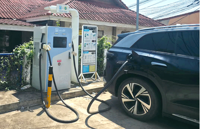
PETALING JAYA: With electric vehicle (EV) adoption among Malaysians beginning to kick off, the need for a EV battery recycling ecosystem is more crucial than ever, say stakeholders.
This is to prevent the irresponsible disposal of depleted batteries.
Electric Vehicle Association of Malaysia president Datuk Dennis Chuah said such an ecosystem could help reduce the current dependence on constantly making new EVs and then disposing of the old ones, which is an expensive practice.
“By recycling EV batteries, we can recover valuable materials like lithium, cobalt and nickel which can then be reused for other purposes or to make other batteries, making it less expensive to dispose of them.
“This also reduces our reliance on mining (for these materials) while supporting a circular economy,” he added.
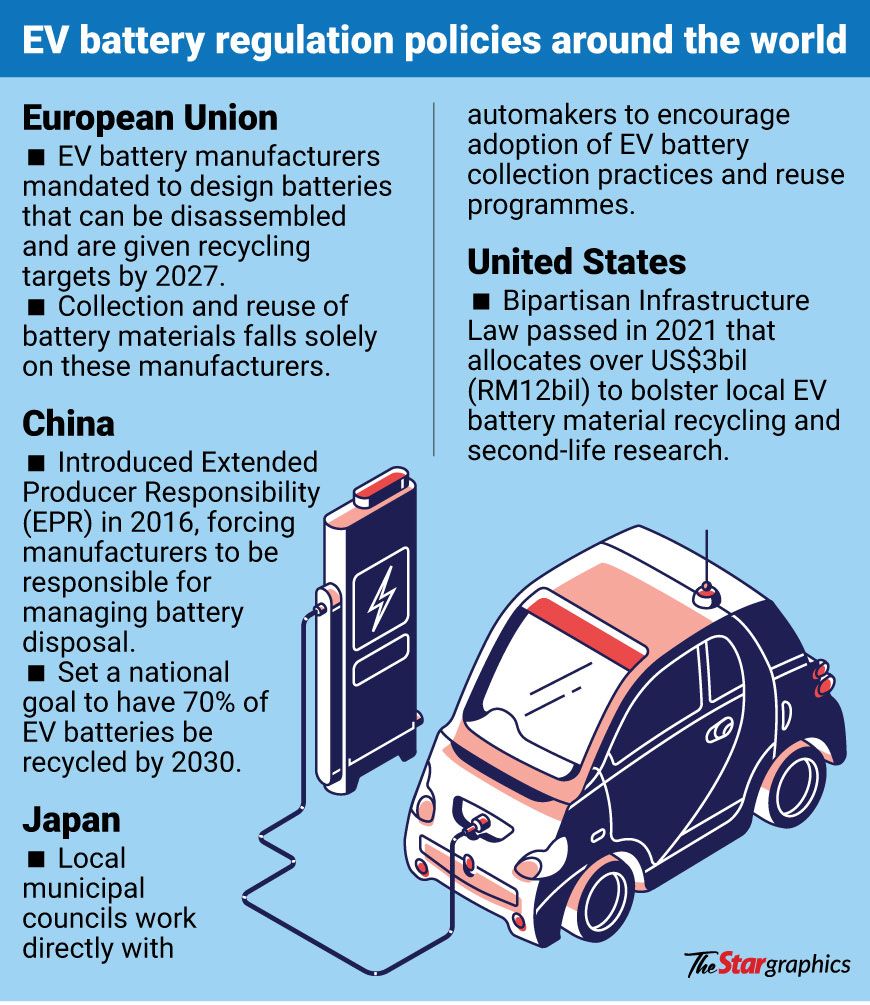
To support such a recycling ecosystem, the government could consider implementing a mandate on manufacturers to only make EV battery designs that can be easily disassembled, he said.
He added that a second-life policy for depleted EV batteries should also be considered, which would allow these devices to be repurposed for other energy storage applications.
“This can include being used in stationary energy storage systems to support the national electricity grid, helping to stabilise the grid during peak periods or emergencies.
“This will require investment in training programmes for battery recycling and repairs as EV producers look to extend the lifespan of EV batteries beyond their original purpose,” Chuah said.
Malaysian EV Owners Club vice president Farhan Abdul Rahim said that for such an ecosystem to succeed, it must include both clear regulatory frameworks and infrastructure to succeed.
“Challenges such as the lack of localised recycling facilities or unclear accountability among stakeholders could hinder the setup of such an ecosystem.
“This could lead to the public finding it too difficult or pointless to recycle EV batteries – either due to inconvenience or feeling no social pressure or responsibility to do so,” he said.
To overcome this, he said the government should look into setting up a national recycling centre which would mandate that EV battery recyclers meet international standards.
By having a centralised body and system, this would help provide assurance and confidence to the public while also making it easier to track EV batteries in the country – from the moment of production to end-of-life.
“Education on safe disposal and take-back options must also be driven into the public to better ensure higher compliance,” Farhan added.