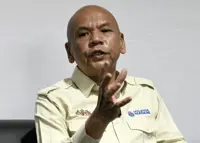
KOTA KINABALU: The Sabah government has allocated RM8.5mil under the SMJ Health Assistance Scheme Sabah Sejahtera to support end-stage renal failure (ESRF) patients in accessing haemodialysis treatment.
Community Development and People’s Wellbeing Minister Datuk James Ratib said the initiative aims to improve survival rates and quality of life, especially for patients struggling with high treatment costs.
ESRF is a severe condition where kidney function deteriorates to the point that it can no longer maintain fluid balance, electrolytes, or remove metabolic waste from the body.
“The first phase of the scheme will benefit 1,385 patients receiving haemodialysis at clinics and hospitals, along with 797 patients undergoing self-care treatment at home through continuous ambulatory peritoneal dialysis (CAPD),” he said on Thursday (March 6).
As part of the initiative, 100 new haemodialysis machines will be distributed to 24 hospitals and one health clinic across Sabah to replace ageing and damaged units, some of which have been in service for nearly a decade.
James highlighted the financial strain faced by ESRF patients, who pay over RM2,000 per month for private dialysis treatment.
"It is heartbreaking to see our people unable to receive haemodialysis at government hospitals and forced to seek costly private alternatives," he said.
The government will subsidise treatment costs, including the RM1 registration fee, RM13 treatment charge, RM100 one-time dialysis centre fee for CAPD and RM5 specialist fee.
James added that RM4.02mil has been allocated for treatment costs and RM4.5mil for the purchase of dialysis machines.
Meanwhile, Sabah state Health Department director Dr Maria Suleiman said that out of 474 haemodialysis machines in government health facilities, only 435 are operational, while 39 are out of service.
"The current patient-to-machine ratio is 3.32, which is manageable. However, if all ESRF patients require dialysis, the ratio will increase to 5.35, exceeding the 4.0 capacity," she explained.
The number of ESRF patients in Sabah has been rising since 2020, reaching 2,133 cases last year.
“This assistance will help lower the patient-to-machine ratio in hospitals and clinics, ensuring better access to treatment. The additional 100 machines will ease the burden on healthcare facilities and improve accessibility for kidney patients,” she said.
Dr Maria also expressed gratitude to the state government for prioritising kidney patients’ needs and enhancing healthcare access across Sabah.
Also present at the event were Assistant Community Development and People’s Wellbeing Minister, Datuk Flovia Ng, and other officials.