



Kuala Lumpur: Micro, small and medium enterprises (MSMEs) with annual sales of RM500,000 and below have been given a six-month extension to comply with e-invoicing.
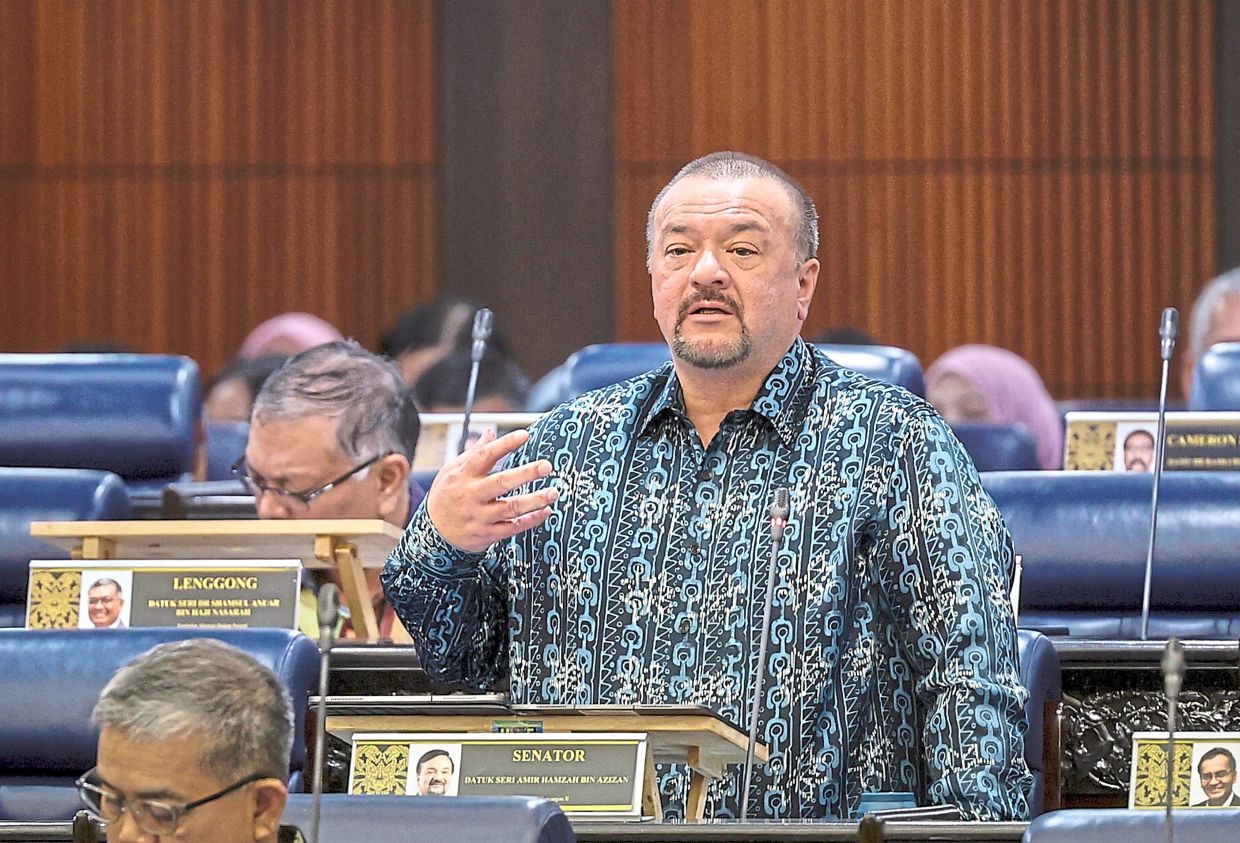
Finance Minister II Datuk Seri Amir Hamzah Azizan, who disclosed this in Parliament yesterday, said the government will also exempt MSMEs with annual sales of between RM150,00 and RM500 000 from e-invoicing till Jan 1, 2026.
“This six-month additional transition period will prepare these businesses and benefit more than 240,000 MSMEs,” he said in reply to Lim Guan Eng (PH-Bagan) in the Dewan Rakyat.
Amir Hamzah said the previous exemption announcement for petty traders, including hawkers, will benefit over 700,000 MSMEs with annual sales below RM150,000.
Although flexibility was given to these groups of business, he said they are encouraged to adopt e-invoicing in line with the digitisation exercise and to better manage their sales records.
Phase 3 of mandatory e-invoicing is scheduled to be implemented on July 1.
Phase 1 kicked off last Aug 1 for businesses with an annual turnover of more than RM100mil and above, with phase 2 getting off the ground this Jan 1 for amounts exceeding RM25mil.
Last July, Amir Hamzah announced that MSMEs earning less than RM150,000 annually were exempted from issuing e-invoices.
There has been recent pushback by MSMEs over the July 1 mandatory implementation of e-invoicing, with many seeking more time on the grounds that they are not ready or familiar with the e-invoicing regime.
Amir Hamzah said a total of 25,173 companies had transitioned to e-invoicing since its rollout last August, with 181.3 million e-invoices issued by them.
The minister also said mandatory contributions to the Employees’ Provident Fund (EPF) for foreign workers would help create a level playing field for locals.
“Without mandatory contributions for foreign workers, the cost of hiring foreign workers will be lower than that of local workers.
“Expanding this mandatory contribution will indirectly encourage the employment of more local workers,” he explained.
Amir Hamzah said employers making a 2% EPF contribution for their foreign workers would be eligible for tax deductions limited to 19% of the total wages of the worker.
This, he pointed out, would be regardless of whether the worker is local or foreign.
On Feb 3, the government announced that an employer’s EPF contribution for foreign workers was fixed at 2%, with the workers also contributing 2%.
