Spicing up relations


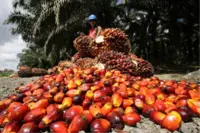
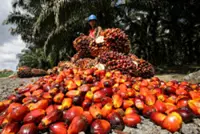
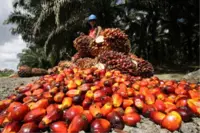
PUTRAJAYA: The spicy Chinese Sichuan mala hotpot, a popular dish in all parts of China, is now a key to Malaysia’s aim of getting its roughly one billion consumers to buy more Malaysian palm oil products.

Usually, mala hotpots use animal fats, but as dietary habits are shifting to favour plant-based oils, Malaysia hopes that this will boost the use of palm oil which is a healthier alternative, said Datuk Chan Foong Hin (pic).

The Deputy Plantation and Commodities Minister said palm oil as an ingredient in mala hotpots is one of the many ways that Malaysia wants to increase exports of high-value palm oil products to China.

Currently, China is Malaysia’s second biggest customer for palm oil after India but much of this is in the form of crude palm oil.

“We wish to not be confined to selling crude palm oil, but more high-value palm oil products,” Chan told The Star.

“Products derived from palm oil include hotpot sauce (as a substitute for butter), plant-based meat, pancakes, crab feed, ice cream, hand creams and more,” he said.

Increasing exports of such high-value-added palm oil products to China is part of the ministry’s new direction as Malaysia and China celebrate 50 years of diplomatic relations, said Chan.

The research and development centre, Malaysia Palm Oil Board (MPOB), is actively exploring and increasing awareness of palm oil applications in China.

This is done through its Shanghai branch, the Palm Oil Research and Technical Service of MPOB, where the ministry engages with Chinese stakeholders to increase the use of palm oil in food, oleochemicals, animal feed and other high-value plant-based oil industries.

Efforts to promote the use of different palm oil products are already bearing fruit, said Chan.

“It is used to make soluble laundry pods, which are gaining in popularity after the pandemic, as people buy more pods instead of bottles of detergent,” he said.

He said palm oil is also a cocoa butter substitute in chocolates, used as shortening for bread and pastries, as well as added to crab feed to redden its meat.

China is also using palm oil mill effluent, which is waste water from palm oil milling, as an ingredient for biodiesel, he said.

The country is expected to import palm oil tocotrienols, a natural vitamin E, after regulators there approved it as a food additive.

“In recent years, the export volume of oleochemical products to China has shown significant growth, accounting for 30% of Malaysia’s palm oil exports to China in 2023 (RM6.53bil),” he said. This is due to the increasing production of laundry detergent in China which uses palm oil-derived surfactant.

Follow us on our official WhatsApp channel for breaking news alerts and key updates!

Next In Nation

Ipoh man arrested after running amok with samurai sword, hurting family
Chronology of the 1MDB case involving Najib
1MDB verdict: Najib to file appeal on Monday following verdict, says lead counsel Shafee
1MDB verdict: Najib admits to feeling 'alone' in struggle for freedom
Terengganu hit by third wave flood
1MDB verdict: Najib gets 15 years' jail plus RM11.4bil fine
1MDB verdict: Prosecution calls for maximum 20-year jail sentence, RM11.4bil fine
Over 300,000 summonses issued during traffic law compliance op since Oct, says KL top cop
Two-year-old girl killed, seven others hurt in Terengganu road crash
Eight nabbed during Kampung Sungai Baru incident to be charged, say police

Others Also Read