



KLANG: Third-party insurance claimants will now be able to enjoy better protection in the event they are involved in traffic accidents.
This has been made possible with the recent groundbreaking Federal Court decision which has set some clarity on the procedure.
The decision was made following the appeals by eight individuals who were involved in traffic accidents.
Seven of the eight appellants had sustained injuries.
According to Adrian Thambyrajah, one of the lawyers who represented the eight people, the decision places emphasis on the Road Transport Act 1987 to protect third-party claimants.
He said prior to the decision, there were certain obstacles when third-party claims were made, including disputes that the driver of the vehicle was not the registered owner.
“Now, with the decision it does not matter if the vehicle owner is not the driver.
“As long as the vehicle is registered under your name, you are the owner and the third-party claimant can commence proceedings against you,’’ said Adrian.
The judgment was delivered by a three-member bench comprising Justices Abdul Rahman Sebli, Hasnah Mohammed Hashim and Rhodzariah Bujang.
It is now the liability of an insurer to pay third-party claims.
“This is a piece of social legislation whereby a claimant who is not a party to the ‘contract’ can claim.
“The third-party claimant’s right to claim is now better protected and denial of a claim is restricted to limited circumstances,’’ added Adrian.
He said among the limited restrictions were cancelled policies, claimant’s failure to give notice to insurers that they wanted to commence proceedings and insurers obtaining a stay of execution pending appeal.
The eight third-party claimants filed appeals after the insurers had managed to obtain a High Court declaration to nullify the insurance policies belonging to owners of the vehicles involved in the accidents.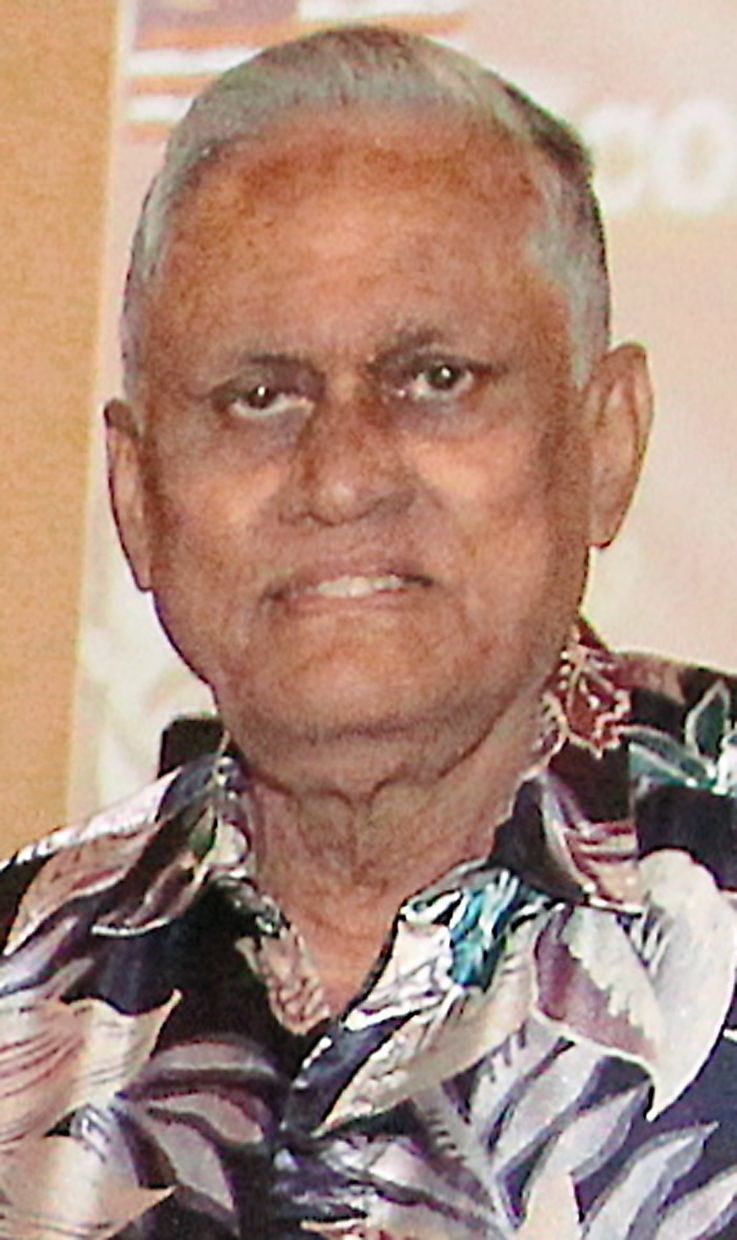
Retired legal consultant S. Radhakrishnan (pic) said the Federal Court decision was a little confusing as it appeared that just about anyone could sue for insurance claims now.
“It is up to the General Insurance Association of Malaysia (PIAM) to clarify the matter including pursuing necessary changes to the current laws,’’ he said.
He said perhaps it was time for Malaysia to look at the no-fault scheme like in New Zealand to replace the current Tort System which revolves around fault-finding.
Radhakrishnan, a former Medico-legal Association Malaysia president, added that the change had to be tabled in Parliament and, hence, the onus was on the relevant parties to pursue the matter.
“The No-Fault Compensation System was passed under the Accident Compensation Act in New Zealand in 1974.
“Under this system there isn’t a need to prove negligence or whose fault it is, as long as someone is injured, they are compensated,’’ he said.
Radhakrishnan reiterated that further clarity was needed if the intention of the court was to assist third-party claimants.
Already a subscriber? Log in
Get 20% OFF The Star Digital Access
Cancel anytime. Ad-free. Unlimited access with perks.
