



IF you spend enough time watching travel videos about Malaysia on social media, you might notice something peculiar happening in the comments.
A foreign visitor may be marvelling at a pristine beach or spectacular city views, only for some Malaysians to turn up in the comment section insisting that none of it is real.
“This is AI-generated,” they might say.
Others tell potential visitors not to come at all, or even resurrect the old stereotype that Malaysians still “live in trees”.
These comments are part of a running joke online in which Malaysians seemingly attempt to “gatekeep” the country against “ugly tourists” and overtourism by denying that its attractions exist or by deliberately playing down its appeal.
While those participating may understand the comments as an inside joke, experts say such humour can take on a different meaning when it reaches audiences unfamiliar with the context, especially as Malaysia is actively seeking to appeal to more international visitors in conjunction with Visit Malaysia 2026.
Leaving the wrong impression
Faizul Nizar Anuar, senior lecturer at Universiti Putra Malaysia Sarawak with a focus on communication technology and digital culture, cautions that jokes portraying Malaysians as still living in trees could reinforce outdated stereotypes of the country as underdeveloped, particularly among social media users unfamiliar with Malaysia.
While viral memes could inadvertently generate publicity and encourage curious travellers to find out more about the country, misleading content could also leave potential visitors with the wrong impression, he says.
“False narratives can deter prospective tourists, leading them to choose alternative destinations under the impression that Malay-sia lacks modern amenities,” says Faizul.
Malaysian Inbound Tourism Association president Mint Leong was similarly critical of deliberately portraying the country negatively, even in jest.
“I totally do not agree with the tactic of talking bad about Malay-sia, even if it’s joking,” she says.
Leong warns that people unfamiliar with Malaysia may not realise the comments are jokes and could instead take them at face value.
However, the reasons Malay-sians participate in the trend and what they intend to convey through it may be more complicated than simply downplaying the country.
University of Nottingham professor in digital media and communications Joanne Lim describes the phenomenon as a form of “playful gatekeeping”.
“Malaysians are joining a shared joke that allows them to express pride in a place while pretending to discourage others from discovering it.
“The humour comes from that contradiction: The video shows somewhere attractive, while the comments insist it is imaginary or not worth visiting.”
In social media slang, “gatekeeping” refers to trying to keep something from being discovered or enjoyed by a wider audience.
Lim says the “living in trees” comments could be understood as Malaysians taking an outsider stereotype and turning it into a joke on their own terms, while dismissing picturesque scenery as “AI-generated” offers a newer variation that plays on uncertainty over the authenticity of online images nowadays.
“In this context, it can also serve as an indirect compliment: the scenery looks so beautiful that people jokingly refuse to believe it exists,” Lim says.
Pride and unease can coexist
However, she stresses that participation in the joke should not automatically be interpreted as opposition to tourism.
“These comments can accommodate pride, protectiveness, and teasing without everyone necessarily wanting fewer tourists,” she says.
The ease of participating in the joke may help explain why it has spread.
This particular meme has spread so widely that some Malaysian influencers have even started parodying the trend in their original content, going beyond the comment section.
Lim says memes develop through a combination of repetition and variation, with social media users recognising a familiar idea and adding their own spin to it.
In this case, the formula is simple: a video presents an attractive Malaysian destination and commenters invent reasons why it cannot be real. As people encounter the joke across different posts, they learn its conventions and begin to anticipate what others will say.
“The comments can actually become an attraction in themselves. This is how a passing joke becomes a shared cultural reference,” she says.
But sharing the same joke does not necessarily mean sharing the same motivation.
Two people could leave almost identical comments, Lim says, even though one is genuinely concerned about overcrowding while another is simply expressing affection for Malaysia or enjoying the online exchange.
Nevertheless, humour can also provide a way for people to express genuine concerns without committing themselves to an entirely serious statement.
Pride in a place and unease over its growing popularity can coexist, says Lim.
People may welcome greater recognition of a destination while worrying about what could follow, including congestion, rubbish, rising prices, or changes to the character of a neighbourhood.
“For a visitor, it may be a destination to experience briefly. For a resident, it is somewhere they use, depend on, and feel attached to,” she says.
Poor visitor management, not overtourism
This concern about congestion may be driven not by overtourism on a broad scale, which industry players say is not occurring here, but by a lack of visitor management.
Digital Travel Technology Association president Rohizam Md Yusof says there is a difference between overtourism and poor visitor management.
“What I see in Malaysia is a lack of visitor management. We don’t manage crowds properly,” he says.
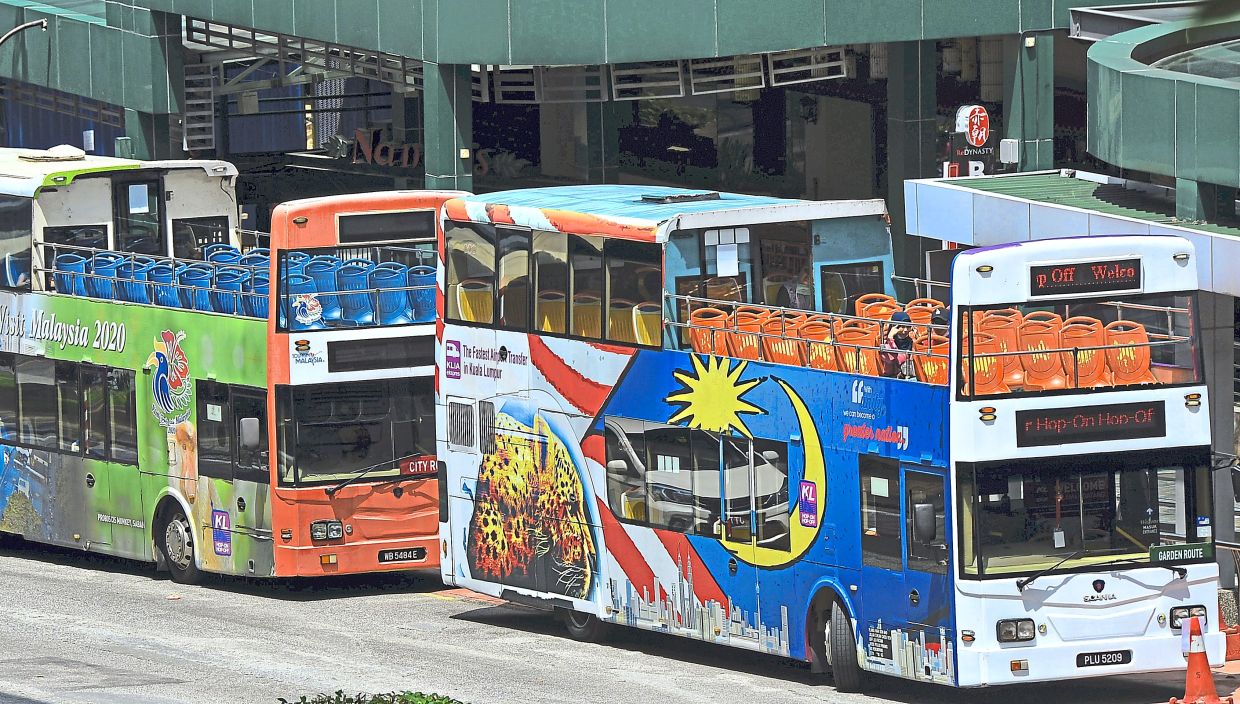
He points to the example of the lines of tourist buses often congesting Kuala Lumpur’s Bukit Bintang area. Those buses could potentially seat up to 40 people but are usually carrying around 20 passengers only, he says.
People may also be concerned about the proliferation of short-term rentals in their neighbourhood due to a tourism boom, he adds.
Leong says crowding tends to occur at particular destinations and during peak periods, pointing to weekend congestion in places such as Cameron Highlands and Melaka.
“In Malaysia, we still haven’t reached overcrowding or overtourism. We don’t see that,” she says.
Instead, she believes greater attention needs to be paid to visitor and traffic management at popular destinations, including having clear responsibility over how crowds are managed.
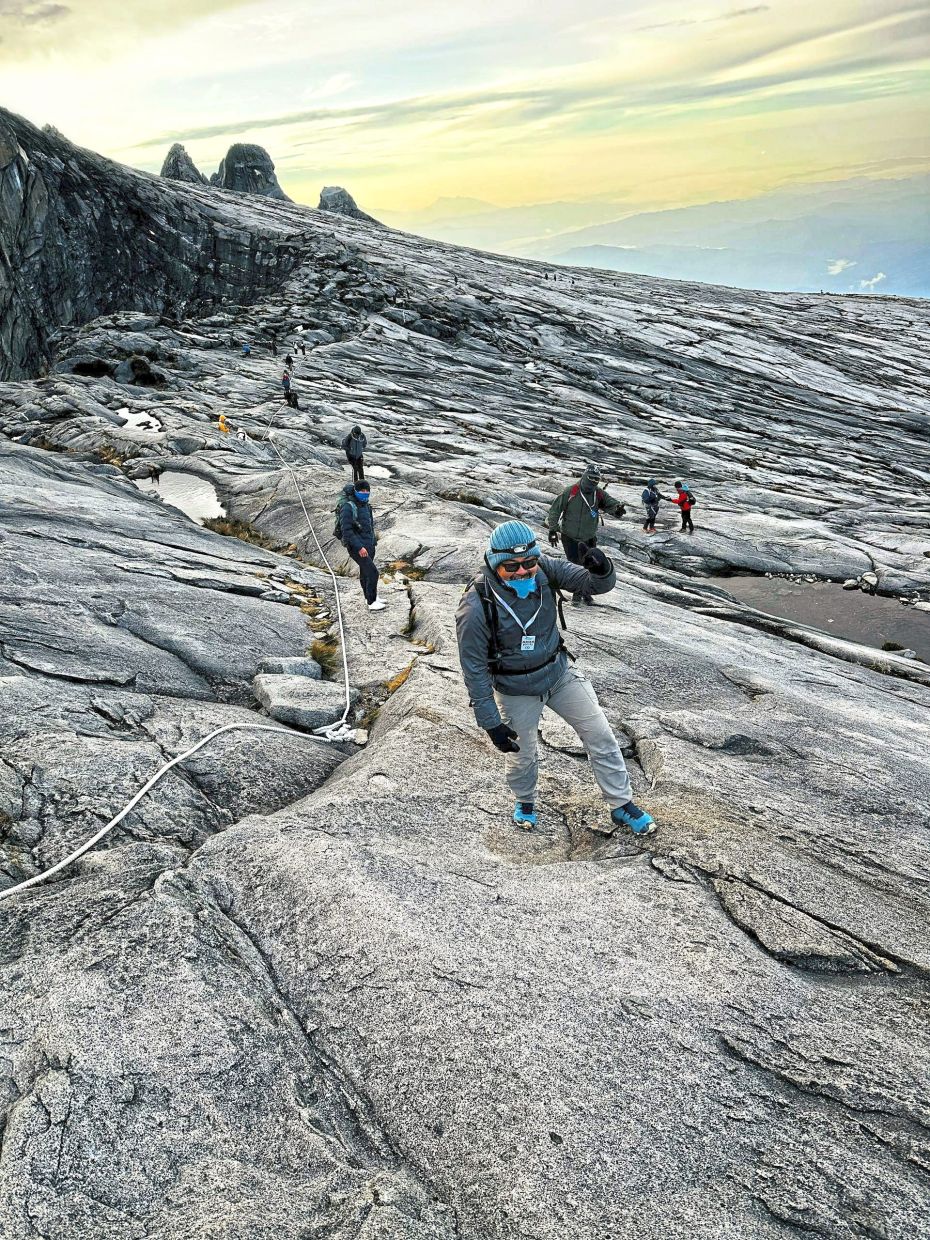
She cites measures to limit visitor numbers at environmentally sensitive attractions like Mount Kinabalu as an example of how tourism can be managed to protect destinations.
“This type of management is good. This is how we protect and preserve our destinations,” she says.
Sustainable tourism is also a key thrust of the Tourism, Arts and Culture Ministry’s National Tourism Policy 2020-2030, which includes strategies such as strengthening community-based tourism and diversifying the country’s tourism products.
For those genuinely concerned about congestion, Leong says social media could instead be used to highlight lesser-known destinations or educate visitors on responsible behaviour.
“You could post on social media that we welcome you to this place, but please don’t do this or that,” she gives as an example.
Social media is a very important tool to promote destinations, she adds, but how it is used matters.
Rather than discouraging visitors through jokes that could be misunderstood, Leong says Malaysians could use the same platforms to encourage visitors to explore beyond popular destinations.
For Lim, the gatekeeping trend ultimately illustrates how the same joke can carry different meanings for different people.
Some may be protective of a place, while others may simply enjoy participating in a shared Malaysian joke.
“We should not assume that a joke conceals a grievance or dismiss a concern simply because it is expressed humorously,” she says.
