“CAN you still speak your family dialect?”
“I can understand a little, but I can’t speak it.”
Such exchanges are hardly uncommon among younger Malaysian Chinese today.

According to Ng Yuen Yi, a research fellow at the Centre for Malaysian Chinese Studies, whether a dialect remains widely used depends greatly on the linguistic environment of a particular place.
“The stronger the common language, the weaker the dialects.
“In the past, some areas had a high concentration of people from the same ancestral or dialect group, so their dialect itself could become the common language among the local Chinese community.
"Even people who were not from that group might eventually understand it, or even learn to speak it, after living there for a long time," she says, citing Kuala Lumpur and Selangor as an example, where Cantonese has long had a broad social base.
"As a result, even those who are not Cantonese may pick up the dialect after prolonged exposure to the language environment.
"However, as population mobility increases and interaction among different dialect groups becomes more frequent, Mandarin has gradually become the most convenient common language between them."
Ng says when Hokkien, Hakka, Cantonese and Teochew speakers live alongside one another, and everyone can speak Mandarin, they naturally tend to use Mandarin when communicating.
“Johor is a fairly clear example. Mandarin is widely spoken there, while dialects have become relatively weaker.”
The rise in marriages across dialect groups has also changed the linguistic landscape within Chinese families.
In the past, family members were more likely to share the same ancestral background and speak the same dialect at home. Today, marriages between Hokkien and Cantonese, or Hakka and Teochew families, are commonplace, while inter-ethnic marriages are also becoming more frequent.
Ng gives the example of a Cantonese-speaking spouse and a Hokkien-speaking spouse. If neither can communicate smoothly in the other’s dialect, the most straightforward option is to switch to Mandarin, which both can speak.
“Over time, the couple speaks Mandarin to each other and also to their children. If their original dialect is used only when they return home during festive occasions to speak with their elders, their proficiency will inevitably decline.”
She also notes that as young children often spend more time with their mothers, the dialect they are most familiar with usually comes from the mother, even though their ancestral origin is traditionally traced through the father.
“A person’s ancestral origin does not necessarily correspond to the dialect they know best or use most often.”
Apart from inter-dialect marriages, changes in family structure have also contributed significantly to the weakening transmission of dialects.
Senior research fellow Chiam Yan Tuan recalls that when he was growing up, his parents’ generation still commonly used dialects as their main language of communication. Children also lived with their grandparents, allowing them to understand and acquire dialects naturally through everyday interaction.
“Modern families are increasingly centred on the nuclear family. After marriage, young people move away from their parents to establish households of their own. Grandchildren and grandparents no longer live together every day, creating a gap in what was once a natural form of dialect transmission.
“If they do not live together, it becomes very difficult for children to learn the dialect from their grandparents,” he says.
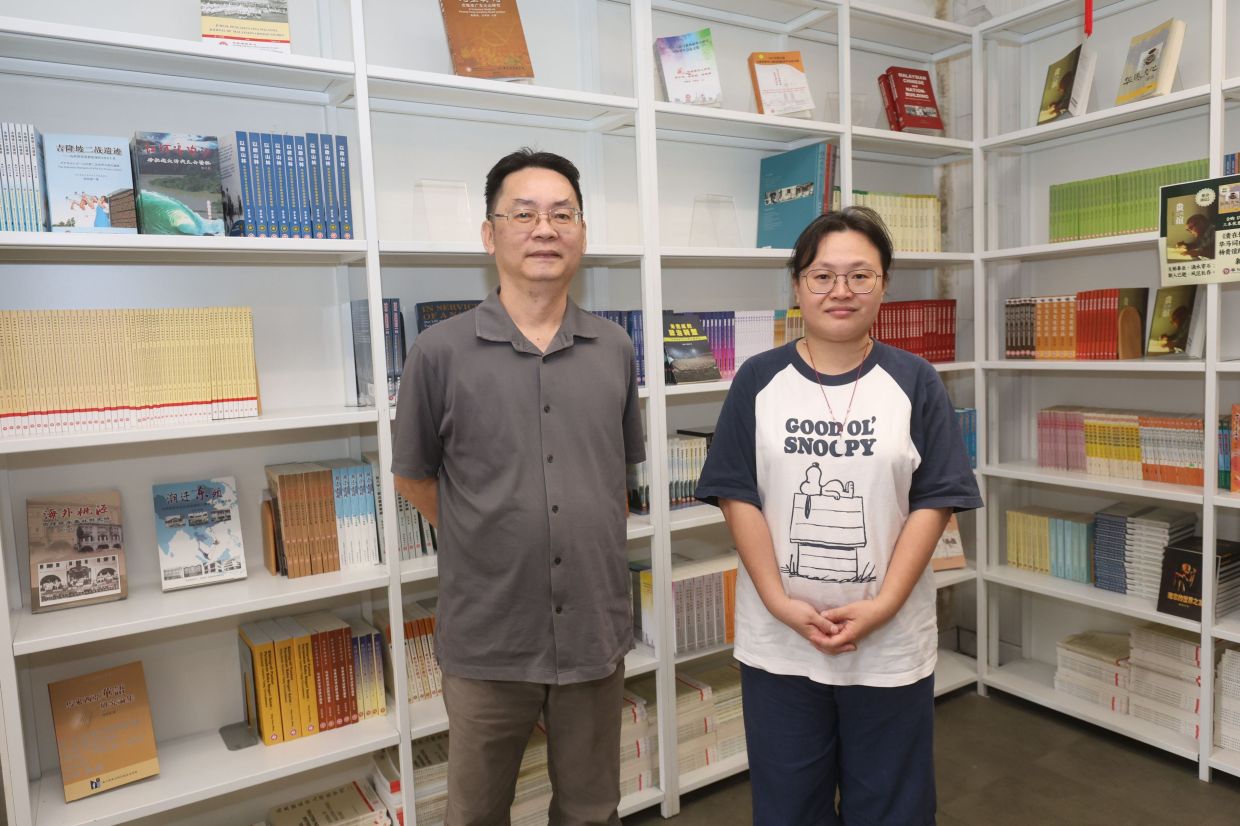
He notes some children may still understand a little but can no longer speak it, while among even younger generations, some may only understand fragments.
Urban transformations
Urbanisation has further transformed the traditional linguistic environment.
Chiam says young people are leaving new villages and traditional settlements to cities such as Kuala Lumpur in search of work and a new life. As a result, areas that were once dominated by a single dialect group continue to lose population.
Once in the city, they are exposed to more diverse social networks. Mandarin is used in school, while their own dialect may have little place in the workplace, further reducing opportunities to use or learn it.
“This is the combined result of the linguistic environment, economic change and population movement.”
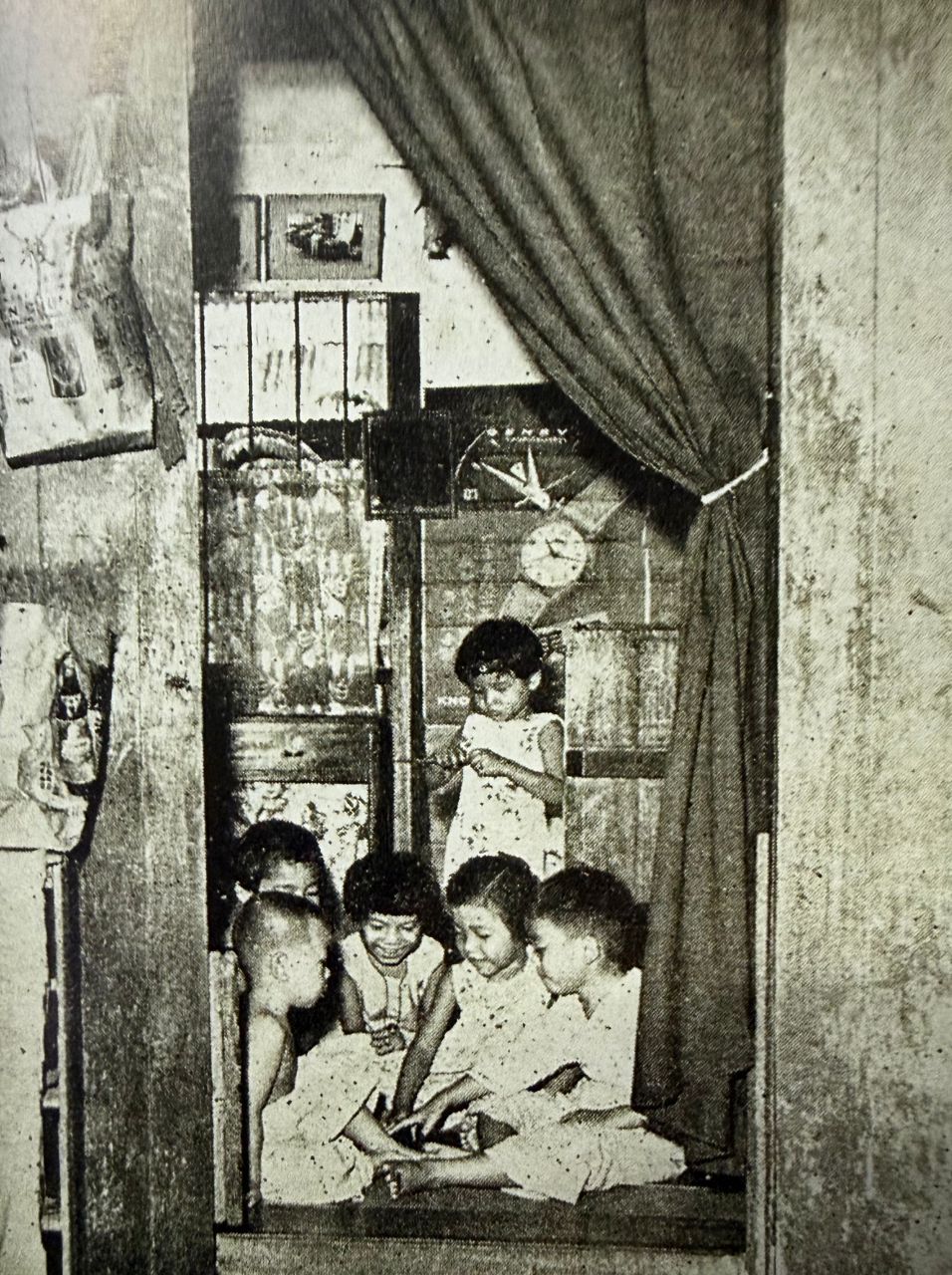
Nevertheless, Chiam stresses that as long as the structures surrounding associations, festivals, food and cultural customs remain intact, the major dialects are unlikely to disappear completely.
“What deserves greater attention are dialects that already have relatively small numbers of speakers and limited domains of use. These may face greater transmission challenges in the future.”
He says the overall space for Chinese dialects is shrinking, particularly as younger generations have fewer opportunities to encounter and learn them.
Rather than “disappearing”, he believes dialects are more likely to become increasingly minoritised.
“Fewer and fewer people may be able to speak them, and the occasions on which they are used may become increasingly limited, but they are unlikely to vanish entirely from society.”
As fewer people speak these familiar ancestral tongues, the concern is no longer only about the languages themselves, but also the food, customs and cultural memories connected to them.
Ng believes that while these changes may affect cultural transmission, culture will not simply disappear. Instead, new forms will emerge through interaction and integration.
“Today, a Cantonese person’s dining table can include Hokkien, Hakka and Hainanese dishes, as well as curry, chilli and sambal. Likewise, bao (steamed buns), stuffed tofu and noodle dishes can also become part of the food culture of other ethnic communities.
“What we are seeing is not complete disappearance. Rather, something new is being created.”
Such interaction and absorption have ultimately produced a distinctly local culture.
Thus, under globalisation and population mobility, some traditional boundaries are indeed becoming less distinct. At the same time, as different cultures come into contact and intersect, they continue to give rise to new languages, foods and forms of expression.
Ng sums up this process in four terms: diversity, mutual flourishing, co-construction and localisation.
Perhaps one day, the Hokkien spoken by young people will sound different from that of their grandparents, while their Cantonese may be mixed with Mandarin, English or Malay.
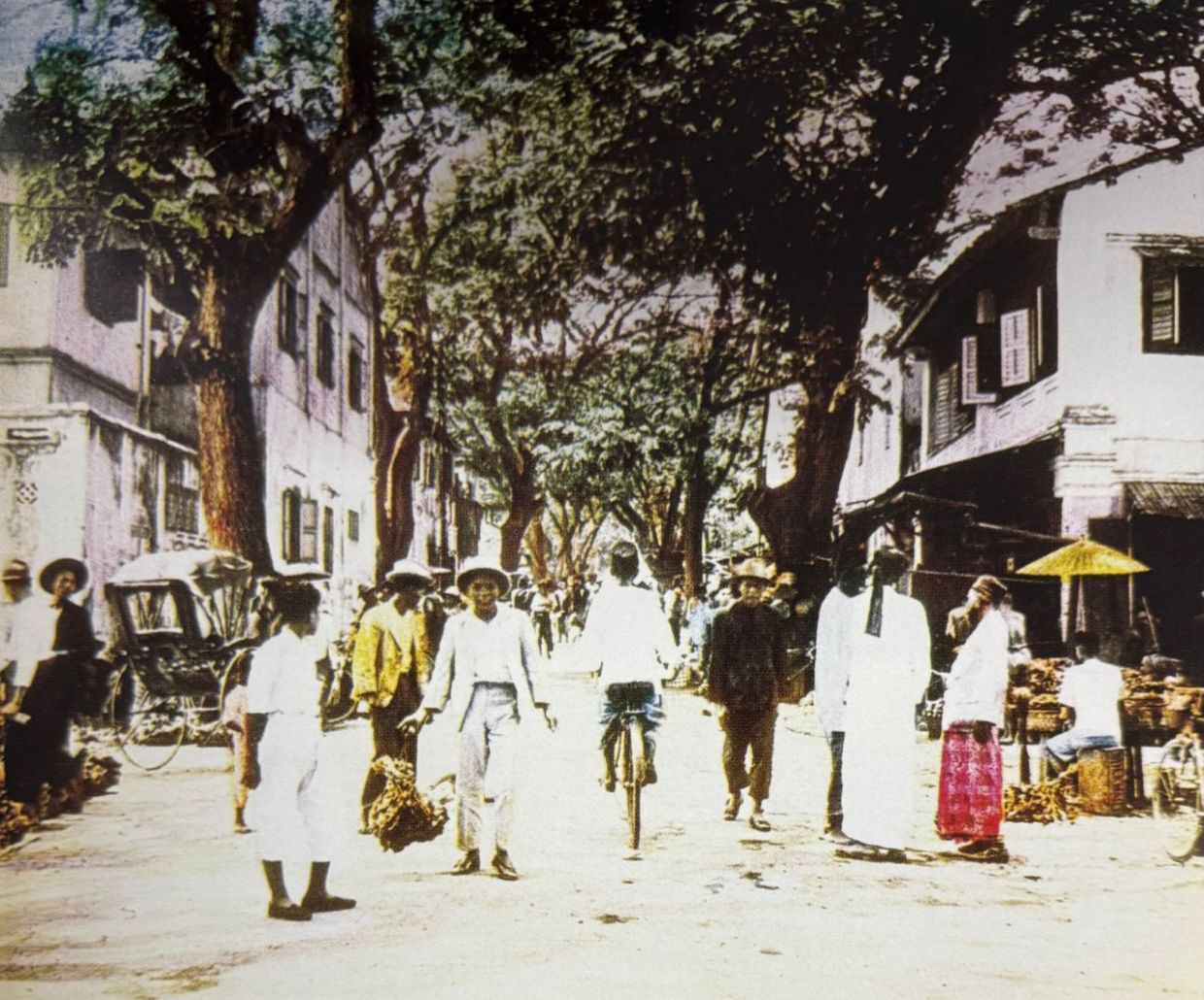
Some may even be able to understand the dialect but no longer speak it.
Yet these changes themselves are also a record of the journey taken by Malaysian Chinese over generations.
Even as these familiar dialects gradually fade, they are also taking on new accents rooted in this land – accents that could only have emerged in Malaysia. — Sin Chew Daily/MIA
This article is part of the special series by the Media in Arms alliance to highlight the many faces of Malaysia’s society through different ethnic, linguistic and cultural perspectives in conjunction with Malaysia Day.
Media in Arms comprises five mainstream media outlets – Chinese newspaper Sin Chew Daily, Malay daily Sinar Harian, local news broadcaster Astro Awani, Tamil newspaper Malaysia Nanban and The Star – which formed this initiative in February 2022 to share resources and collaborate on diversified news content.