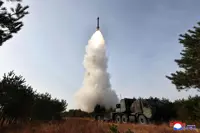
IN Colombia’s rural Guaviare region, poor ranchers eke out a living amid armed rebels who traffic cocaine.
But when Luis Carlos Mojica was fatally shot there in September, his death became national news.
Witnesses and his widow said Mojica, 31, was a civilian in street clothes who was shot by a soldier. The authorities said he was an armed rebel.
His killing, along with at least two other recent deaths, has ignited fierce debate over the country’s military crackdown on armed groups.
Supporters of right-wing President Abelardo De La Espriella say his hardline campaign, which has included posing with body bags and vowing to hunt down bandidos, or bandits, is necessary after years of failed peace talks.
Critics argue that De La Espriella, encouraged by US President Donald Trump, is pursuing a crackdown that is ensnaring innocent civilians and falsely branding them criminals.
The allegations evoke painful memories in Colombia.
Two decades ago, as the army fought leftist guerillas, soldiers killed around 7,000 civilians, dressing them in military clothing and planting weapons on their bodies to inflate enemy body counts, a tribunal later found. The killings became known as the False Positives scandal.
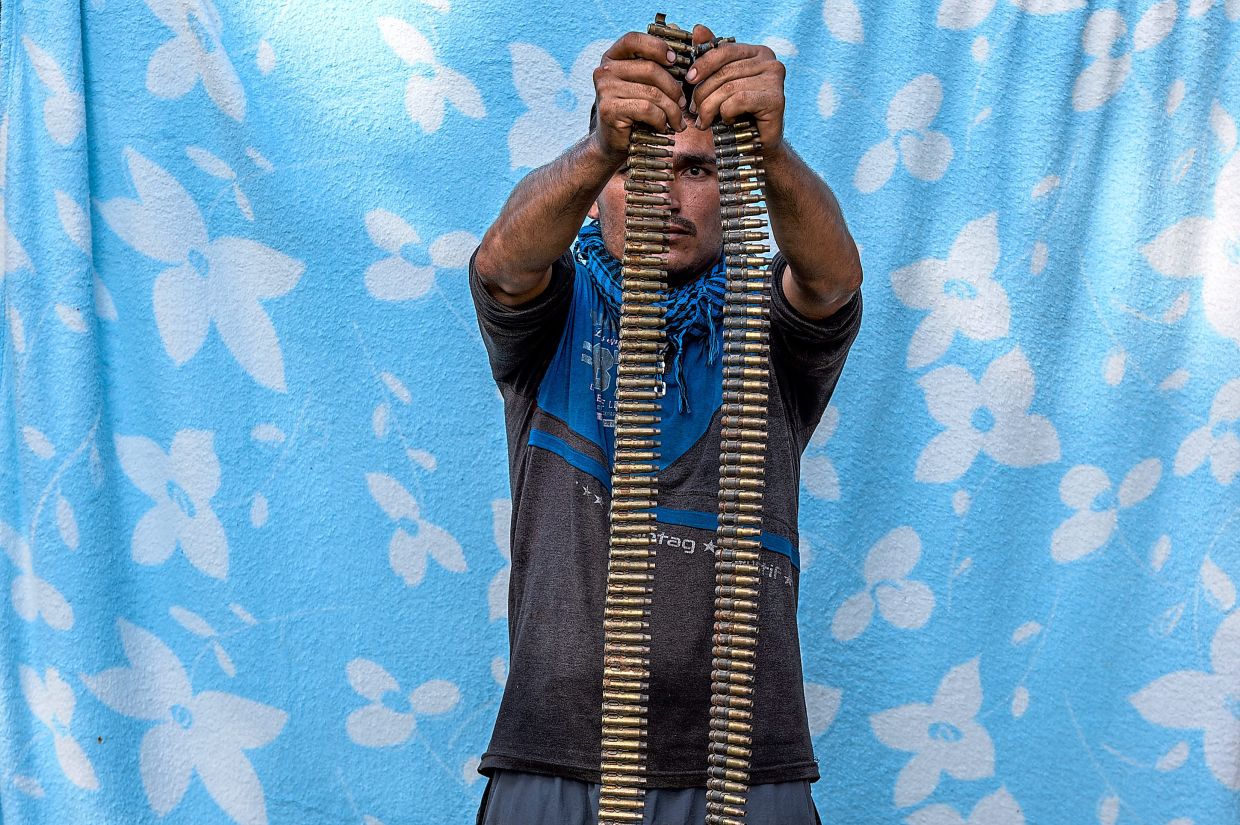
The recent deaths of three men – Mojica, an 18-year-old and a 19-year-old – have drawn comparisons with those extrajudicial killings.
After the death of the 18-year-old, Ricardo Martinez, in September, a left-wing lawmaker held up his photograph in Congress and declared: “The first false positive.”
Colombia’s ombudsman has called for the attorney general’s office to investigate all three deaths. The office is reviewing the cases.
The defence ministry rejected what it called “the invention of irresponsible versions meant to distort reality”. De La Espriella’s office did not respond to detailed questions.
Three security officials, speaking anonymously, confirmed that security forces had killed the men. They said weapons had been found on or near the victims, although the circumstances of each death remain disputed.
Caught in the middle
After Mojica’s death on Sept 22, the military said he belonged to the Jorge Suarez Briceno Bloc, a splinter group of the Revolutionary Armed Forces of Colombia, or FARC, once the country’s most powerful leftist guerilla army.
But Yuli Motta and Luis Carlos Guerrero, small-scale cattle ranchers in Guaviare, said they witnessed the shooting and insisted Mojica was unarmed.
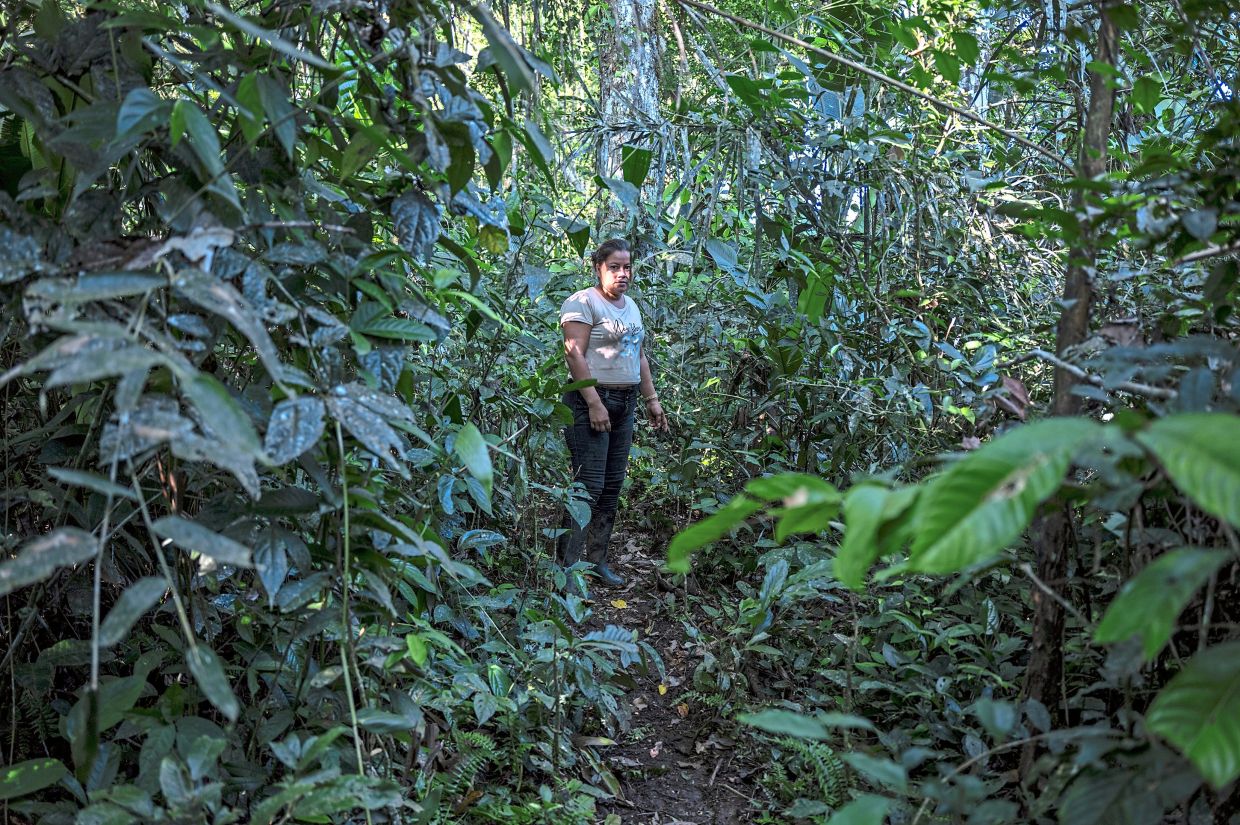
The night before, a group of strangers had asked to stay in the couple’s small wooden home, which they share with their two children. They agreed, the couple said.
The following day, soldiers detained Motta, 28, as she went into nearby woods to look for a stray cow. They shackled and questioned her about the visitors.
Several hours later, Mojica arrived at their home in a pickup truck. Guerrero, 28, said he recognised him but did not know why he had come.
The two were talking outside when Mojica was shot.
“He suddenly fell,” Guerrero said.
As gunfire continued, Guerrero ran inside and pulled his young daughter under a bed.
“They left the house looking like a colander,” Motta said of the soldiers’ gunfire.
The couple said soldiers posed for photographs with Mojica’s body before it was taken away by helicopter.
A security official offered a different account.
He said troops had been pursuing a senior rebel commander and had refrained from shooting him because a child was nearby. Mojica, whom the official described as part of the commander’s inner circle, was subsequently shot.
The official said Mojica was armed and shared a photograph of an assault rifle reportedly recovered about a metre from his body.
A community board in the nearby hamlet of Guaduales Nueva Esperanza described Mojica as a local campesino, or peasant farmer.
His widow, Camila Qutinico, 19, said he was not a rebel but raised pigs and other farm animals with her.
A mother’s accusation
Hundreds of kilometres away, Martinez was killed in a police and military operation targeting a leader of the Conquering Self-Defence Forces of the Sierra Nevada, a criminal group on Colombia’s Caribbean coast.
De La Espriella posted photographs of body bags he said contained the group’s leader and six others, including Martinez.
The teenager’s mother, Marelvis Rodriguez, denounced the killing in an online video.
“You killed my son unjustly,” she said. “He was a kid, just 18.”
Rodriguez told reporters that her son had been hired to vaccinate cattle on the property where the raid took place and was not a member of the targeted group.
A security official disputed that account, saying Martinez had been carrying a rifle and wearing a vest fitted with ammunition pouches.
Death on the river
In early October, lawyer and left-wing activist Ali Bantu Ashanti raised concerns over the killing of 19-year-old Keiner Banguera in Narino, in southwestern Colombia.
Bantu said witnesses had seen soldiers shoot Banguera as he piloted a boat along the Tapaje River.
De La Espriella subsequently posted photographs of a small boat, pistol magazines, ammunition and stacks of pesos worth about US$200,000, saying the military had taken down a “narco-terrorist” who fired on soldiers. He did not name Banguera.
A security official said soldiers had signalled for Banguera to stop, but he opened fire on them.
Bantu argued that the military had exceeded its legal authority by attacking Banguera.
Banguera’s family declined to comment.
Investigations are under way, but the allegations have reopened a deeply troubling question for Colombia: whether a campaign to defeat armed groups is once again putting civilians in the firing line. — ©2026 The New York Times Company
This article originally appeared in The New York Times
Already a subscriber? Log in
Get 20% OFF The Star Digital Access
Cancel anytime. Ad-free. Unlimited access with perks.