



WHEN a news magazine recently branded him “Germany’s most dangerous man”, the far-right AfD party’s Ulrich Siegmund mocked the weekly by handing out signed copies of the publication to his fans.
It was a signature move for the 35-year-old with a neat undercut hairstyle and winning smile who has blitzed social media and rallied real-world crowds at campaign events and motorcycle outings.
Siegmund converted his crowd appeal into a historic election win on Sept 6, as his Alternative for Germany won at least 44% in Saxony-Anhalt state in Germany’s ex-communist east, according to exit polls.
“We have made history today,” said a jubilant Siegmund, even as it remained unclear whether his party can win an absolute majority to end up governing.
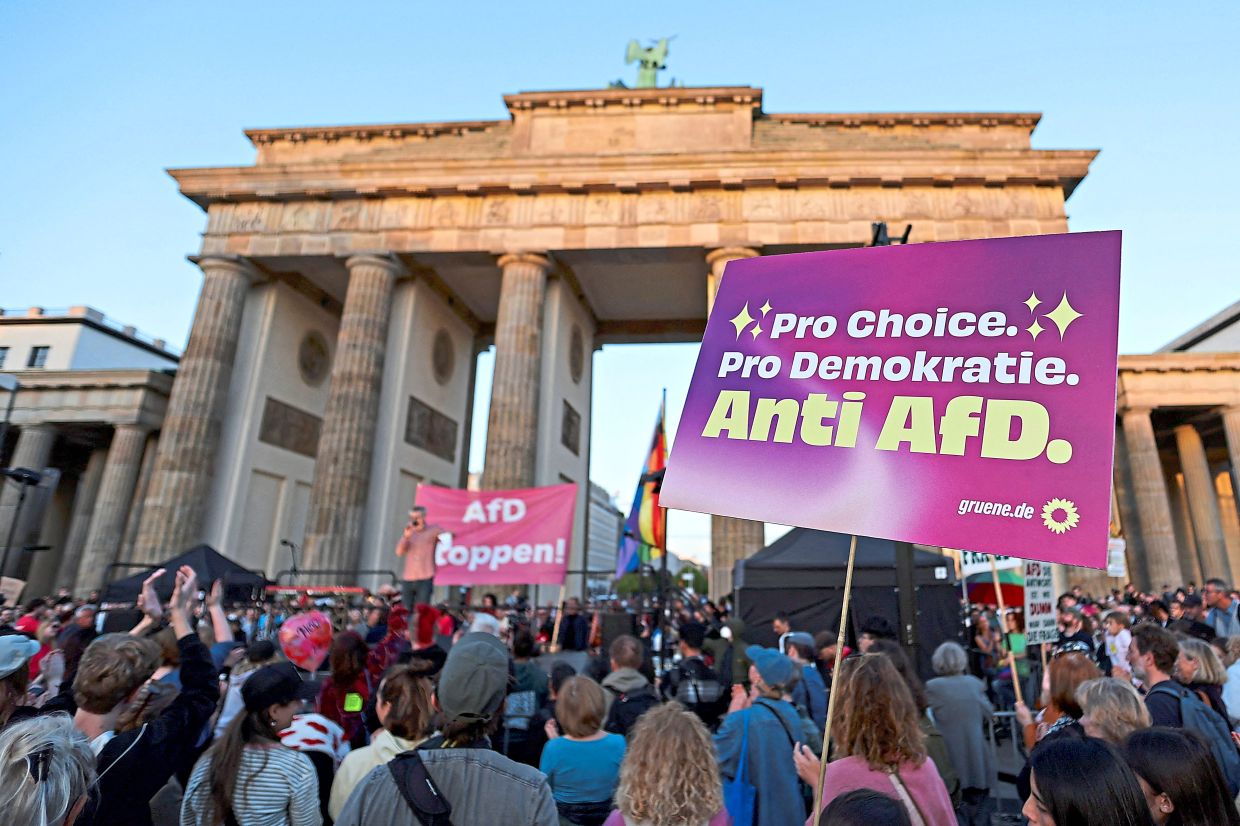
For the AfD, Siegmund has been a stroke of luck – the smiling, youthful and beer glass-clinking face of a party better known for channelling anti-establishment anger.
In recent months, Siegmund has been mobbed by adoring supporters at AfD “family picnics” and campaign events across the small state.
“He’s like a good buddy,” said a 19-year-old fan as Siegmund was posing for selfies while stalls offered T-shirts and coffee mugs bearing his likeness.
Hundreds of thousands follow him on TikTok, Instagram and other platforms.
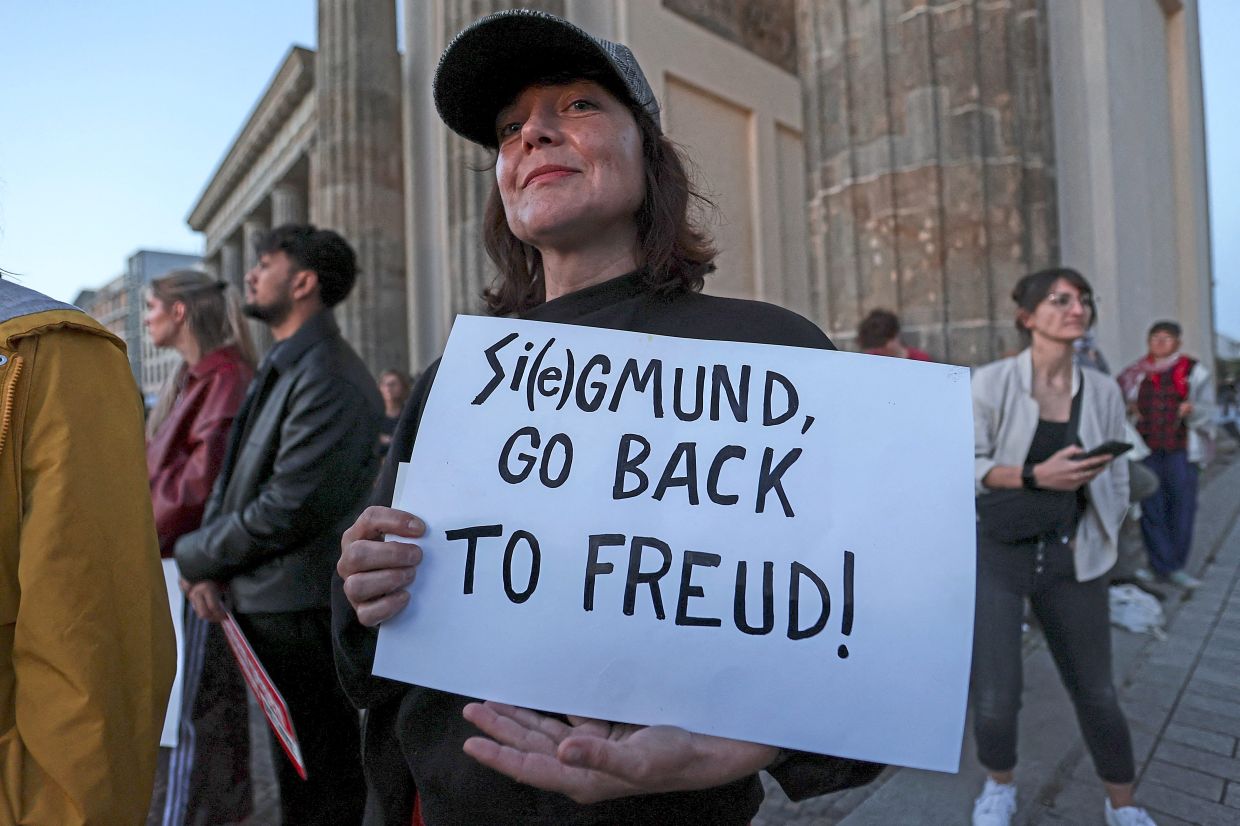
But behind the buzz and the likes, his critics warn, is a man with radical positions. His vow to deport irregular migrants “from minute one” has terrified many foreign-born residents.
Germany’s domestic intelligence agency considers the AfD chapter he represents as “right-wing extremist” with links to ethno- nationalist groups and think-tanks.
Siegmund was present at a 2023 secret meeting near Berlin where extreme right-wing activists discussed a radical “remigration” plan to expel millions of people with a migration background.
At the time, the revelation cost Siegmund a committee chairmanship in the state parliament – but he has since dismissed the meeting as a “Kaffee Klatsch” or casual social gathering.
Anti-’woke’ and patriotic
Several of Siegmund’s staffers and party colleagues are former members of the since-banned neo-Nazi group “Heimattreue Deutsche Jugend” (Patriotic German Youth).
Commenting to Welt daily, Siegmund defended his team, saying, “They are excellent people. They have a completely clean record. I’m not interested in what happened 20 or 25 years ago.”
Siegmund, whose followers often feel fondly about life in the former communist East Germany, was born in Saxony-Anhalt on Oct 25, 1990 – about three weeks after Germany’s reunification.
He grew up in the picturesque town of Tangermuende, where he still lives with his wife and daughter.
He studied business psychology and administration before founding a small company that markets air fresheners.
Politically, Siegmund’s path first led him to the centre-right CDU, but in 2014, he joined the newly-founded AfD.
At the time, the party mainly railed against eurozone bailouts, but it soon refocused on railing against immigration and propagating Islamophobic rhetoric.
The AfD has since become the strongest party across the east, giving voice to those who feel like second-class citizens in a region that still lags the west in prosperity and jobs.
Symbols of nostalgia for the past are common at AfD events, where some sport the compass and sickle symbol of what was the Moscow-backed German Democratic Republic.
In March 2016, Siegmund entered state parliament for the AfD. In 2021, he became co-leader of its parliamentary group and recently, he was elected as top candidate with 97% support.
If the AfD does come to power, Siegmund plans sweeping measures that would aim to make the state less multicultural, less “woke” and more pro-family and proudly patriotic.
Siegmund said this would help lure back expatriate Germans who could help rebuild the stagnant economy and a country he sees as headed down the wrong path.
“Here in this country, the current government is relying solely on immigration,” he argued. “We can see where that has got us. We no longer want things to continue this way.” — AFP
