




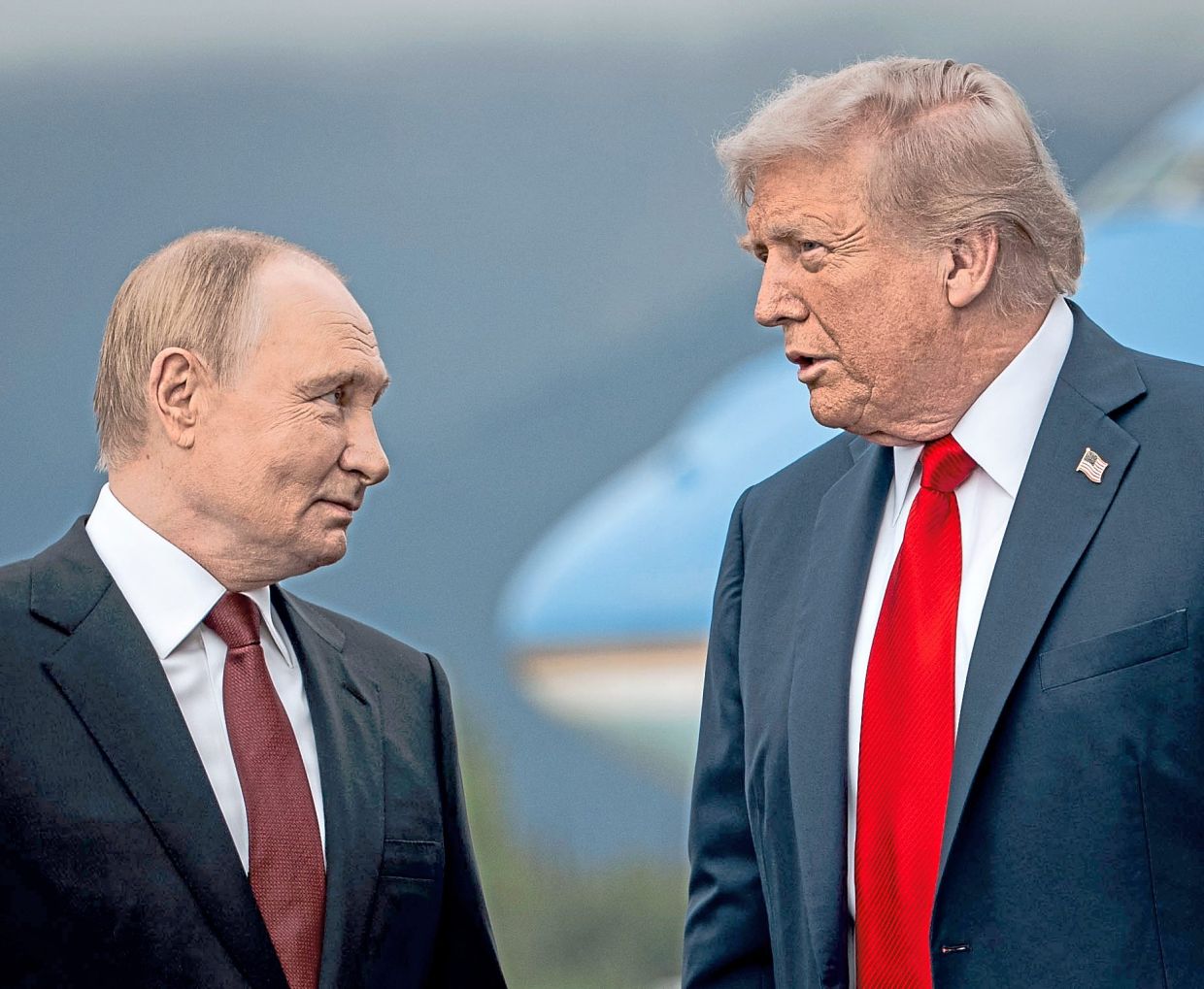
RUSSIAN President Vladimir Putin is in his fifth year of trying to bomb a smaller country into submission. US President Donald Trump tried to pull the plug after six weeks, only to be drawn back in.
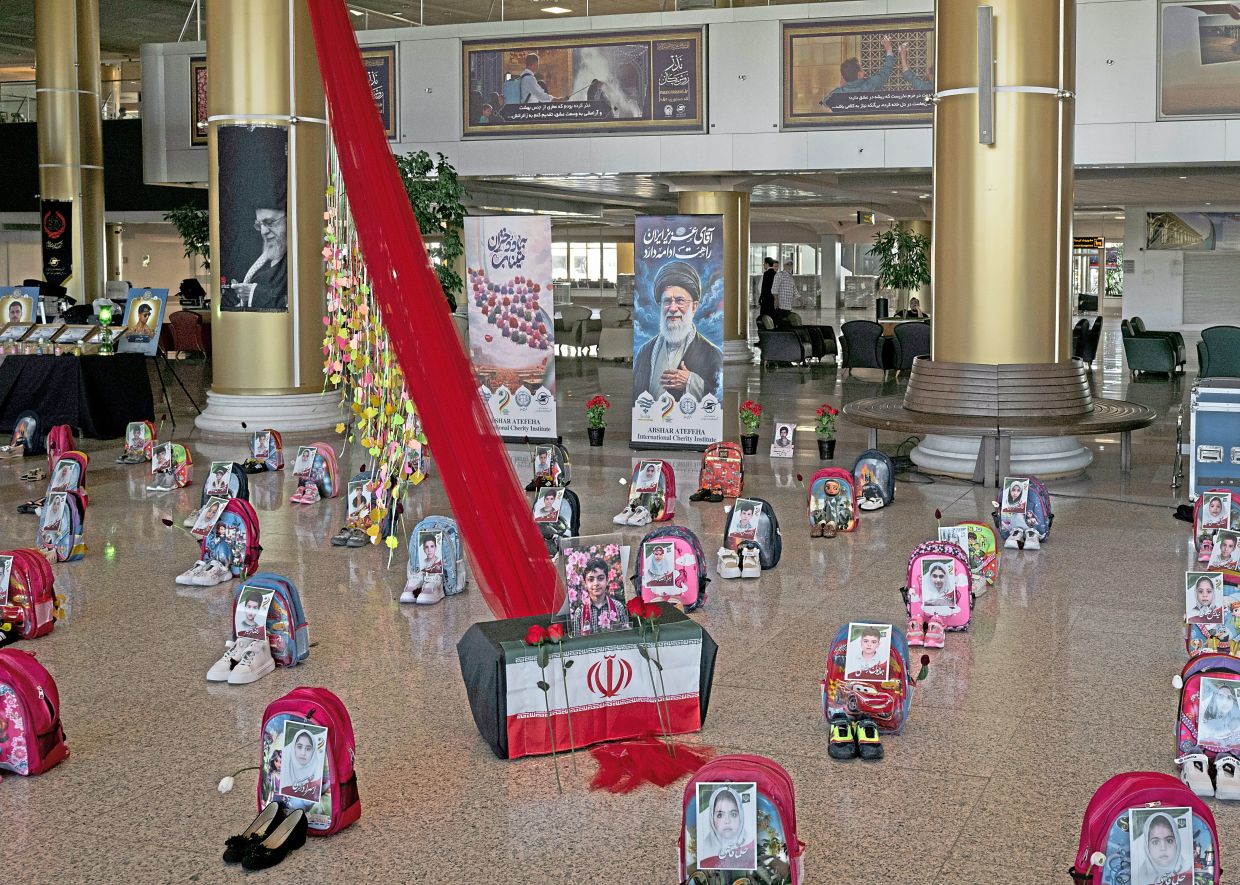
Neither man has come close to achieving his goals. But the contrast between the killing by Putin’s Russia in Ukraine and Trump’s bombing in Iran is the story of two leaders of major powers struggling to find their ways out of wars of choice.
Putin’s ground invasion of a neighbouring democracy and Trump’s air raid on a Middle East theocracy are difficult to compare, and each leader appears convinced that his war is just while the other’s is wrong.
But the two conflicts intersect in numerous ways in global geopolitics, from energy markets and air defence supplies to the diplomatic bandwidth of White House envoys.
Most broadly, they have both demonstrated the limits of military force in achieving political ends while weakening the image of power that the United States and Russia seek to project on the world stage.
But they also underscore the differences between a dug-in Putin and a constantly shifting Trump.
To Trump’s hawkish critics, his difficulty negotiating with Iran on a long-term peace deal is evidence that he stopped his full-fledged bombing campaign too soon.
Some even suggested after Trump’s initial ceasefire in April that Putin’s refusal to compromise could be something to learn from.
“I really think that we lost our leverage by stopping the campaign,” Jack Keane, a retired general, said on Fox News’ America’s Newsroom back then.
“I would have preferred to go into negotiations with the war continuing because we have leverage over them as the war is continuing. That’s kind of Putin’s playbook, isn’t it?”
In Russia, some commentators pointed to Trump’s preliminary memorandum of understanding with Iran as a sign of weakness, the latest signpost of US decline.
But there were also whispers that Trump took a step some wished Putin would take, according to Tatiana Stanovaya, a specialist in Kremlin politics at the Carnegie Russia Eurasia Centre. Trump looked ready to cut his losses in a war effort that went way off course.
“They bombed a little bit and figured it out,” Stanovaya said, channelling the feelings of some of her contacts in the Russian elite. “Will Putin figure it out?”
Last year, Trump appeared to offer Putin an off-ramp. The White House dangled sanctions relief and business deals in exchange for a ceasefire in his war, despite widespread criticism that the offer was rewarding Russia for its aggression.
But it was not good enough for Putin, who insisted that the “root causes” of the war be addressed before he stopped fighting – Kremlin-speak for Putin’s wide-ranging territorial and political demands, like keeping Ukraine out of Nato.
Two people close to the Kremlin said Putin saw his war as his main leverage over Ukraine and the West. If he stopped without getting concessions first, they said, he was unlikely to get them with the military pressure off.
From Putin’s perspective, one of the people said, Trump made a mistake in starting the conflict with Iran, but Trump’s ceasefire in April was also a mistake in that it ran counter to Putin’s doctrine of maintaining military pressure on an opponent for as long as it took to extract lasting concessions. The two people spoke on the condition of anonymity for fear of reprisal for talking candidly about Putin.
To some of the Iran hawks in Trump’s circle, the contrast between Putin’s stubbornness and Trump’s vacillation represents a misreading by both men of their capabilities.
Keane, who received a Presidential Medal of Freedom from Trump in 2020, said the United States “made a choice to go to a ceasefire” in April when its military options against Iran far exceeded what Putin can do in Ukraine with conventional weapons.
“Putin, no matter what he does, is not going to achieve that kind of domination over Ukraine,” Keane said. “That’s completely different from the US situation where we really do have the capability to end this militarily if we desire to.”
Putin, of course, has sacrificed far more in lives and resources in Ukraine than Trump has fighting Iran. And he has staked the success of his war effort on specific goals – like controlling all of Ukraine’s Donbas region and preventing future Nato expansion – that have made it difficult for him to change course, even within Russia’s autocratic system.
Trump, by contrast, went from promising in February to “destroy their missiles” to asserting that it would be “a little bit unfair” for Iran not to have ballistic missiles if other countries also do.
In May, Robert Malley, who served as President Joe Biden’s special envoy for Iran, praised Trump in an essay for pursuing diplomacy with Iran rather than simply continuing what Malley saw as a ruinous war effort that would fail to force Teheran to accept US demands.
He said in an interview in recent days that unlike Putin, Trump has the flexibility to assert that he has achieved his goals because his “stated goals have been all over the map”.
“It’s much harder, I think, politically and strategically for Putin to do the same,” Malley said. — ©2026 The New York Times Company
This article originally appeared in The New York Times.



