FOR years, young people have often been described as the generation that will inherit the consequences of climate change.
But for many youths in Malaysia, that future has already arrived.
In Unicef’s National Youth Climate Change (NYCC) Survey 2025, young people lament about floods that disrupt schooling, heatwaves that make classrooms unbearable, poor air quality, unpredictable weather and mounting anxiety.
With climate change no longer a distant threat but a lived reality, youth advocates say the conversation must now move beyond awareness and towards action that includes recognising young people not simply as future leaders, but as partners in shaping the country’s climate response.
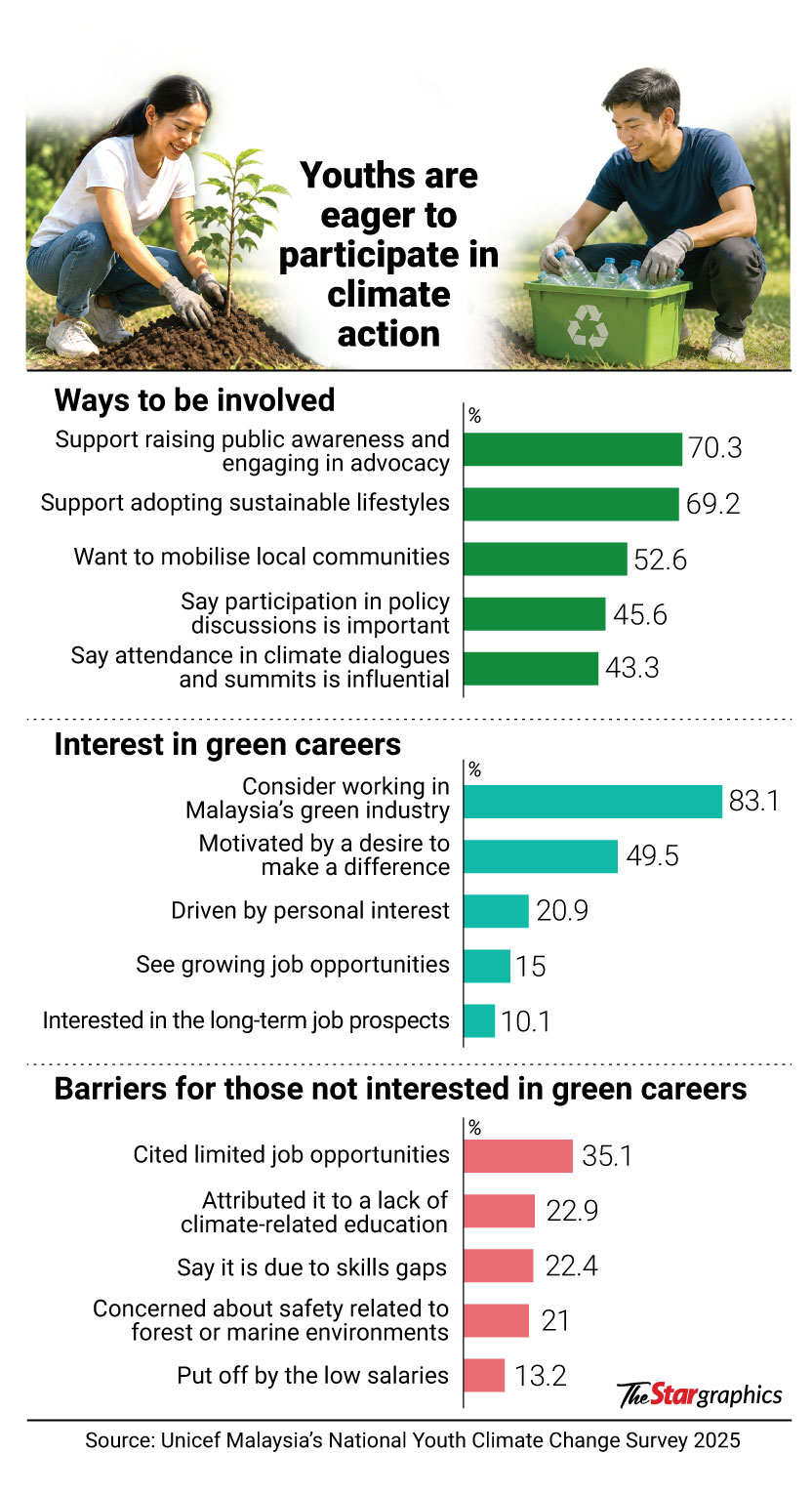
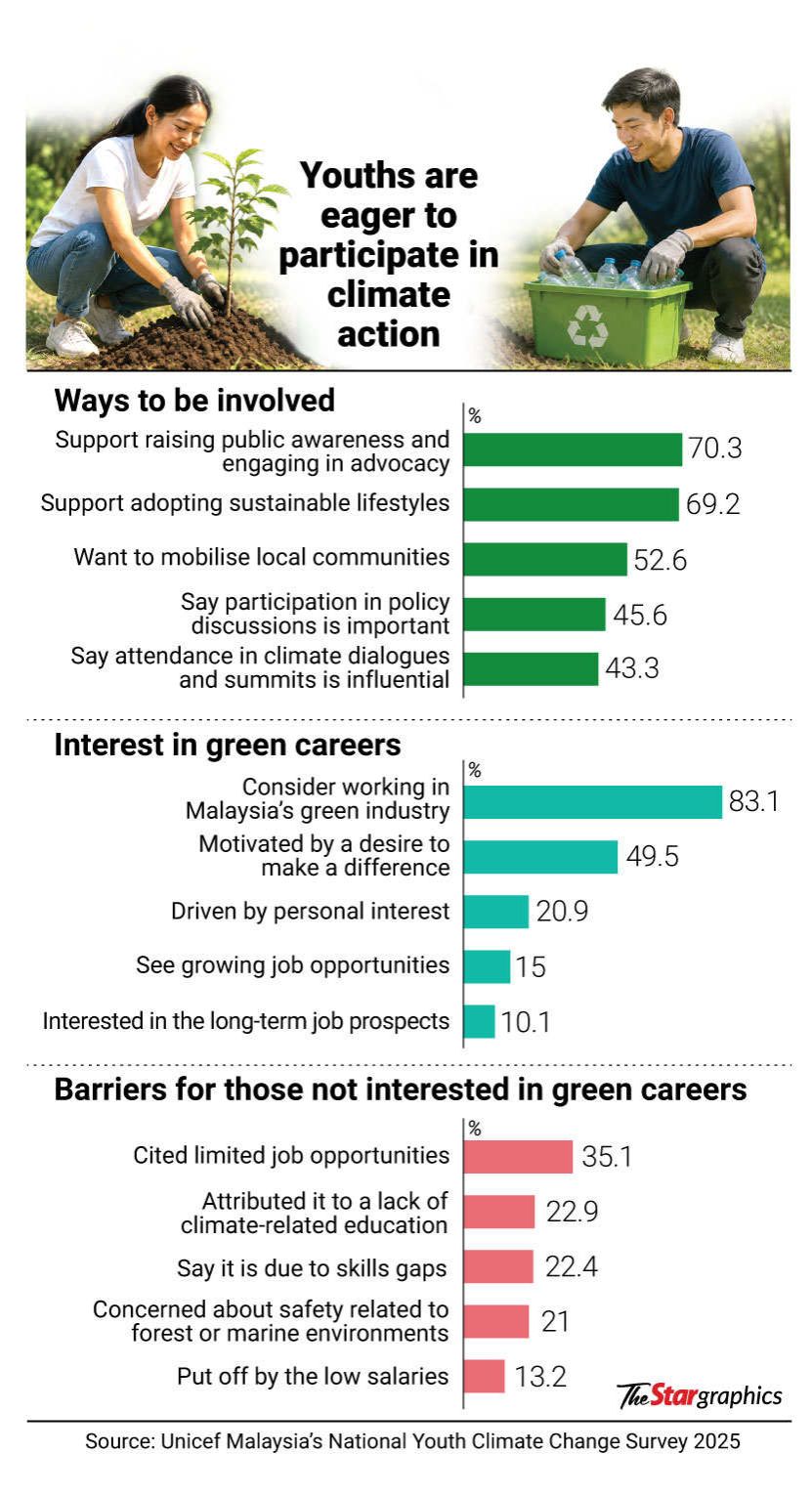
The survey suggests many young Malaysians are ready to play a role, with more than half (52.6%) of the respondents wanting to mobilise their local communities, while 45.6% believed youths should participate in policy discussions and 43.3% said climate dialogues and summits offered meaningful avenues to influence decisions.
The willingness to contribute also extends to careers, as more than eight in 10 respondents (83.1%) said they would consider working in Malaysia’s green industry, with nearly half (49.5%) saying they were motivated by the desire to make a difference.
It appears that young Malaysians increasingly see themselves not just as the generation that will inherit climate change but as part of the solution as well.
For Unicef Malaysia’s climate and disaster data coordinator Jonathan Lee, the survey makes it clear that young Malaysians are already acutely aware of the impacts of climate change.
“As such, we should give them a platform and create opportunities for them to express their views on climate change,” he says.
Beyond opportunities to express their views, Malaysian youths are also struggle to find pathways into the green economy.
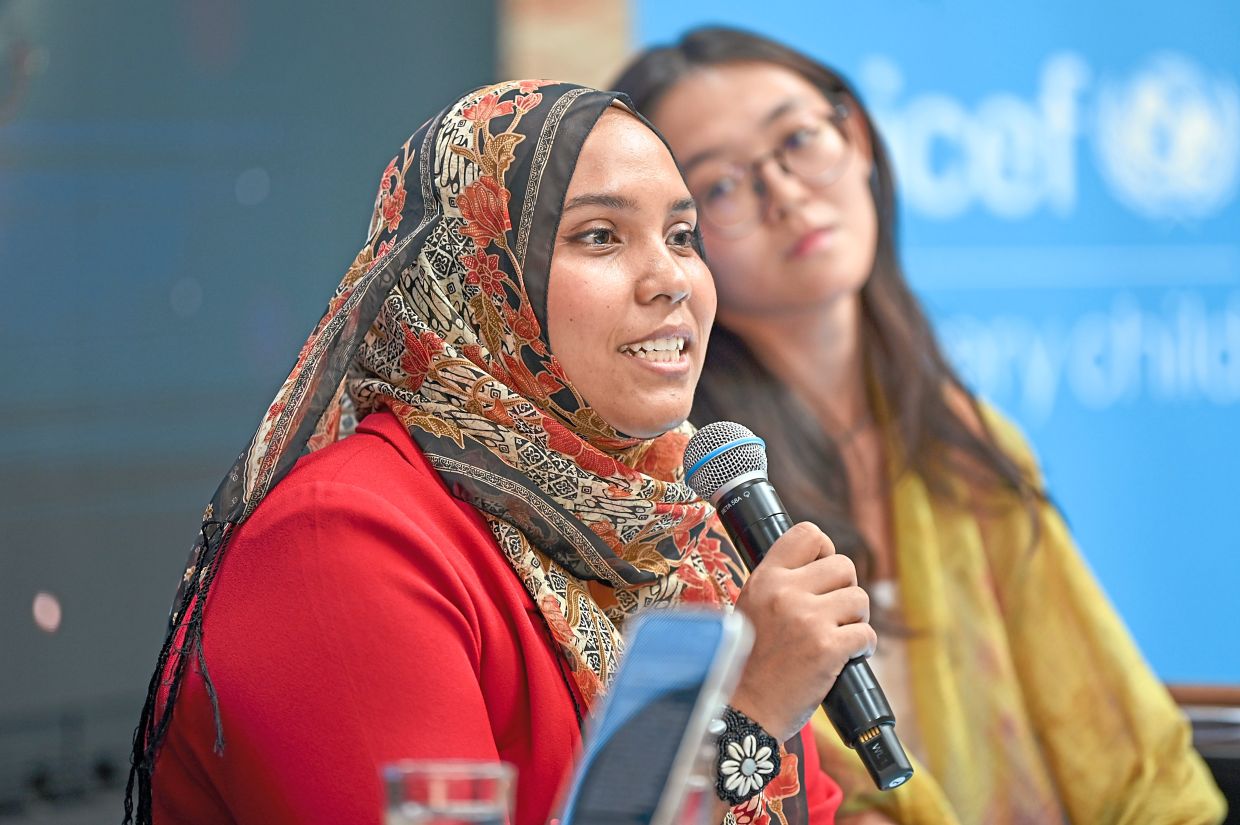
Youths United for Earth co-founder Nurfatin Hamzah says despite the interest from her peers in pursuing a career in the green industry, there is a distinct lack of entry-level jobs.
“We definitely see green jobs as something sexy, like people will say ‘Wow, how cool to enter (the green industry)’.
“But the truth is, when we look closer, it is very difficult to gain a foothold, especially at the entry level,” she says.
Even when such opportunities are available, the pay tends to be low, which ends up putting off many interested young applicants.
Nurfatin says this presents a gap that policymakers can address, starting with expanding the definition of what constitutes a green job.
“We can start by thinking that green jobs aren’t just about going into the forests or working with animals only.
“There is an element of ‘greenness’ that we can include and it doesn’t matter in whichever industry, be it in the legal industry, or AI technology or communications,” she says.
At the same time, more youths are becoming increasingly creative in looking for careers in the green industry, she adds.
“Right now it’s very much a borderless world. Even I am currently working remotely with an international non-profit organisation and so are a few of my friends.
“So us youths are not just passive victims.
“Despite all the doom and gloom, we can still find the positives,” Nurfatin says.
But creating and finding these opportunities is only part of the equation.
For climate action to be truly inclusive, youth advocates say it must also reflect the vastly different experiences of young Malaysians, including those with disabilities.
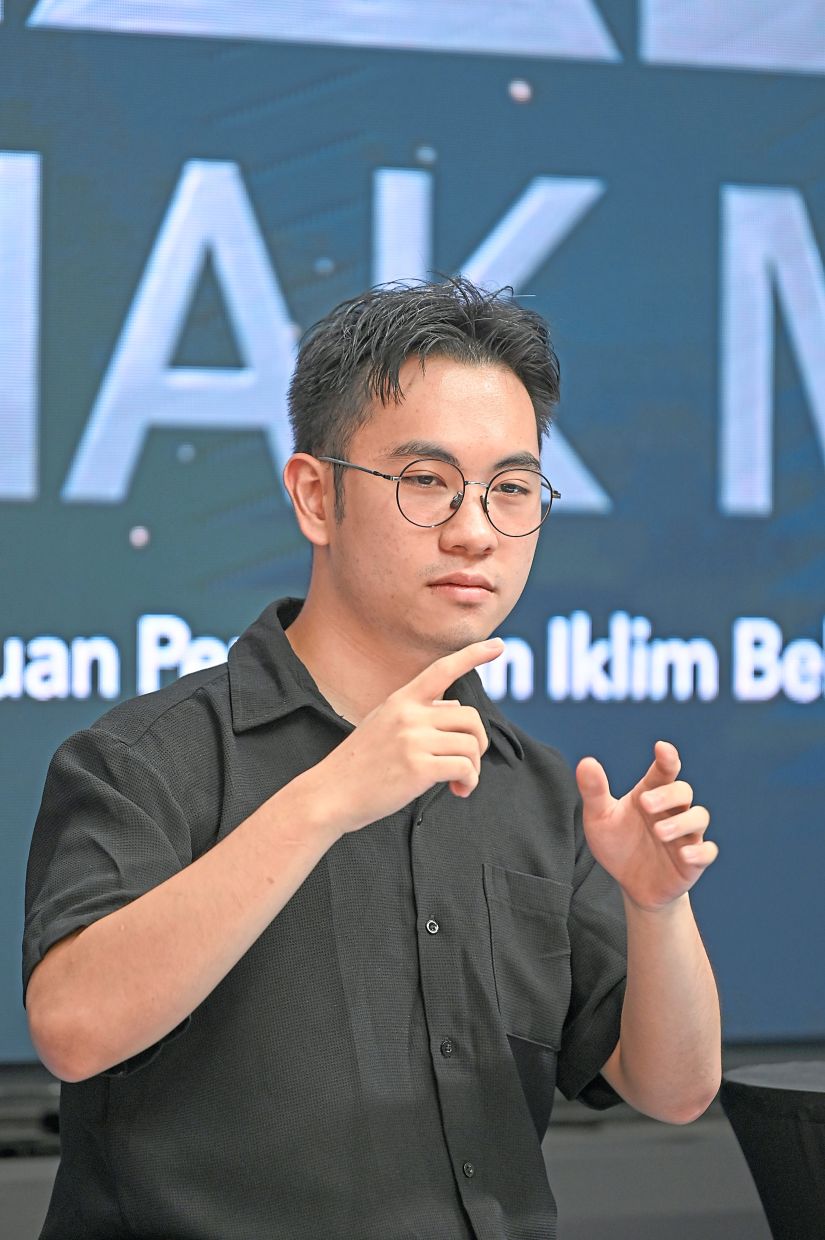
Youth deaf advocate Ong Zi Kin says the experiences of those with disabilities are often overlooked in broader climate discussions.
For example, during emergencies, rescue workers often rely on verbal instructions or alerts that may not be effective for deaf communities, particularly during severe weather conditions.
Relying on written communication during climate emergencies may not be feasible either, so Ong suggests that the best way would actually be for rescue workers or society in general to at least learn some basic sign language.
Simple considerations like these highlight the need for climate change policy to include representation from those with disabilities, says Ong.
The youth advocates also push against the idea of tokenistic or last-minute representation of young people in discussions around climate change.
Marecet Research Organization field liaison and community engagements officer Chok Jia Xuan recounts her experience speaking to fishing communities who expressed helplessness despite presenting their protests against land reclamation to Putrajaya.
“They say things like ‘Oh we’ve gone to Putrajaya but there is no use’, so I feel like there is a lot of helplessness and hopelessness.
“So I really wish that these communities like the youths can be involved since the beginning of the project planning, and not just towards the end when the project is almost finished and then only they do consultation (with stakeholders),” she says.
For the advocates, involving young people and affected communities earlier in decision-making is not simply about making consultations more inclusive.
It is also about recognising that many are already contributing to climate action in their own ways.
Whether through community initiatives, green careers or advocacy, many young Malaysians are already finding ways to contribute despite the barriers they face.
For Lee, it is time for policymakers to acknowledge that reality.
“Young people are often labelled as leaders of the future.
“But through our work, and I believe through the work of the other advocates as well, we see that young people are already taking action.
“They are already doing their part in the fight against climate change.
“Perhaps it is time we stop thinking of young people as leaders of tomorrow and start recognising them as the leaders of today.
“That is why it is so important that their voices are included in decision-making and policymaking.”
Voicing their concerns
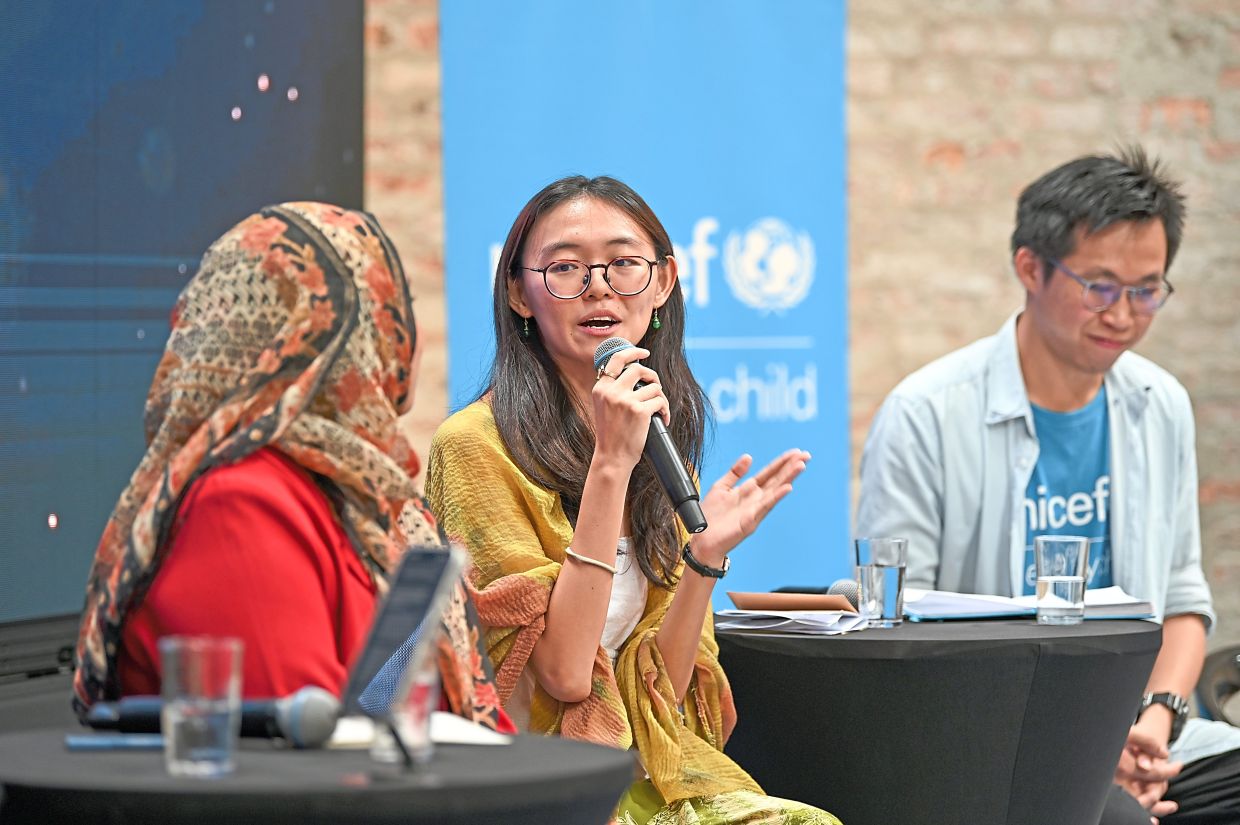
Chok says affected communities should be included in climate policy discussion from the very beginning.
Nurfatin says despite the lack of entry-level green jobs for youths, many are becoming more creative in carving their own paths in the green industry.
Accessibility for people with disabilities needs to be considered when formulating climate action policies, says deaf youth advocate Ong.
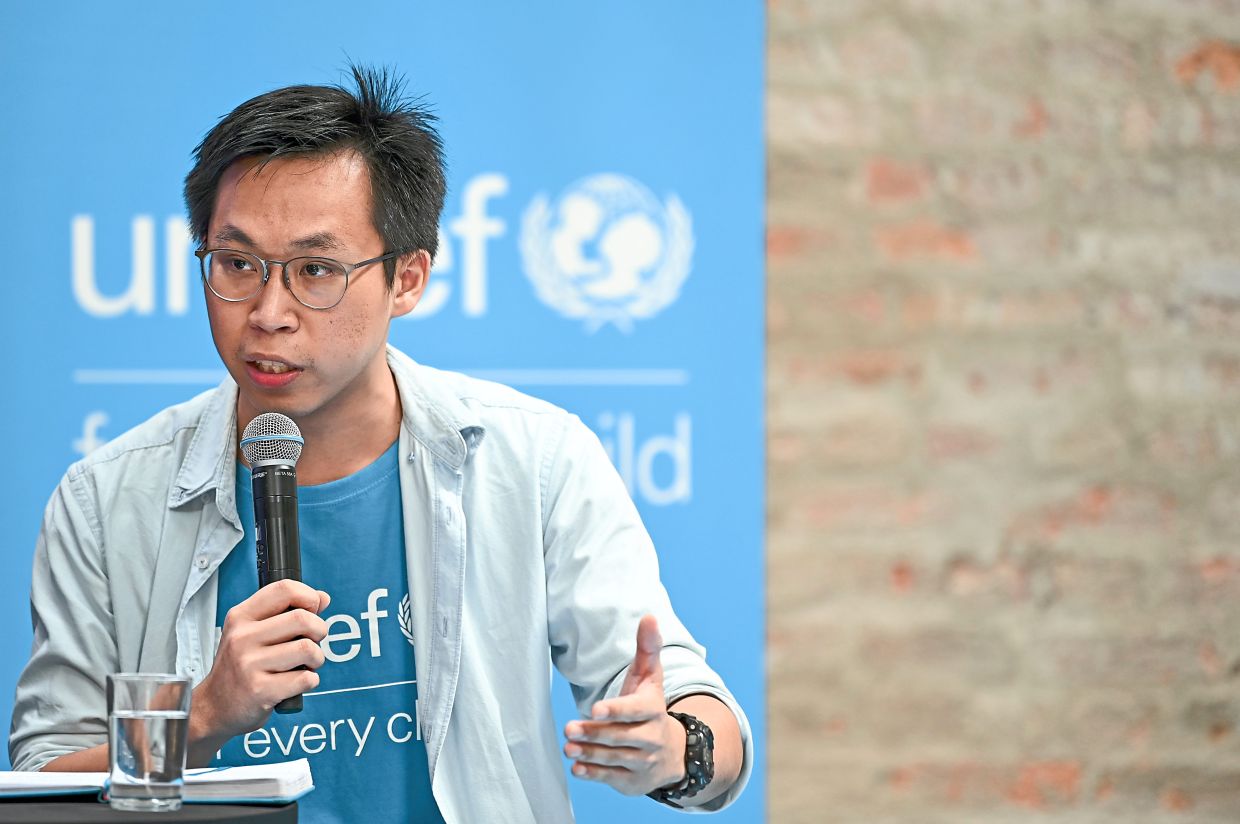
Lee says young people should not merely be considered leaders of tomorrow, as they are proving that they are leaders of today in climate action.