
TO Michael Townsend and his co-workers, maintaining an outdoor rink as the winters get warmer felt like a Sisyphean task.
Townsend and his crew increasingly worked overtime flooding the rink at Eugene T. Mahoney State Park in Ashland, Nebraska, with water and driving a Zamboni throughout the night to maintain the ice.
When the 26-year-old rink needed to be replaced in 2024, Townsend found that new compressors to chill the ice and pipes underneath the rink would cost US$2mil, a steep price for a rink that attracts about 7,500 skaters a season.
So the park replaced the ice with high-density polyethylene, which is durable, easy to assemble and cheap to maintain.
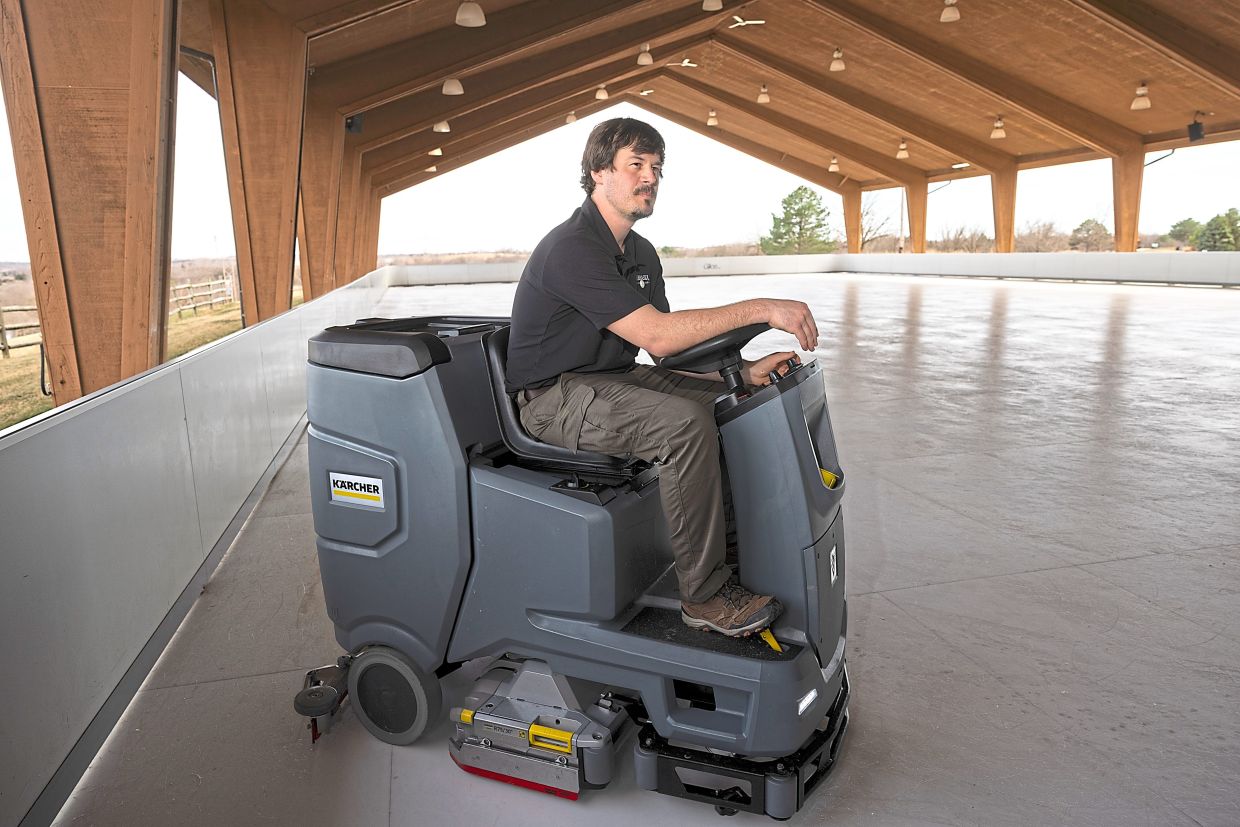
This plastic surface also performs largely like ice, albeit with more friction, and skaters use regular ice skates.
The price tag? About US$350,000, including maintenance supplies.
“It was a needed transformation,” said Townsend, who is an avid skater. “It was going to be no skating or look for something that was more cost efficient.”
Climate change has wreaked havoc with many sports.
Increasingly, severe storms delay golf and tennis matches.
Intense heat has led to mandatory water breaks at the World Cup.
But few sports have been affected as much as those played on ice and snow.
At the 2026 Winter Games in Milan Cortina, skaters and skiers complained of soft and slushy surfaces.
Rising temperatures have reduced the amount of pond ice where young people in northern climates learn to skate.
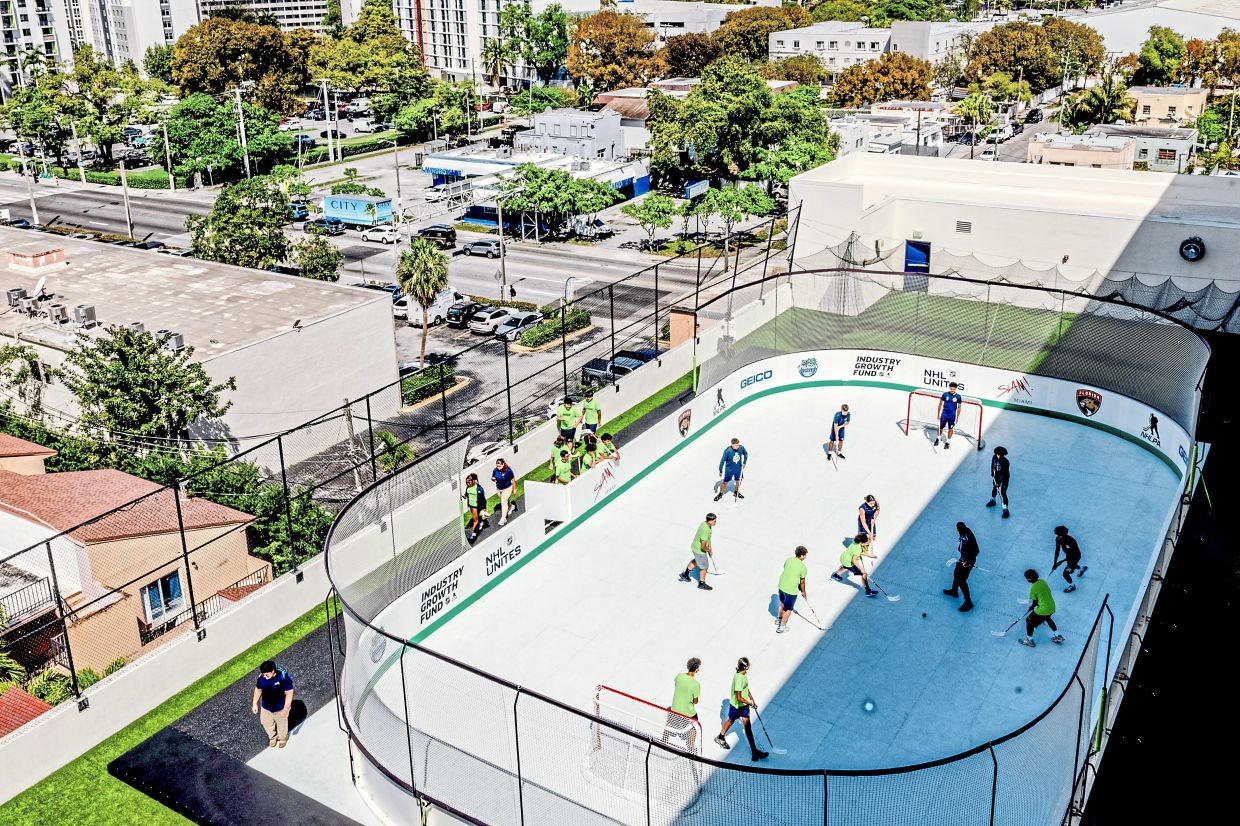
Warming temperatures and ageing rinks, which can leak dangerous chemicals into the atmosphere, have led more rink operators to turn to plastic ice.

Conventional ice rinks require refrigerants, lots of fresh water and electricity, and, if they are indoors, energy-intensive dehumidifiers.
Some older rinks also have leaky pipes that can allow ozone-depleting chemicals like hydrochlorofluorocarbons, or even toxic and flammable ammonia, to escape, posing an environmental and health hazard.
According to Glice, a large plastic ice maker, the market in the United States, including potentially one million backyard rinks, is worth US$5.4bil.
Randy Scharberg, a salesman at Xtraice, another synthetic ice company, estimates that several hundred full-size synthetic rinks are in operation across the United States. The NHL uses plastic ice at some of its training facilities.
Some environmentalists are alarmed.
Turning to plastic, made from fossil fuels, is fraught.
Plastic production is projected to surge in the coming decades and will account for a growing share of emissions of planet-warming gases, said Allen Hershkowitz, a former senior scientist at the Natural Resources Defence Council and the founder of the Green Sports Alliance.
“The paradox is that, while trying to limit leaking of refrigerants, they’re increasing the production of plastics,” he said. “I don’t want to see hockey go away, but this is a real issue and hockey needs to take a hard look at it.”
There is also the issue of microplastics, the plastic particulate pollution that has become ubiquitous in the environment.
Microplastics have been found in human blood, lungs and placentas, raising concerns about their health effects.
Plastic ice rinks almost certainly generate microplastics because they are made of polyethylene and exposed to constant friction from skates – but there has been little rigorous study of how much is produced, said Sanjay Mohanty, an associate professor of environmental engineering at UCLA.
“Even seemingly small amounts, like a couple of grams of plastic shavings per square metre per month, translate into millions of particles,” he said.
When Townsend took a spin around his new rink recently, a line of white residue was left on the blades of his skates. He later drove a specialised floor polisher over the rink that smoothed out the surface and swept up a small pile of shavings.
Viktor Meier, a co-founder and the CEO of Glice, said he was developing new synthetic ice that would reduce the indentations created by skates, which would reduce the amount of microplastics. He said this would increase the amount of glide and decrease the amount of shavings.
Still, the concerns about synthetic ice must be weighed against what it is replacing: a single traditional rink can emit hundreds of tonnes of carbon dioxide annually, according to research by the Canada Green Municipal Fund, a government agency that funds sustainable infrastructure. Producing a five-tonne plastic ice rink would produce a fraction of that carbon footprint.
A one-time purchase of a plastic rink has a lower carbon footprint than the huge amount of electricity required to run refrigeration compressors for a traditional ice rink, said Matthias Scherge, a researcher at the Fraunhofer Institute for Mechanics of Materials in Germany.
“It’s definitely a big difference,” he said.
In Nebraska, Townsend said his new rink has a 12-year warranty. Glice told him that after a decade or so, he could flip over the tiles and skate on the other side.
On a sunny day with the temperatures near 24°C, Michelle Lewis brought her son and daughter to the Nebraska rink, which she did not know had been replaced with synthetic ice.
The children, who previously used roller and in-line skates, wobbled across the ice like beginners.
“This is how they look when they’re ice skating,” Lewis said. — ©2026 The New York Times Company
This article originally appeared in The New York Times