



AS Malaysia’s families grow smaller and extended kinship networks thin out, questions about managing caregiving, family duties, and emotional pressure are becoming more present in everyday life.
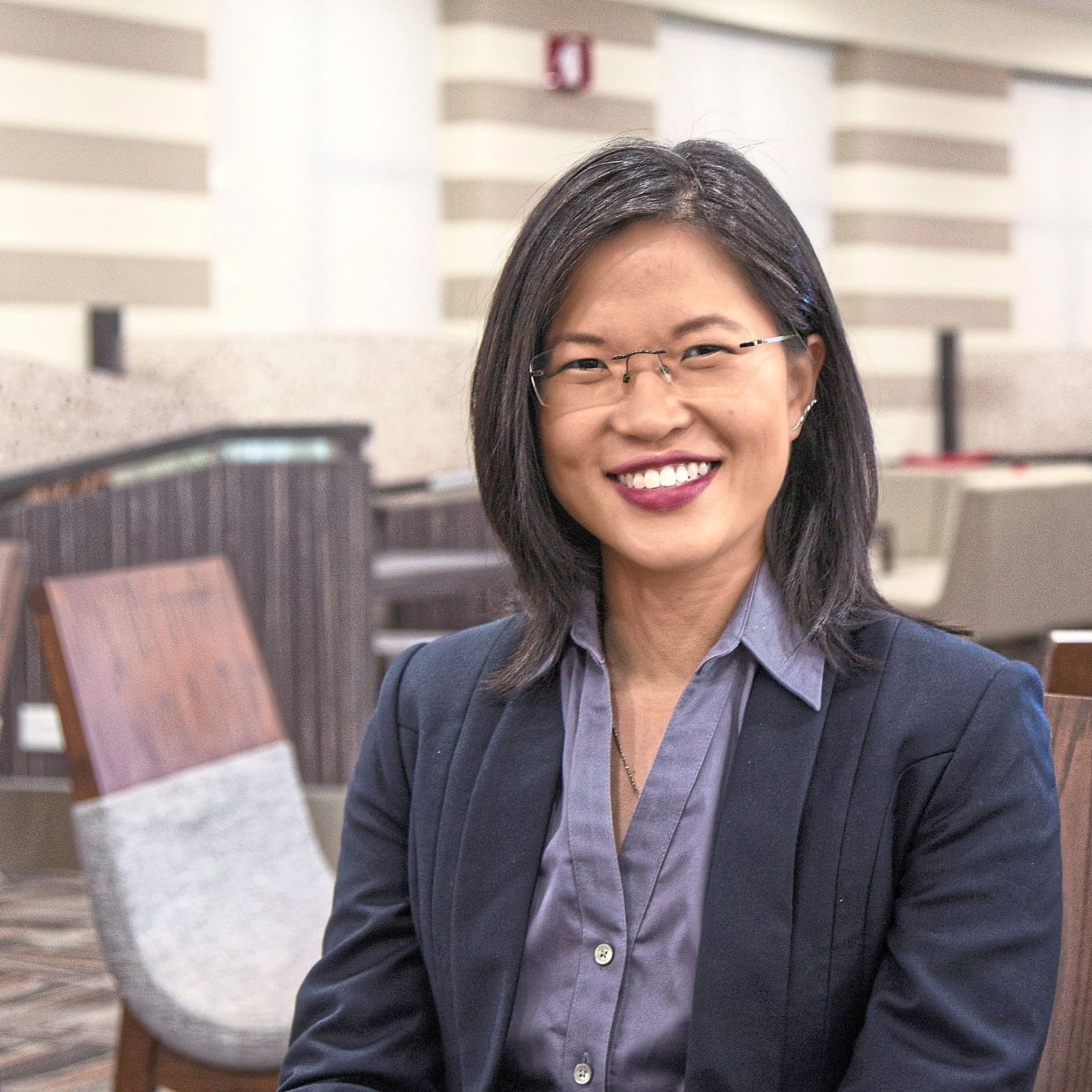
Clinical psychologist and founder of mental health NGO Relate Malaysia Dr Chua Sook Ning says the way a family is structured can shape how expectations are placed on children from an early age.
“In single-child families, hopes and anxieties can become more concentrated,” she says.
“Parents can place strong emphasis on academic success and future stability because their investment is focused on one child.”
While she notes that parental expectations exist across all family types, she says children without siblings may experience these pressures more acutely.
In adulthood, Chua says caregiving responsibilities may also become more concentrated for only children, particularly when supporting ageing parents and grandparents.
She cautions, however, that caregiving burdens are not necessarily more evenly distributed in larger families, and sibling presence does not guarantee shared responsibility.
“Even in larger families, caregiving is rarely divided equally. Caregivers without support often experience financial strain, career disruption, and emotional exhaustion,” she says, adding that this burden tends to fall more heavily on women.
When expectations meet reality
On a broader societal level, Malaysia’s traditionally strong reliance on extended kin networks for support may come under strain as families become smaller and lifestyles change.
“As family sizes shrink, these expectations may remain, but the ability to meet them becomes more limited,” Chua says.
“This creates tension between cultural expectations and practical capacity due to smaller families, urban migration, and dual-income households.”
She explains that this mismatch could increase pressure on individuals unless high-quality and accessible institutional support systems, including healthcare, elder care services, respite care, and financial protection for caregivers, are put in place effectively.
Coping strategies at the individual level, such as early planning and open family communication, can also help avoid burnout. Support groups, counselling, and workplace flexibility can also help reduce isolation and strain, she says.
Quality social systems are key
Chua says there is little evidence to support the assumption that only children are less social or less well-adjusted.
“What matters more than family size is the quality of parenting, the emotional climate at home, and access to peers and support,” she says.
“An only child might be more comfortable with adults or solitary time, but that doesn’t mean they struggle socially.”
Chua also cautions against oversimplifying the issue by idealising larger families or pathologising only-child households.
"Any family unit system will have its challenges, and there are no guarantees that larger families will provide care or safety nets further down the road," she notes.
She says the key issue is whether caregiving and responsibility are shared sustainably, and whether social systems are evolving to meet changing demographic realities.
