



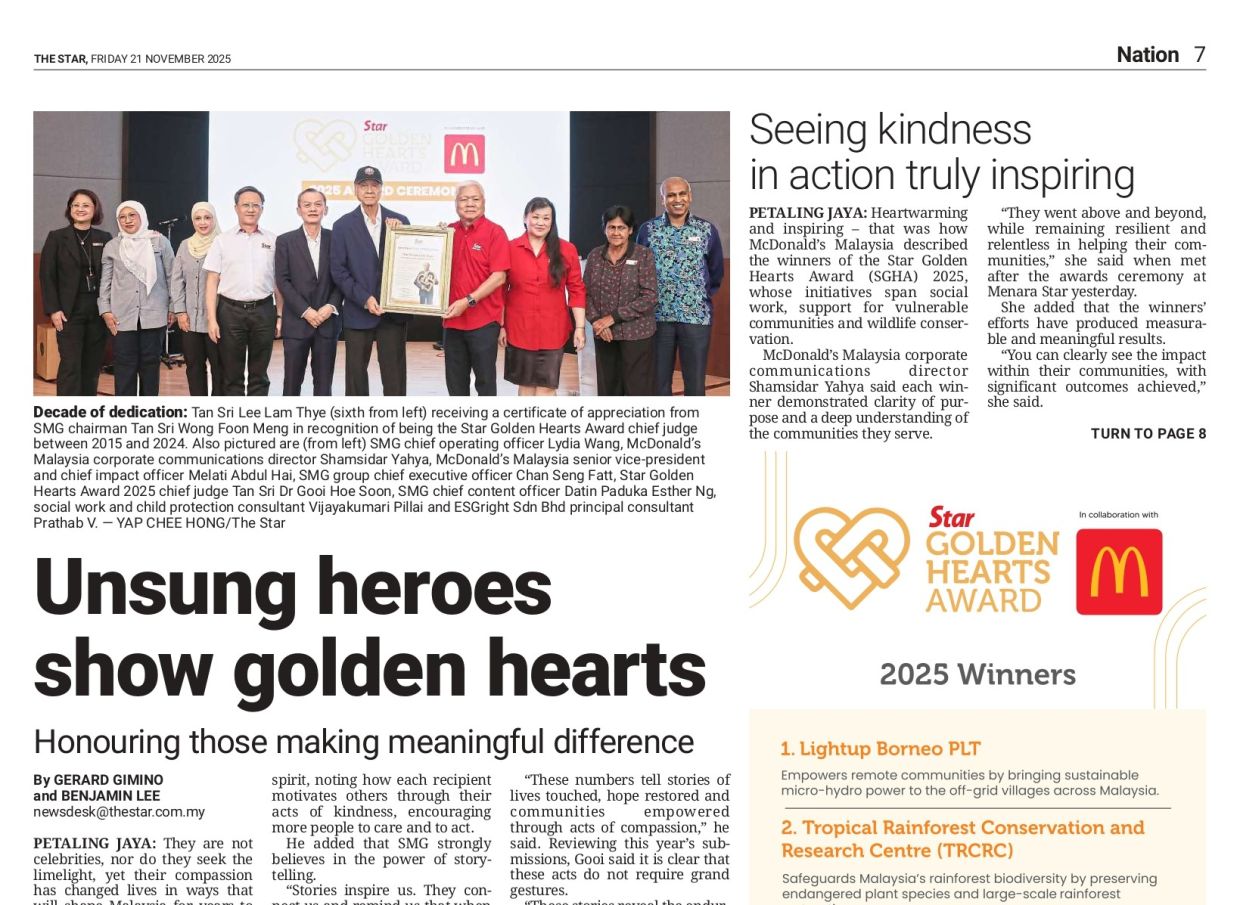
TAN Sri Lee Lam Thye is widely recognised as one of Malaysia’s most respected social activists. Over the years, the former Bukit Bintang MP has been a tireless advocate for workers’ and public safety, crime prevention, mental health awareness, fire safety and community development.

In an interview with the Sunday Star to celebrate The Star’s 55th anniversary this year, Lee reflects on Malaysia’s current trajectory, the values that should guide nation-building and the evolving role of the media in empowering citizens.
> Malaysia faces challenges from public safety to youth wellbeing, how do you see the nation’s current trajectory, and what values should guide us in building a safer, more compassionate society?
Malaysia’s effort to build a safer and more compassionate society should be anchored on a set of strong and shared values. These values not only shape public policy but also influence the behaviour of institutions, communities, and individuals.
Every individual must be treated with dignity regardless of race, religion, gender, age, or social background. When society respects human dignity, issues such as bullying, discrimination, violence and neglect are less likely to occur. Policies and enforcement must always protect the vulnerable, including children, the elderly, persons with disabilities, and those facing hardship.

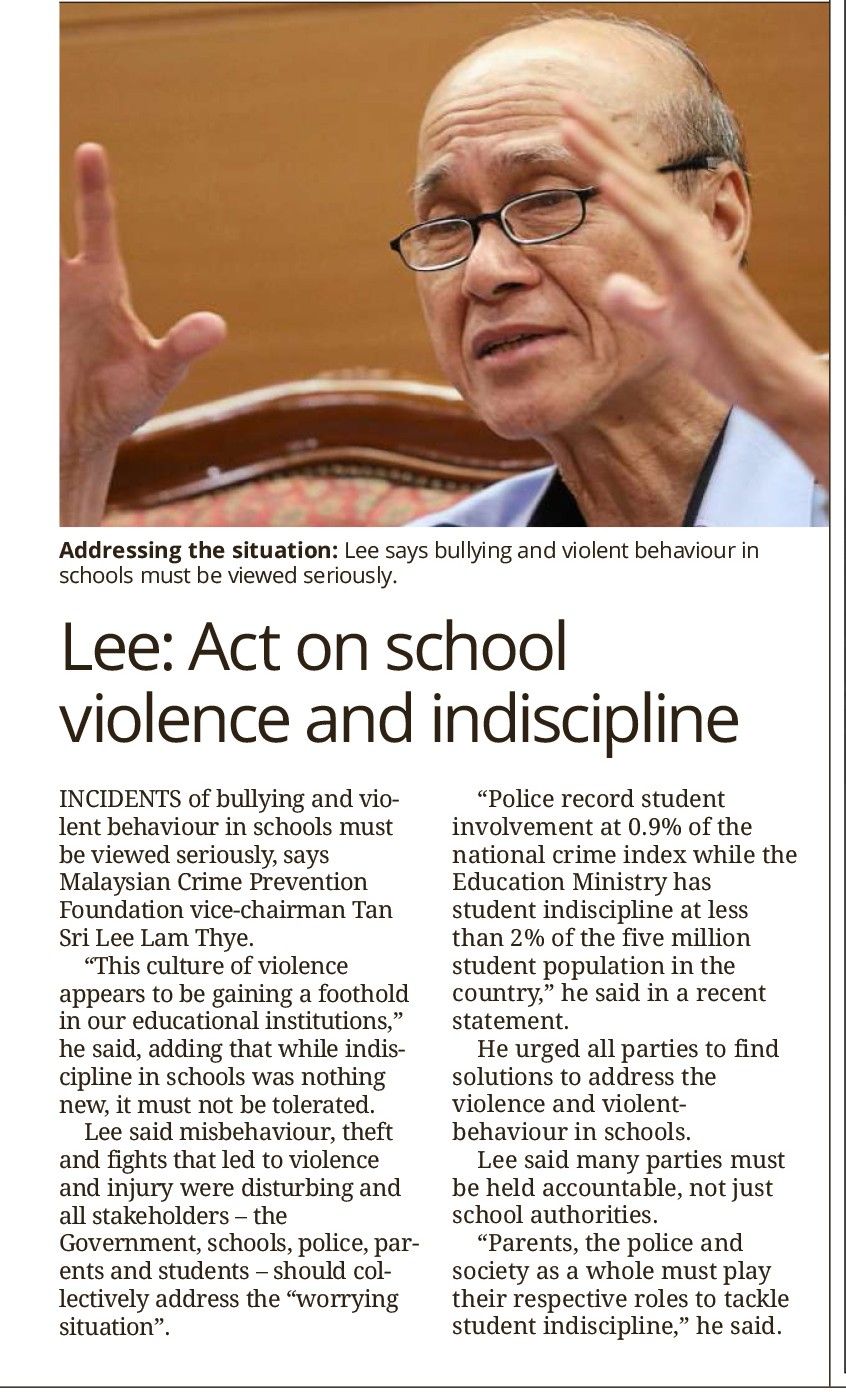
A safe society requires individuals, institutions and leaders to act responsibly and be accountable for their actions. Whether it is public officials, employers, educators, parents, or law enforcement agencies, everyone must uphold ethical standards and accept responsibility when things go wrong.
And of course, compassion should guide how we address social issues such as poverty, addiction, mental health challenges, and youth problems. Instead of stigma and punishment alone, society must emphasise rehabilitation, support systems, and understanding.
> Given your long-standing role in community advocacy, what more do you think media organisations like the Star Media Group (SMG) should do to highlight issues like drug abuse and mental health, so that they truly empower citizens rather than just inform them?
The media can move beyond episodic reporting to sustained public education. It should run continuous awareness campaigns, special segments and regular columns that educate the public on prevention, early warning signs, and available support services.
Reporting also should include clear, actionable information. For example, stories on fire incidents can include tips on installing smoke detectors and preparing evacuation plans. Reports on drug abuse can highlight warning signs and available rehabilitation services, while mental health coverage can guide people on where to seek professional help.
Among others, the media must also investigate systemic weaknesses – whether in building safety, drug enforcement, or mental health services. Responsible investigative journalism can push authorities and institutions to improve policies and enforcement.
Media organisations can also promote community initiatives such as neighbourhood fire safety programmes, anti-drug campaigns, and mental health awareness events, turning citizens from passive readers into active participants in prevention efforts.

> Looking back at The Star’s journey, how do you think the organisation has contributed to shaping public discourse and supporting Malaysia’s nation-building efforts?
Since its start in 1971, The Star has played a big part in bringing Malaysians together and keeping them informed about current issues and problems affecting the nation.
It has consistently been promoting the “Middle Ground”.
In a country with many different races and religions, The Star has been trying to keep the middle path. It has been giving a voice to people who want a peaceful, moderate Malaysia.
By focusing on what brings the people together rather than what pulls us apart, it has helped keep the peace.
Its “Letters to the Editor” and opinion columns have allowed regular Malaysians to share their views on various issues, making people feel heard.
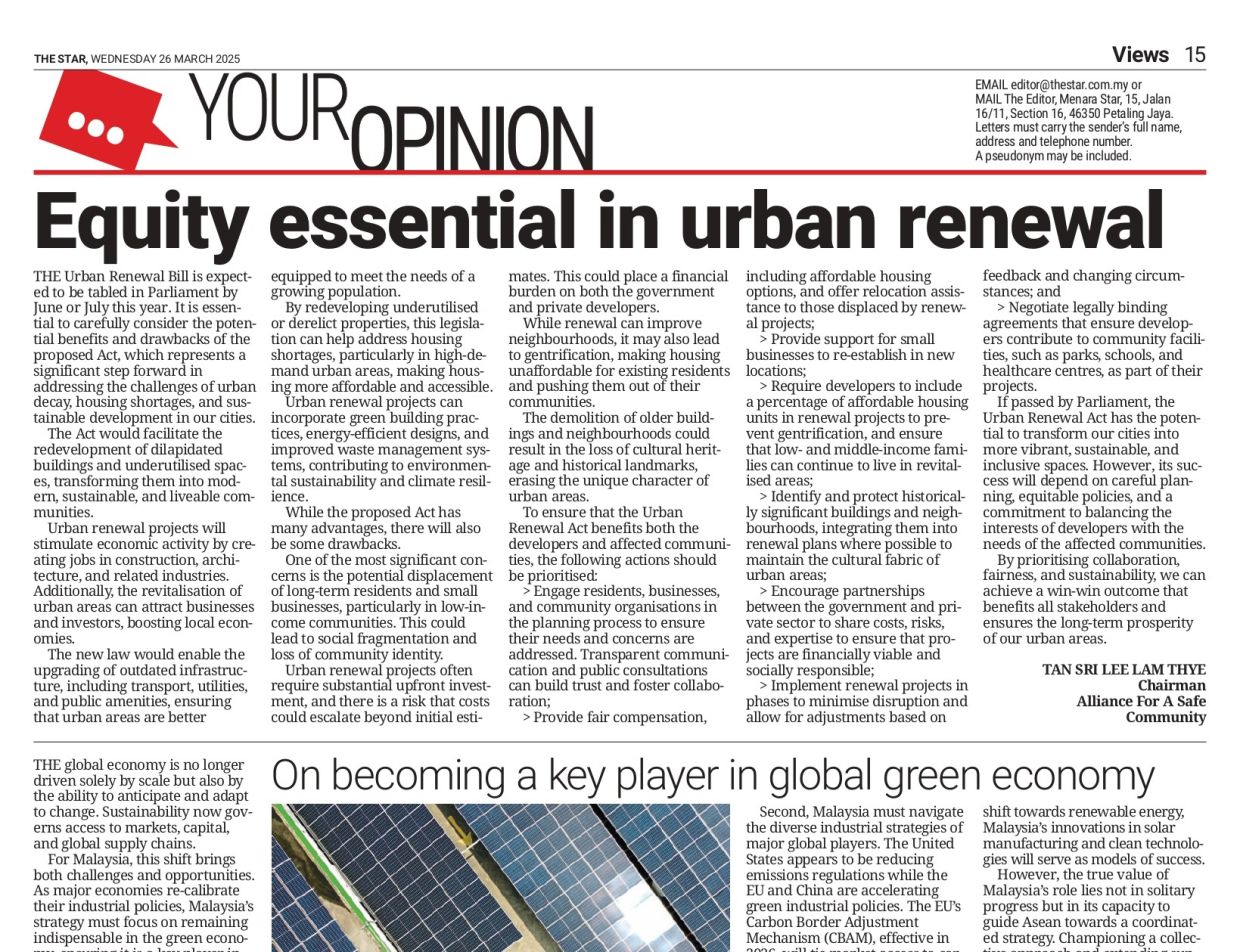
The Star has helped hold the government and local councils accountable.
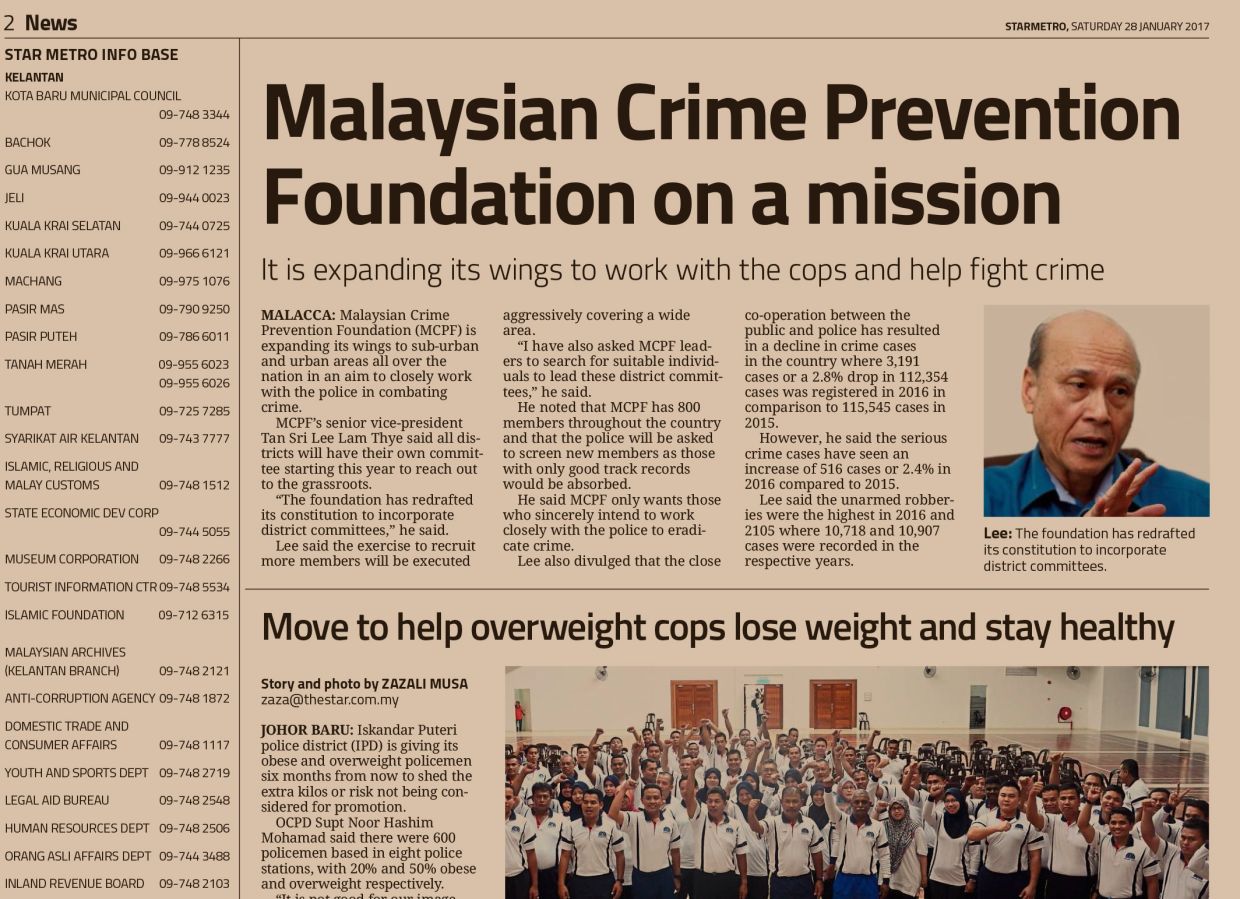
Through the StarMetro section, it has highlighted things like uncollected rubbish, bad roads, flash floods and many safety issues in the community.
Whenever the government introduced new laws or budgets, The Star has been breaking them down with explanations so the average person understands how it affects them.
Whenever there were disasters like fires or floods or road crashes, The Star was often at the forefront, helping to focus on the issue and its causes showing where help is needed most and what must be done.
In sports or in academia, wherever a Malaysian excelled, The Star made sure we knew about it. This has helped build national pride. In short, most readers have been seeing The Star as a reliable source of information for daily life, business, and community news.
It has built a bridge between the people and the leaders, helping to shape a more informed and united Malaysia. The paper is equally vocal in matters concerning animal welfare as it always provide coverage to expose cases of animal cruelty.
> In today’s rapidly changing media landscape, what more can media organisations like SMG do to better serve the people while shaping public discourse and supporting Malaysia’s nation-building efforts?
Trust begins with credibility. Media organisations must remain steadfast in verifying information before publication, avoiding sensationalism, and clearly distinguishing between facts, opinions, and speculation. Accuracy and fairness must remain the cornerstone of journalism.
And with the rapid spread of misinformation and disinformation on digital platforms, media organisations should invest more in professional fact-checking teams. By actively debunking false information and educating the public on media literacy, they can help safeguard society from harmful narratives.
And we must not forget that as artificial intelligence becomes more integrated into news production, media organisations must adopt clear ethical guidelines to ensure transparency, accuracy and accountability in how technology is used in journalism, in efforts to promote its ethical use.
Strengthening engagement with audiences through dialogue, public forums, community reporting initiatives, and digital platforms remains pertinent. Listening to the concerns of the public helps rebuild trust and ensures that journalism remains relevant to people’s needs.
#Star 55: Inspiring progress, shaping tomorrow
