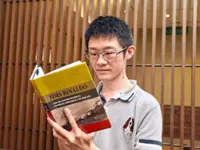
THE Selangor Incident of 1871 – when HMS Rinaldo shelled Kuala Selangor – was more than a colonial skirmish. In HMS Rinaldo, The Selangor Incident: Gunboat Diplomacy, historian Dr Junean Tham revisits this turning point in Malaya's past, drawing on Royal Navy logs, colonial dispatches, and rare eyewitness accounts.
As he tells the Sunday Star, his research reframes the episode not just as punitive action, but as part of Britain's wider imperial strategy, revealing how naval power shaped politics, trade and legitimacy in the Malay Peninsula.
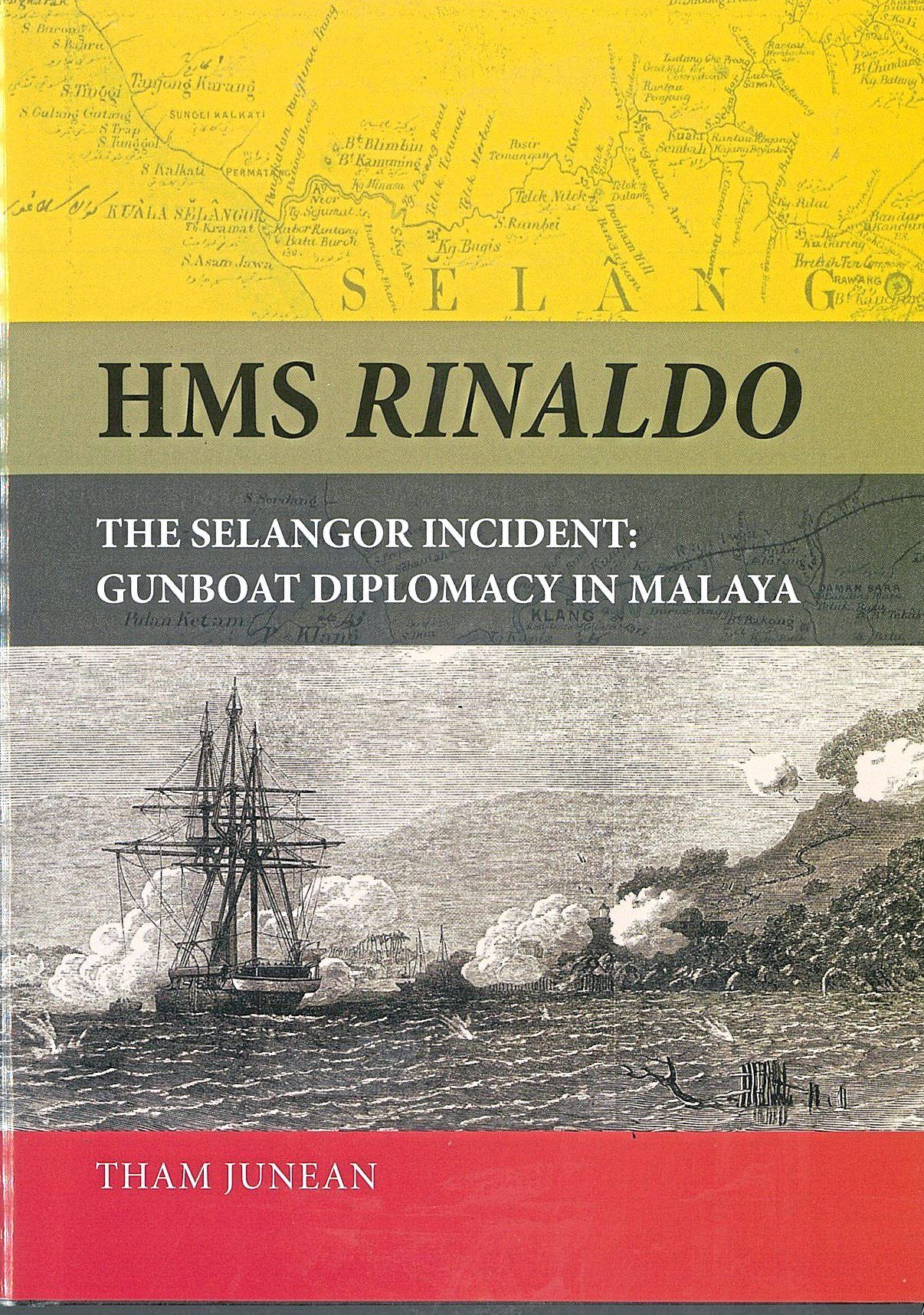
The book was also commissioned, published and dedicated to Sultan of Selangor, Sultan Sharafuddin Idris Shah on the occasion of his 80th birthday in December 2025 by Tan Sri Raja Arshad Raja Tun Uda, Datuk Dr Aljafri Abdul Majid, Datuk Henry Barlow, Datuk Richard Curtis, Datuk Stewart Labrooy and Datuk Carl Bek-Nielsen. Here is an excerpt of our interview with Tham.
> In reconstructing the Selangor Incident, what were the most challenging archival gaps you encountered, and how did you triangulate between naval records, colonial dispatches and local accounts to fill them?
Well, there were two most challenging gaps. The most important was first getting eyewitness accounts of the Selangor Incident, besides the reports already in the colonial records, as we wanted different perspectives of the Incident. Finding such sources proved surprisingly hard.
Basically, we (including team of researchers, editors) still had to rely mostly on the official records. Nevertheless, we did manage to find an eyewitness record which was reported in one of the UK newspapers at the time (of the incident), in the form of a letter from a Royal Marine Corporal who was serving on board of the HMS Rinaldo at the time.
In terms of the research for the book, (Some of the information we got were from) the National Archives in UK. We arranged with researchers based in the UK to obtain some of the records. A number of them were digitised in the UK so I was able to access them here.
And (for) other (information) I had to access like from university holdings of official records because I was at that time was still studying in UKM (for my doctorate). So, I just went to the library, accessed the colonial records that they had and referred to from there.
As to why the eyewitnesses' accounts are quite scarce, I think I wouldn't say it's not much talk about the topic, but there simply hasn't been any personal accounts that we could find outside the already published sources.
So, we really had to work hard to find additional sources but we only could find that one extra that we have included in the book.
Another challenge is ascertaining the background of the captain who commanded HMS Rinaldo in the Selangor Incident, George Robinson.
I wanted to investigate his background in an attempt to explain his motives during the Selangor Incident. The surname Robinson was quite common in the UK and furthermore, he changed it after leaving the Navy upon receiving an inheritance in the 1880s.
I was lucky enough to piece together his background but existing records do not shed much light on his personality, particularly since he was a bachelor and died unmarried, and his personal papers were likely lost or discarded after his death.
> Much of Malayan history is told through administrative reports. How did focusing on Royal Navy logs and technical documents change the way the incident is understood?
Of course much of the history is told through administrative reports. I focused on Royal Navy records because I've been reading what previous scholars have been researching on the history of Malaysia at the time, and I found that there has been only a handful of researches done utilising Royal Navy sources.
So, I decided to focus on that (Royal Navy logs and reports) basically as a means to illuminate the history of Malaysia through a slightly different angle using previously unreported sources and also because many of our history is written from the perspectives of colonial officials or influential tradesmen in the region.
The focus on Royal Navy records also illustrates or showcases the perspective of sailors - basically people who were serving in the region at the time. They had no permanent or like lasting attachment to the region except for the time that they were serving, but are also enlightening by the way they approach certain problems or like events like the Selangor incident through their own eyes, actions and thoughts.
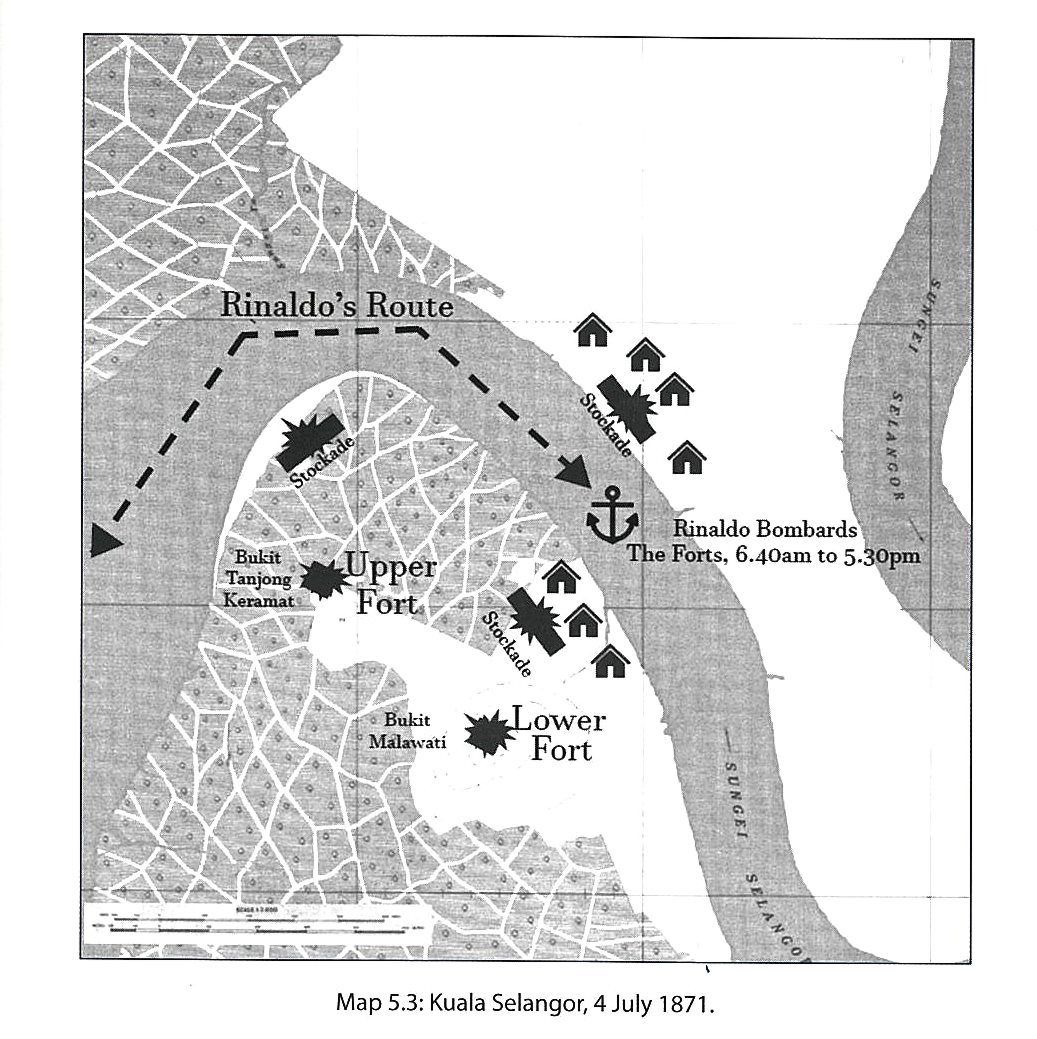
When it comes to anecdotes, what surfaces on the mind first is the human cost of the Selangor Incident. We in Malaysia remember it as a colonial attack on local Malays in Bukit Melawati, Kuala Selangor, but the record also tells of injuries suffered not just by the local Malay warriors but also the battle damage and injury suffered by the sailors who were serving on board.
Another anecdote would be the Navy's observations about serving in the Straits of Malacca, their comments about the hot climate. Such was reported in the medical records at that time.
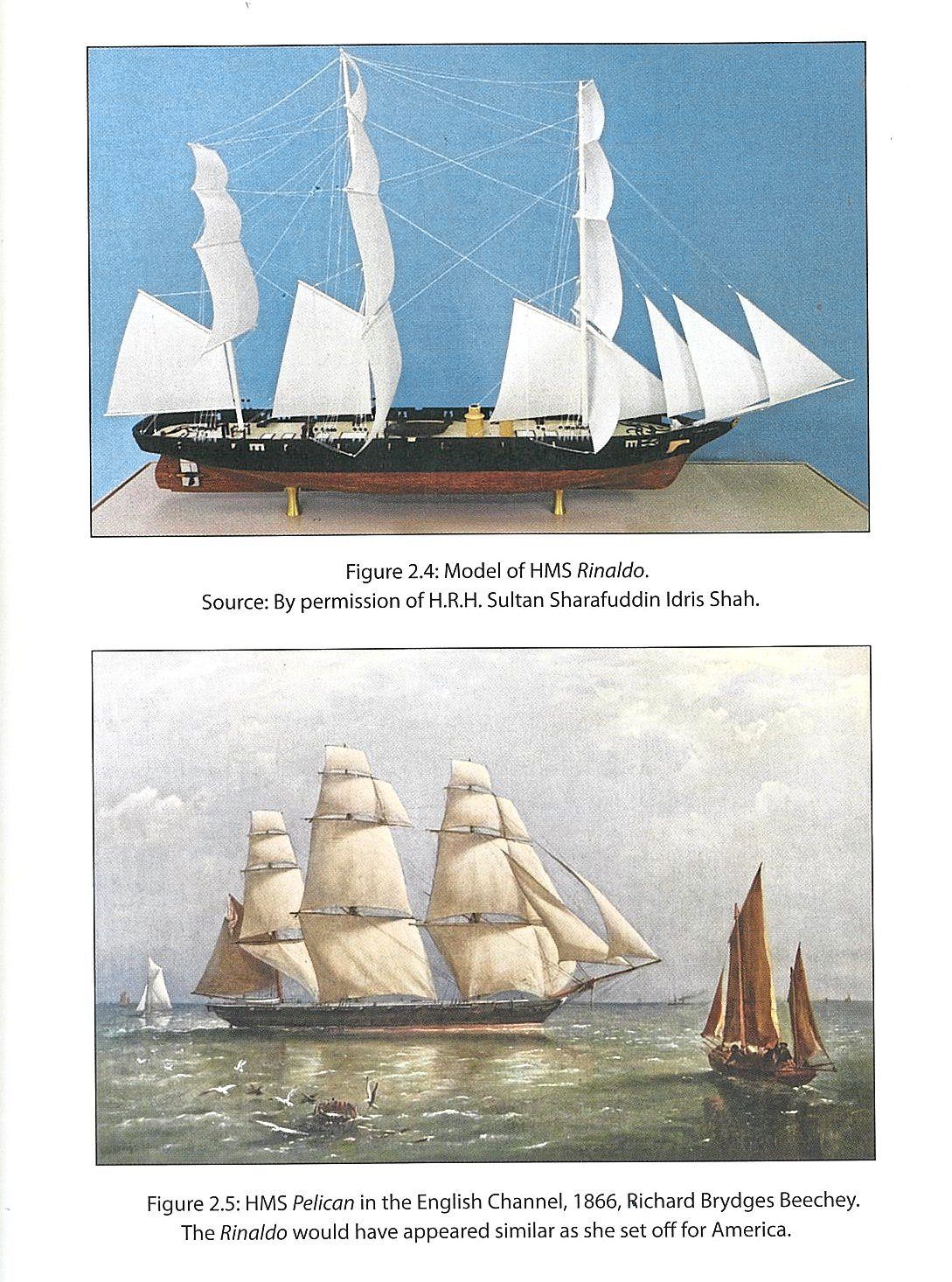
> HMS Rinaldo's specifications and service history are highly technical. How did you decide what level of naval detail to include without overwhelming readers who are more interested in the political story?
Right from the beginning, the plan is that for the book not to be overly technical, not an overly academic publication, but one with more geared towards the general public or those who are interested in history as a whole. Basically, the writings are solely developed from them.
I also have to give a huge shout out to my editor Jesse Norton who has proved invaluable in helping to tone down some of my more academic or maybe more likely modern, deep and sometimes technical-like sentences in a book, to render them into an easier read.
One example of naval jargon that is not in the book is the damage done to HMS Rinaldo during the Selangor Incident. The information was very technical and used many naval terminologies, which was excluded in the book, to avoid overwhelming readers
I took slightly more than a year to finish writing the book. The process of research and writing went on at the same time. I'm also grateful to the sponsors of the book, the Malaysian Branch of the Royal Asiatic Society (MBRAS) and of course my PhD supervisor at the time, Associate Prof Dr Mohd Samsudin (correct), who is now already retired. He's a noted scholar and offered valuable advice and comments that made the book better.
> Your book blends military history with colonial politics. Did you consciously adopt a narrative style closer to a naval chronicle, or a broader historical feature, and why?
We intended for to be more for a general audience but at first the focus was really about the Selangor Incident but I was going deeper into the research, I had to look into the history of the ship HMS Rinaldo as well. There wasn't really much information online about it (the ship), apart from a bare summary of the career detail where it was stationed in during its time of service.
But then the more I researched the more I found that the history of the ship itself was basically almost as rich as that of the Selangor Incident. For instance, it served in quite a number of different theaters (regions where naval operations take place) in notable incidents. For example, it also served during the American Civil War in the 1860s, and played a role in the Trent Affair in 1861, a major diplomatic incident when the United States and Britain nearly went to war. At the same time, quite a number of like famous historical figures also either went on board or they were they were serving on the ship.
One of the most famous example I would give was Lord Jackie Fisher (also known as Admiral of the Fleet John Arbuthnot Fisher, 1st Baron Fisher). He was responsible for the construction of construction of HMS Dreadnought, the first all-big-gun battleship, which revolutionised naval warfare.
He was actually serving in China Station at the time. Later, he stopped by at Singapore on his way home to the UK, and met the captain (Captain George Robinson) of the HMS Rinaldo a few months after the Selangor Incident.
> Many accounts frame the incident purely as British punitive action. What perspectives from Selangor's rulers, traders, or communities did you uncover that complicate this narrative?
> The findings of the book generally reinforces whatever that is published about the Selangor Incident. It was a case of clear case of gunboat diplomacy that provided a catalyst in later extending British influence over not just Selangor but the entire Malay peninsula. One thing that I would say, is an example of how it reinforces (the narrative) on the stance of major figures of Selangor is on the topic of loot.
Basically after the Selangor Incident, official records show that the parties who participated in it took some quantities of tin and gunpowder that belonged to the Malay warrior Raja Mahadi bin Raja Sulaiman (Raja Mahdi) as loot
The loot was later officially presented by the then Sultan of Selangor Sultan Abdul Samad to the British as the spoils of war.
We must remember that the tin actually that time belonged to Raja Mahdi who was involved in the Selangor civil war (Klang War) against Sultan Abdul Samad.
The fact that the act of the Sultan of Selangor then in presenting the tin to the British basically reinforces descriptions of him as a cunning, clever political figure who made the best out of a situation.
Although the Sultan was not in control over the Kuala Selangor area at the time of the Incident, the act of presenting the tin gave a subtle but clear signal to the British as to who was actually the ruler of Selangor, and that presenting the tin was a way of positioning himself as not hostile to the British, but someone they had to deal with, and also shoring up his legitimacy in the state.
> Is it true that histories of Malaya often treat the Selangor Incident as isolated? How do you situate it within the wider imperial pattern of gunboat diplomacy in Asia and Africa, and what does that reveal about Britain’s evolving colonial strategy?
I wouldn't call it an isolated incident because there were many cases of "gunboat diplomacy" during the period.
One of the more infamous examples of gunboat diplomacy during the period involves Sir James Brooke in 1849. During the Battle of Batang Marau in 1849, Brooke destroyed some 120 Dayak war canoes, causing more than 1,000 casualties. This was accomplished with the help of a Royal Navy warship.
To him it was a case of eradicating piracy but to his opponents actually what he was doing was advancing his own interests in Sarawak. So in cases such as the Selangor Incident itself is not an isolated case. It served as a catalyst for the later imposition of British influence throughout the Malay Peninsula.
And of course within the wider imperial pattern of gunboat diplomacy not just in Malaya but also like in the case of British naval activities in China or in Africa and so on, basically it fits in with the trends of the time that when naval force was utilised to expand British influence either directly or indirectly to various parts of the world.
Britain had a powerful, technologically strong navy at the time so they used it. The British naval policy at that time was to protect the interests of its citizens, of course British subjects and British overseas possessions, colonies and so on.
The Selangor Incident show that the initiatives of like local policymakers, like colonial officials on the spot, that they often utilise the purpose of the Navy in order to further their own ambitions and goals.
> What do you hope for readers to glean from the book?
The concept and use of gunboat diplomacy remains relevant today, despite the advancement of communications and technology. The act of using naval forces to influence policy or decision-making on other states, either during the Selangor Incident in 1871, or in recent cases in modern times, remains a cautionary tale of coercive diplomacy, that should not be forgotten here, given the nation's links with trade.
Readers are welcome to read the book and draw their own conclusions and observations on the Incident, and its impact on Malaysia, not just back in 1871, but also at present times, if the nation were to face a similar situation today.