
OVER three weeks into a fragile ceasefire with the United States, Iranians are seeking to reclaim fragments of normal life. For many eager to connect with one another, cafes have emerged as the focal point of social gatherings in Teheran and many other Iranian cities.
Men and women, young and old, pack the coffee shops that dot the sprawling capital. Friends, families and colleagues crowd tables and bar stools and spill onto the sidewalks. They gather at all hours of the day and late into the night.
They sip espressos, cappuccinos and Persian tea infused with cardamom. Sometimes they share a piece of cake. These are tough economic times and many people have been laid off. Many say they are running through their savings as they struggle with a collapsing currency and rampant inflation.
But a cup of coffee is still affordable and cafes provide escape, if only for a few fleeting hours, said a dozen Iranians who frequent them. Cafes allow Iranians a place to collectively process the five weeks of war with the US and Israel and the wreckage in its wake.
“Cafes are the place I feel connected to society,” said Nassim, a 40-year-old writer, in an interview over the telephone from Teheran. “Everyone is trying to get through the day and not think too far ahead,” she added.
Nassim said she goes to cafes in central Teheran at least three times a week to meet with friends. She lives at home with her parents, like many adult Iranians who can’t afford to live on their own, and seeing friends at cafes, she said, gives a sense of independence.
As everyone interviewed for this article, Nassim asked that her surname not be published out of fear of retribution for talking to foreign media.
Nassim said the conversations she was having and overhearing were almost all about the war. “You hear people talking about not having hope, and about struggling financially because they have lost their jobs.”
Iranians don’t know if the US and Israeli airstrikes are over for good or if more are on the horizon. They don’t know whether the ceasefire will lead to a permanent peace. It’s also unclear whether the country’s new hard-line Revolutionary Guard leaders can reach a deal with the US or whether sanctions and, now, a sea blockade will cause even more economic hardship.
The government has restricted internet access since the start of the war, and for the many Iranians who used to pass the time scrolling through social media, that diversion has been disrupted as well.
Mehran, a 37-year-old businessperson, said he met his friends at a cafe every night after dinner with his wife and son. “Going to the cafe every night has become my coping mechanism. It’s the place I can let loose from all the pressures,” Mehran said in a telephone interview.
Options for casual gatherings are limited. There are no bars because alcohol is banned. Restaurants are expensive. And hosting at home has become too pricey as a culture that expects maximum hospitality confronts inflation hovering at 60%.
So cafes, with their casual vibe, and low-cost options, have become all the rage. In leafy upscale neighbourhoods in northern Teheran, coffee is served amid colourful modern sculptures and art pieces hanging on the walls. In central Teheran, small cafes line the streets with stools and tables on the sidewalks. In downtown, tables are set in the gardens of old historical homes under fruit trees.
Cafe culture’s popularity transcends political, economic and social demographics. Hassan, 28, is a loyal supporter of the Islamic Republic government. He has attended rallies in support of the war, waving flags and chanting slogans. But almost always, before and after the rallies, he and his friends end up in a cafe.
“I go to the cafes all the time. After work you want to meet friends and drink something and chat,” said Hassan. “Where else are we going to go? Cafes are the most popular place right now.” He said sometimes they played backgammon and chess at cafes while other people played cards.
The tradition of socialising in coffeehouses in Iran dates back to the 16th century, when qhaveh-khaneh or “coffeehouse,” provided a resting place for pilgrims returning from Mecca, Saudi Arabia, or tradesmen traveling the Silk Road. Coffeehouses in ancient cities like Isfahan also served as intellectual and social gathering places for mostly men.
Often a “naghl,” or storyteller, recited fables from the Shahnameh, the Book of Kings, with dramatic theatrical performances to entertain audiences sipping rich dark coffee. These days, the storytellers are the
people themselves, sharing their woes, hopes and anxieties with one another.
“Cling to life in the most beautiful way possible,” Susan Chelcheragh wrote in a social media post with a video of herself and friends singing in a courtyard cafe in Teheran this week. “I love being here, with all its flaws and virtues.”
Chelcheragh, 35, who lives in Teheran and is a homemaker, added in a text message, “because of high prices, family gatherings are limited to small numbers, over tea at a cafe.” — ©2026 The New York Times Company
This article was first published in The New York Times.
Coffee over conflict
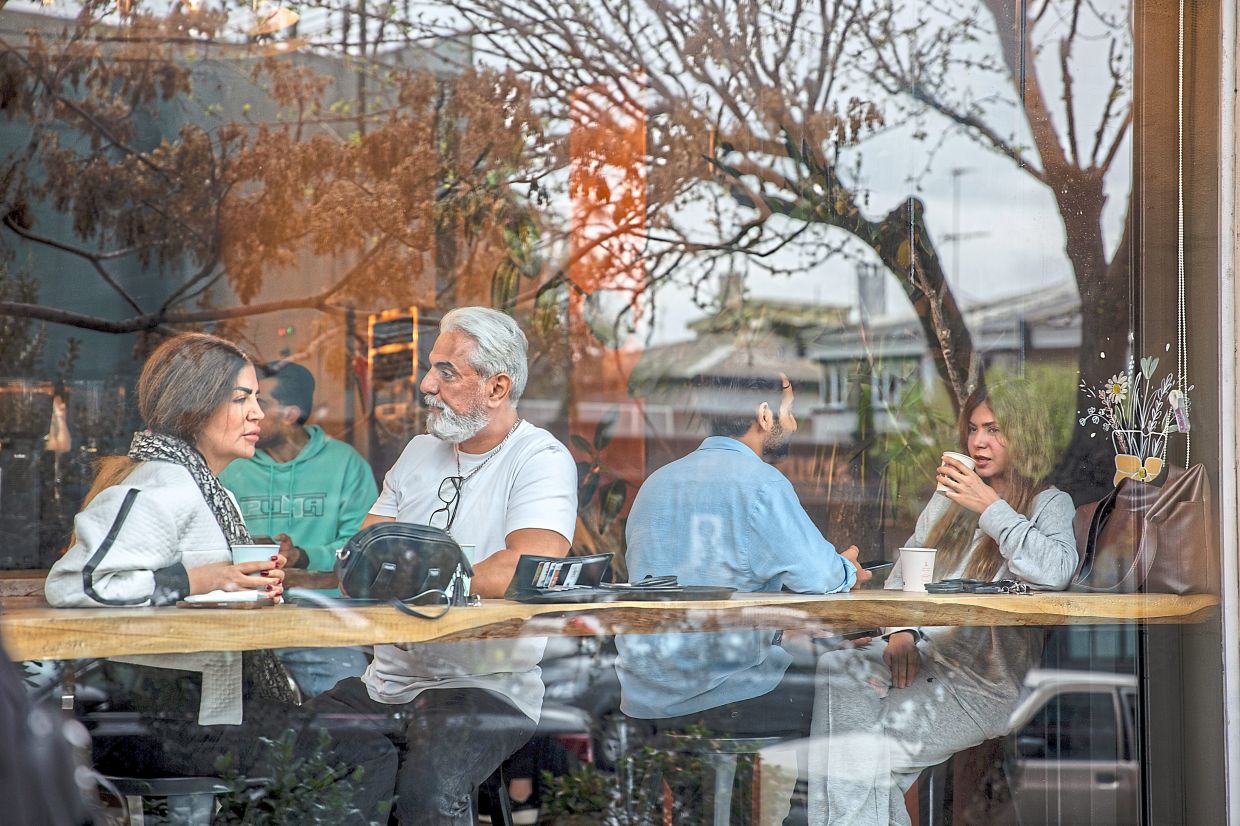
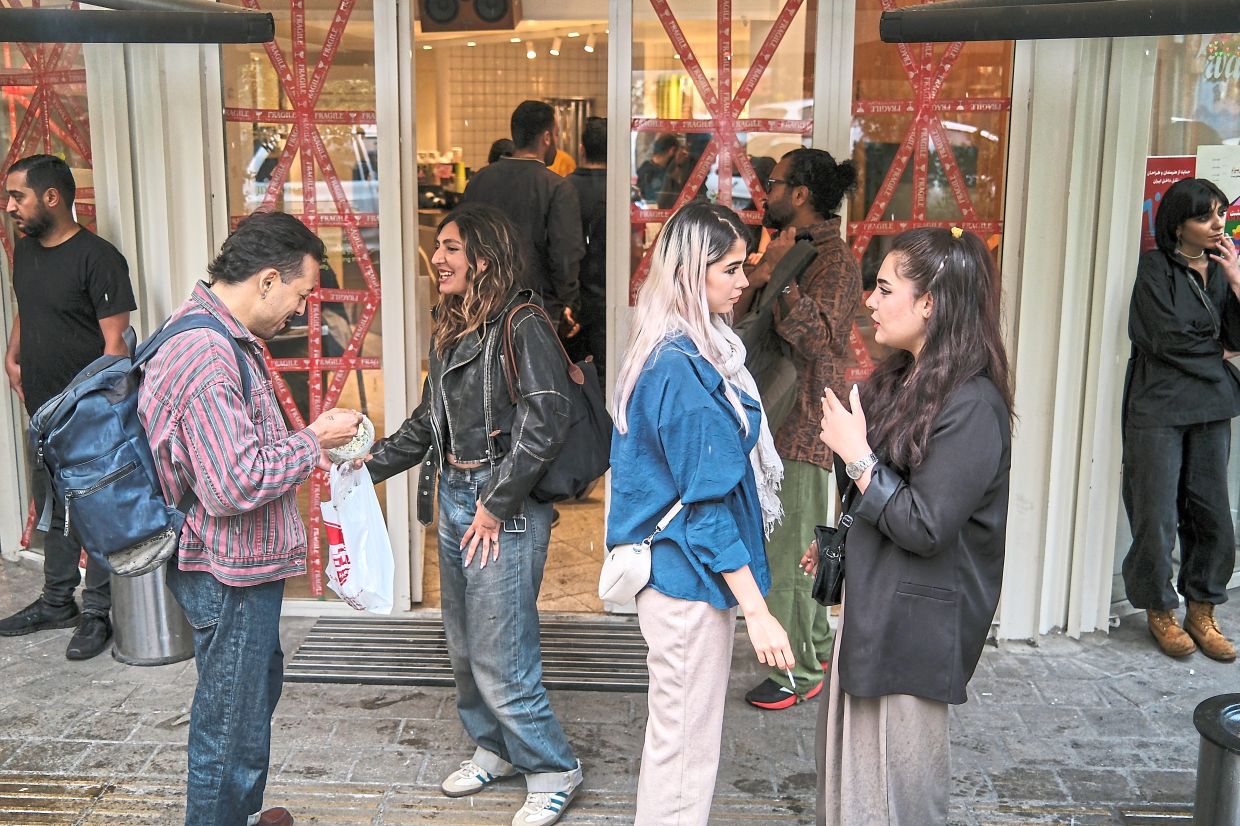
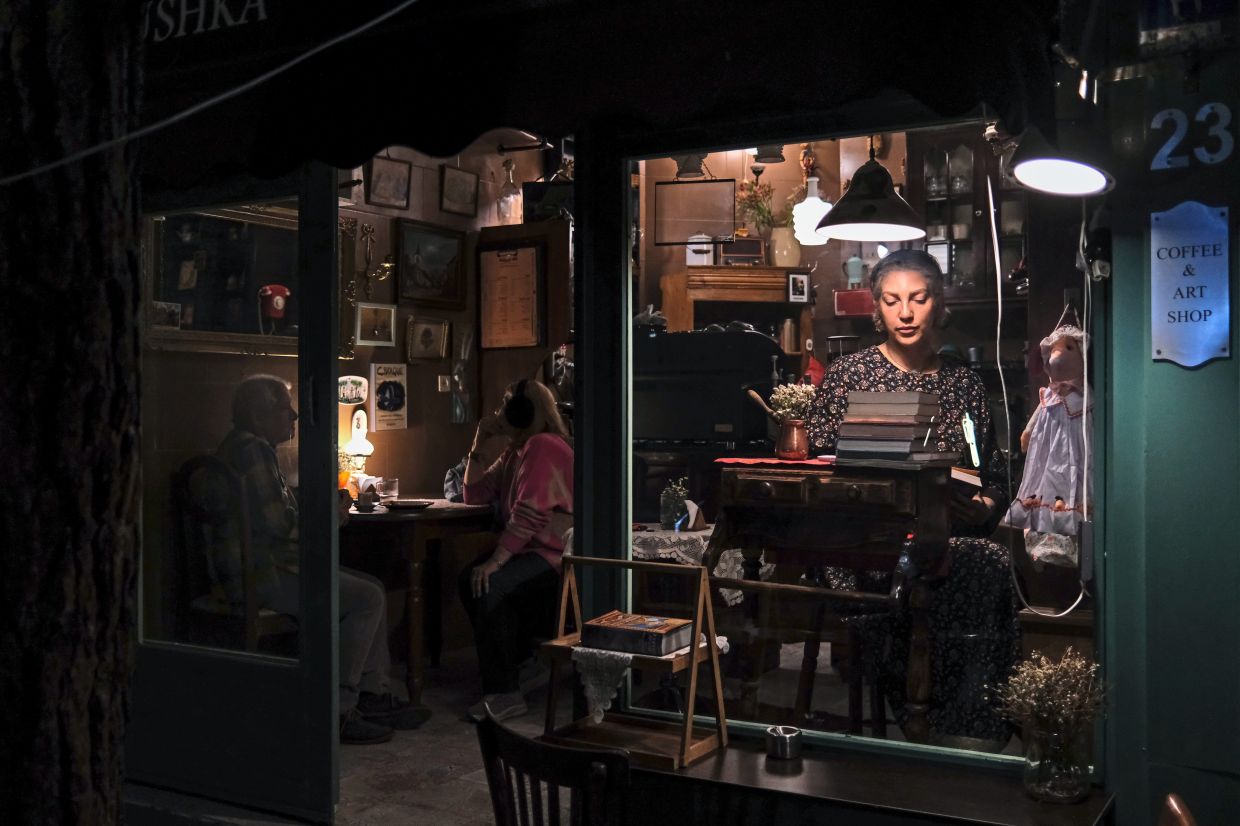
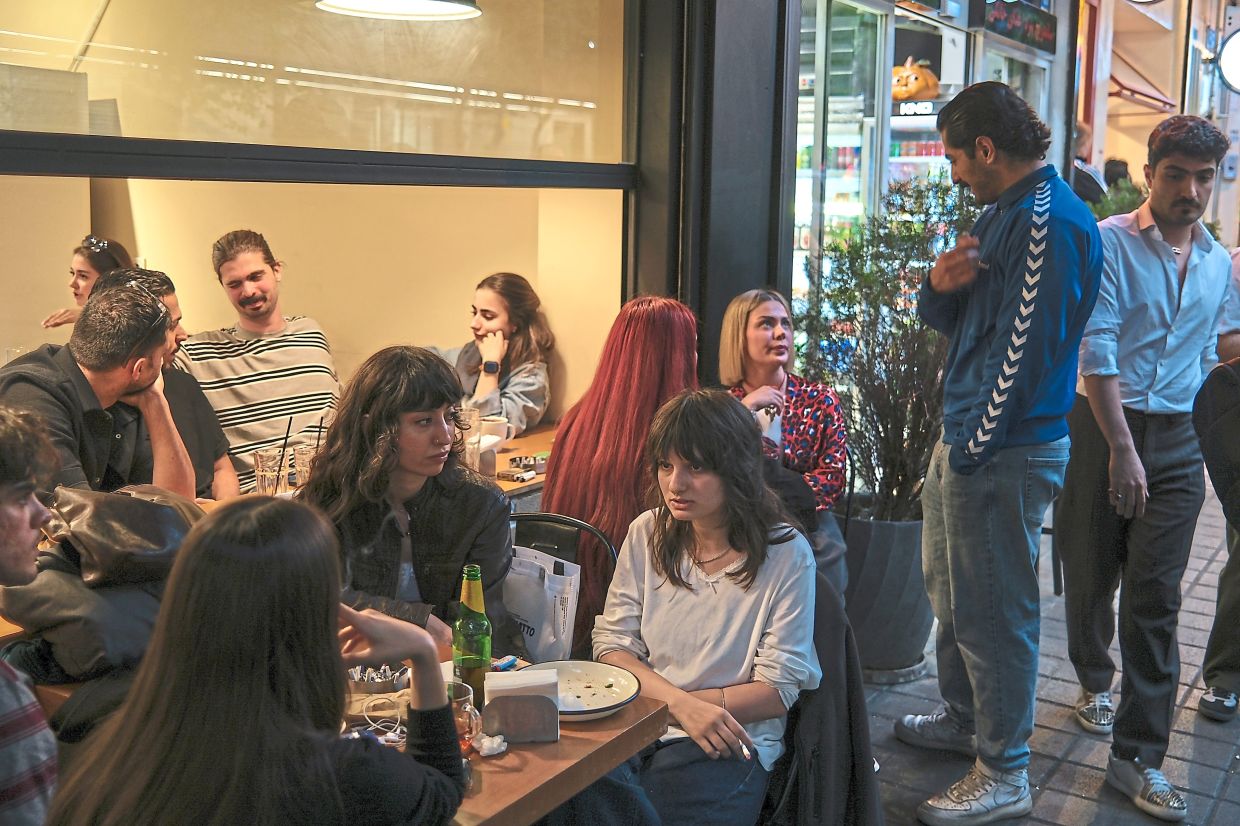
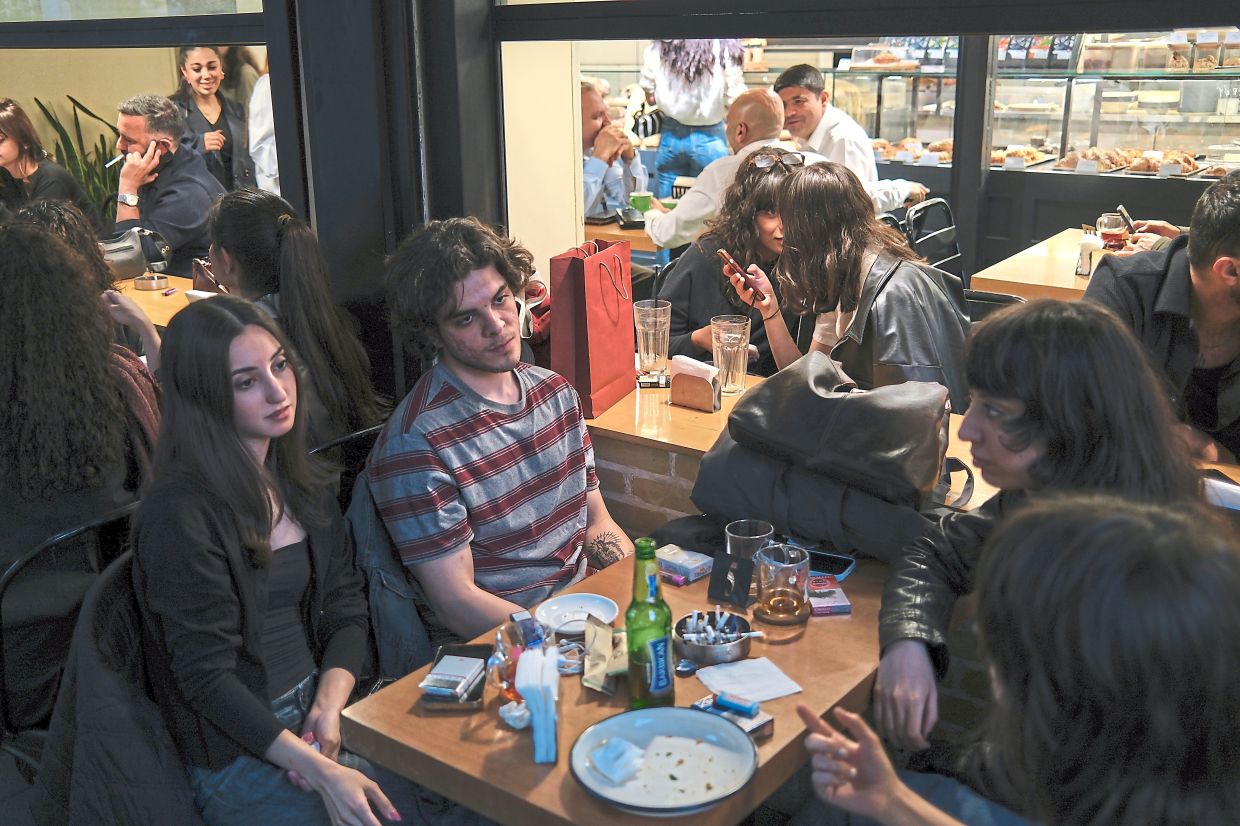
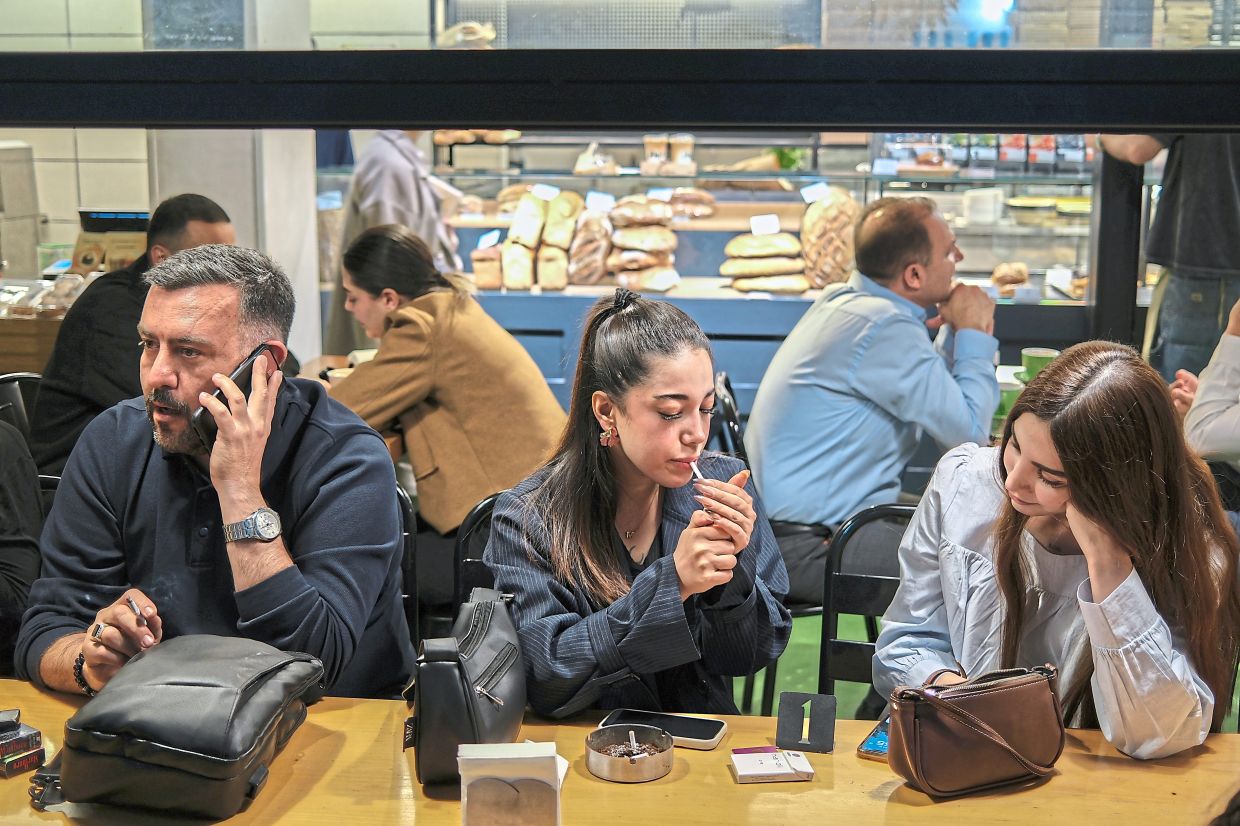
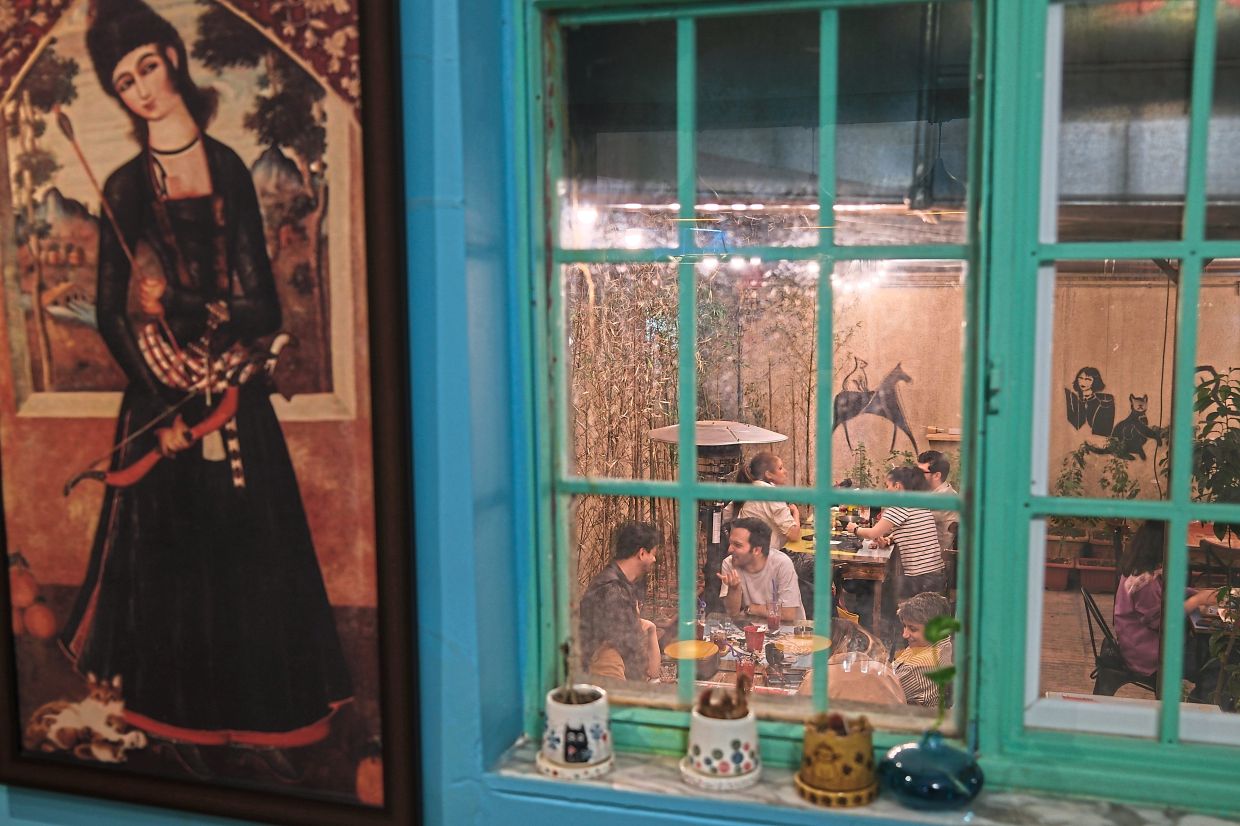
A cup of coffee is still affordable in Iran despite the war. — Photos: ARASH KHAMOOSHI/The New York Times
Friends connecting outside one of the many cafes of Teheran, where windows were taped up as a precaution against airstrike pressure waves causing shattered glass.
Patrons at one of the many coffee houses of Teheran.
The tradition of socialising in coffeehouses in Iran dates back to the 16th century.
Iranians connecting at cafes to collectively process the five weeks of war with the US and Israel, and the wreckage in its wake.
A woman smoking at one of the many cafes of Teheran.
Coffee houses and cafes in cities around Iran are crowded with Iranians seeking to reclaim fragments of normal life and collectively process the five weeks of war with the US and Israel. — Photos: ARASH KHAMOOSHI/The New York Times