WHEN Muhammad Amirul Azhar first listed his home in Selangor on Airbnb two years ago, his goal was simply to generate some extra income while offering tourists a place that felt Malaysian. But with Visit Malaysia 2026 (VM2026) upon us, his side hustle is beginning to look more like a serious business decision.
Amirul has been upgrading the interiors, replacing beds and furnishings, and rethinking how his space might feel to international guests.
With more tourists expected this year, he sees short-term rentals as both a practical way to meet demand and a chance for hosts to play a more active role in shaping visitors’ experience of the country.
He even has plans to expand his hosting beyond the single unit he currently offers.
“VM2026 is an opportunity for hosts to attract foreign tourists to their place, and also we can share our culture and places that we know can bring more tourists to our country,” he says.
But even as hosts like Amirul prepare for the surge in bookings during VM2026, uncertainty looms.
Malaysia’s Short-Term Rental Accommodation (STRA) guidelines are still being finalised, leaving hosts and rental platforms concerned whether the new rules will help stabilise the sector and improve its sustainability, or complicate preparations at a critical moment.
Growing role in tourism
Short-term rentals (STRs) have become an increasingly important part of Malaysia’s accommodation landscape, particularly in suburban and non-urban areas where hotels may not always meet the needs of travellers.
Airbnb, which remains the dominant platform in the space, says STRs complement traditional accommodation by catering to diverse traveller needs while enabling them to explore destinations beyond traditional tourist hotspots.
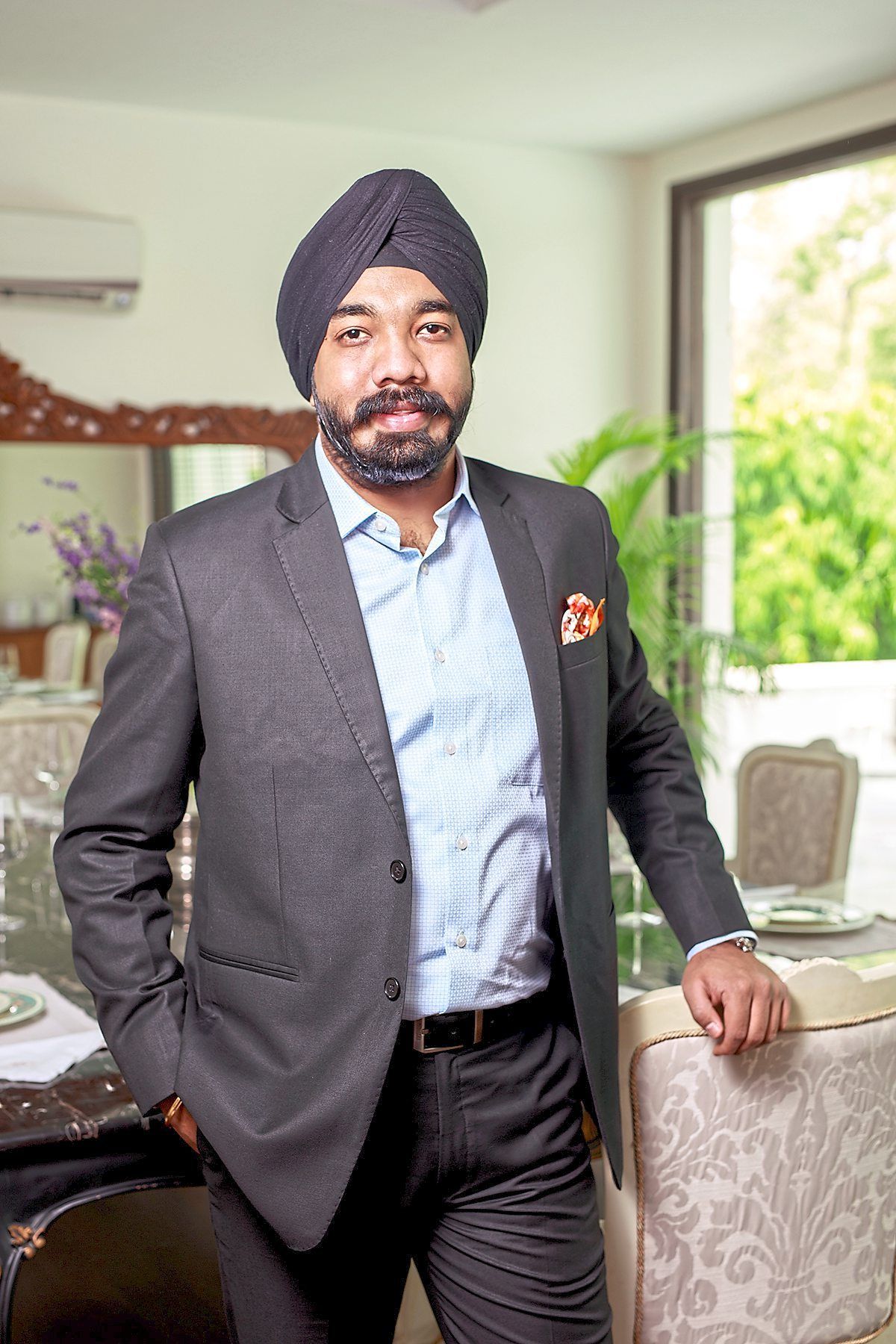
Airbnb’s country head for India and South-East Asia, Amanpreet Bajaj tells Sunday Star that a 2024 Oxford Economics report commissioned by the platform showed that Airbnb activity accounted for about 5% of Malaysia’s tourism sector’s GDP contribution and supported roughly one in every 26 tourism-related jobs in 2024.
“This underscores the pivotal role that STRs play in the current tourism landscape,” he says.
Home-sharing also supports Malaysia’s broader goals of tourism dispersal, which helps ease pressure on city centres.
“This is reflected in growing interest in areas such as Hulu Langat and Kinta,” says Amanpreet, referring to the semi-rural district in Selangor and Kinta Valley in Perak.
That dispersal, he says, aligns with the idea of sustainable tourism growth, especially as the Malaysia sets its sights on welcoming millions of visitors for VM2026.
The Malaysian Vacation Rental Services Management Associa-tion (MVR) also believes that STRs will be critical in helping Malaysia absorb peak demand this year.
“STRs provide scalable accommodation and unique stay experiences that complement hotels, particularly during peak seasons,” says MVR president Ivan Chong
He adds that STRs also support a wider ecosystem of food and beverage outlets, transport services, cleaning and maintenance vendors, and other small businesses.
For hosts on the ground, those ambitions feel tangible.
Amirul believes many STRs, particularly in Selangor, are already well-positioned to absorb increased demand.
Overseas tourists, he says, are usually more familiar with platforms like Airbnb than with locally promoted homestays or smaller hotels, making STRs a natural entry point for foreign visitors.
Like Amirul, Johor-based host and Airbnb community leader Jovin Liew has also been preparing for VM2026, focusing on both operational improvements and guest experience.
“I’m reviewing my pricing strategy and minimum stay rules to manage higher demand while staying competitive.
“I’m also strengthening housekeeping and maintenance arrangements to ensure faster turnaround and consistent quality during peak periods.
“On the guest side, I’m improving listing content, house guides, and communication templates to handle higher enquiry volumes efficiently,” she says.
These steps reflect how hosting has evolved from casual income generation into a more operationally-demanding role.
MVR’s Chong says readiness across the STR sector is improving, particularly among professionally managed operators who have invested in technology, training and standard operating procedures.
“However, readiness varies across the market, attributable to differences in skills, access to guidance, and clarity around regulatory requirements,” he says.
The question is whether regulations will keep pace with that evolution, particularly given the differences among hosts.
Regulation and uncertainty
Calls for clearer national-level regulation have grown louder as the STR sector expands in tandem with VM2026.
Chong says regulatory fragmentation across states and local authorities remains one of the biggest challenges for operators, creating uncertainty that affects everything from compliance planning to investment decisions.
“Without a unified framework, operators, enforcement agencies, property management companies, and residents face unnecessary complexity,” he says.
The Short-Term Rental Accommodation guidelines are meant to fill that gap by providing clearer rules around registration, safety requirements and compliance.
In October 2025, the Tourism Ministry said that the guidelines are still awaiting Cabinet approval.
Amanpreet says Airbnb has been engaging with Malaysian authorities during the consultation process, drawing on regulatory frameworks from other markets in the region that have successfully grown tourism, while ensuring community safeguards.
“It is important that the guidelines provide clarity and consistency for both operators and regulators across states, and remain practical and proportionate so responsible hosting can continue contributing to Malaysia’s tourism ambitions ahead of VM2026,” he says.
In this context, he adds, Airbnb encourages regulatory approaches that preserve flexibility and accommodation supply as well as avoid overly restrictive measures such as blanket night caps.
Similarly, the Asia Travel and Technology Industry Association tells Sunday Star it is broadly supportive of the STRA guidelines proposals, but is concerned about some of the provisions which could limit the hosts’ ability to contribute meaningfully to Malaysia’s tourism sector.
“The proposed 180-day cap on all properties would place unnecessary restrictions on responsible hosts.
“Likewise, there should be no requirement for 75% annual general meeting approval in residential buildings as it risks creating an excessive hurdle for many hosts and could unintentionally discourage participation in the STR sector,” the association says.
These concerns are echoed by hosts.
Liew worries the regulations may be too restrictive for hosts, especially the 180-day limit on STR operations.
“There are currently many vacant apartments and condominiums and heavily limiting STRs will leave these homes underutilised,” she says.
The 75% AGM approval requirement also risks shutting out responsible hosts who are already committed to being good neighbours, she adds.
“Instead, STRs should be permitted by default, with individual condominiums retaining the option to introduce their own by-laws under the Strata Management Act 2013,” says Liew.
Meanwhile, Amirul worries compliance costs under the new regulations could become a heavy burden on small-scale hosts. Proposed requirements for licensing, safety certifications and surveillance measures may be more manageable for large operators with dozens of units, but it would be far more challenging for individuals with only one or two properties.
Despite that, both hosts and platforms agree that regulations with clear definitions and that are phased in over a reasonable time period would give hosts more time to adapt their operations for VM2026.
“I strongly hope the STRA guidelines will be ready soon as we welcome VM2026 so hosts can prepare and help support the country’s tourism goals,” says Liew.