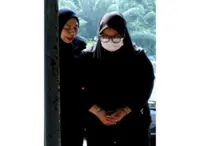
NAJWA (not her real name), 35, gazes through the narrow window pane of a coffee shop, when asked about the days she lived at the mercy of her former husband’s bare knuckles.
More than five years ago, during the Covid-19 lockdown, the mother of two boys was constantly on the receiving end of his rage in their small flat in Petaling, Selangor.
Not a week went by without her sustaining a bruise or two, sometimes spread across her lips or temples.
“I thought the pressure of being jobless because of the lockdown drove him to be violent. I kept thinking that if we talked it out, things would get better. But it didn’t stop.
“Whenever he failed a job interview, he would lash out at me. I didn’t want to tell anyone because it would appear as though my marriage was failing.
“But it went on for about five months before I decided to call my mother. I revealed everything to her.”
For Najwa, the decision came after a moment of frightening clarity – when she realised she was beginning to hide her injuries from her own children.
“That was when I knew it had gone too far. I didn’t want them to think hurting someone you love is normal.”
A police report was lodged soon after, and her husband was arrested. She applied for a divorce shortly after.
Looking back, Najwa releases a long sigh of relief. She stresses how crucial that single decision was – choosing to confide in someone she trusted instead of normalising what she once believed was a part of marriage.
“I was naive. I thought the beatings would be temporary and somehow expected in a marriage. I don’t know why I thought that. My parents never taught me that it was okay to endure any abuse.”
Now working as a supervisor at a factory, Najwa urges others who are going through similar suffering to stand up against their abusers.
“I’m not saying you should fight back physically. But you can reach out to your family, friends or the authorities. There is always a way out. Being afraid is normal, but it’s not normal if you let it pin you to the ground.”
As a mother of two boys, now aged 10 and 12, she is determined that they do not grow up internalising harmful behaviours.
“I do not want my children to grow up thinking that violence against women, especially in a household, is normal. I want them to grow up respecting women and being sensitive to people’s needs.”
Najwa’s case echoes another domestic abuse survivor, who only wants to be known as Ranjeetha, 42.
Both women share a common turning point in recognising that silence was sustaining their suffering; by letting someone else in – whether through a phone call or a surprise encounter – they found the strength to walk away from abuse and towards reclaiming their lives.
In Ranjeetha’s case, the journey towards speaking out took far longer. For more than a year, she wrestled with the decision to confide in her parents about the abuse inflicted by her now former husband.
“At that time I lived with my husband in Negri Sembilan, and my parents were up north in Kedah. We didn’t always visit each other, and when we did, the bruises had already healed.
“But one day, my father came for a surprise visit and, to his shock, he saw the bruises on my face. He cried and immediately took me to the hospital. My brothers came and brought me home.”
Her decisive moment came not from her own readiness, but from being confronted by someone who loved her.
“When my father held my face and asked, ‘how long has this been going on?’, I couldn’t stay silent anymore. I realised hiding it was only protecting him (the former husband), not me.”
A police report and divorce application followed. For Ranjeetha, allowing herself to be seen was the first step toward reclaiming her life.
“Please talk to someone if this happens to you. Don’t be like me. I thought it would be embarrassing to talk about. But it is the abusers who should be embarrassed by their actions.
“It is not ‘love’ when you are trying to hide the ugly face of an abuser. It is cowardice.”