



AS the world marks the International Day for the Elimination of Violence against Women today, the Women’s Development Department (JPW) is calling for a whole-of-nation effort to tackle gender-based violence (GBV).
JPW director-general Hanani Sapit says addressing GBV requires coordinated action from ministries and agencies, the police, schools and universities, NGOs, the private sector and communities.
“When it comes to raising awareness on GBV, we have to work with communities to remove taboo and stigma so survivors feel safe to talk about their experiences and seek help,” Hanani tells The Star.
“With everyone playing their part, we can provide survivors with protection, meaningful employment, financial security and the emotional support they need,” she explains.
JPW conducts nationwide outreach programmes, provides counselling services, and carries out intervention work to support survivors in crisis. But it also partners with many other stakeholders to ensure effective protection for women and girls.
Economic independence remains a key factor in helping survivors of GBV to move forward and rebuild their lives. In view of this, the Women, Family and Community Development Ministry provides upskilling and entrepreneurship training programmes along with an ongoing collaboration with the Social Security Organisation (PERKESO) to facilitate job placements for survivors. But efforts are not just limited to government agencies and departments. According to Hanani, several companies are now partnering with the ministry to also offer employment opportunities.
“When survivors have stable jobs, can support themselves and care for their children, they become more confident in leaving abusive situations,” Hanani says.
The 16 Days of Activism against Gender-Based Violence, which begins today and runs until Dec 10, calls on the public to wear orange in support of eliminating violence against women and girls.
The campaign begins on the International Day for the Elimination of Violence against Women (EVAW) and ends on Human Rights Day, reinforcing the principle that freedom from violence is a fundamental human right.
In Malaysia, this year’s EVAW campaign was marked with the illumination of the eagle statue in orange lights at Dataran Lang, Langkawi, yesterday.
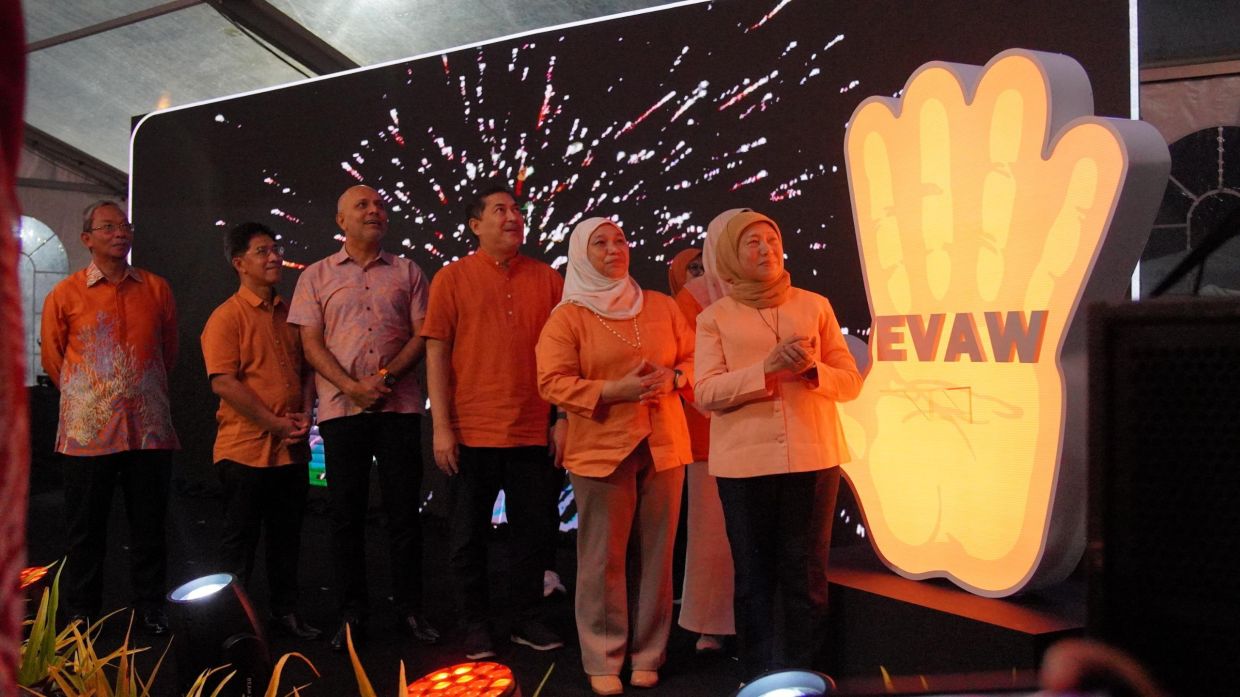
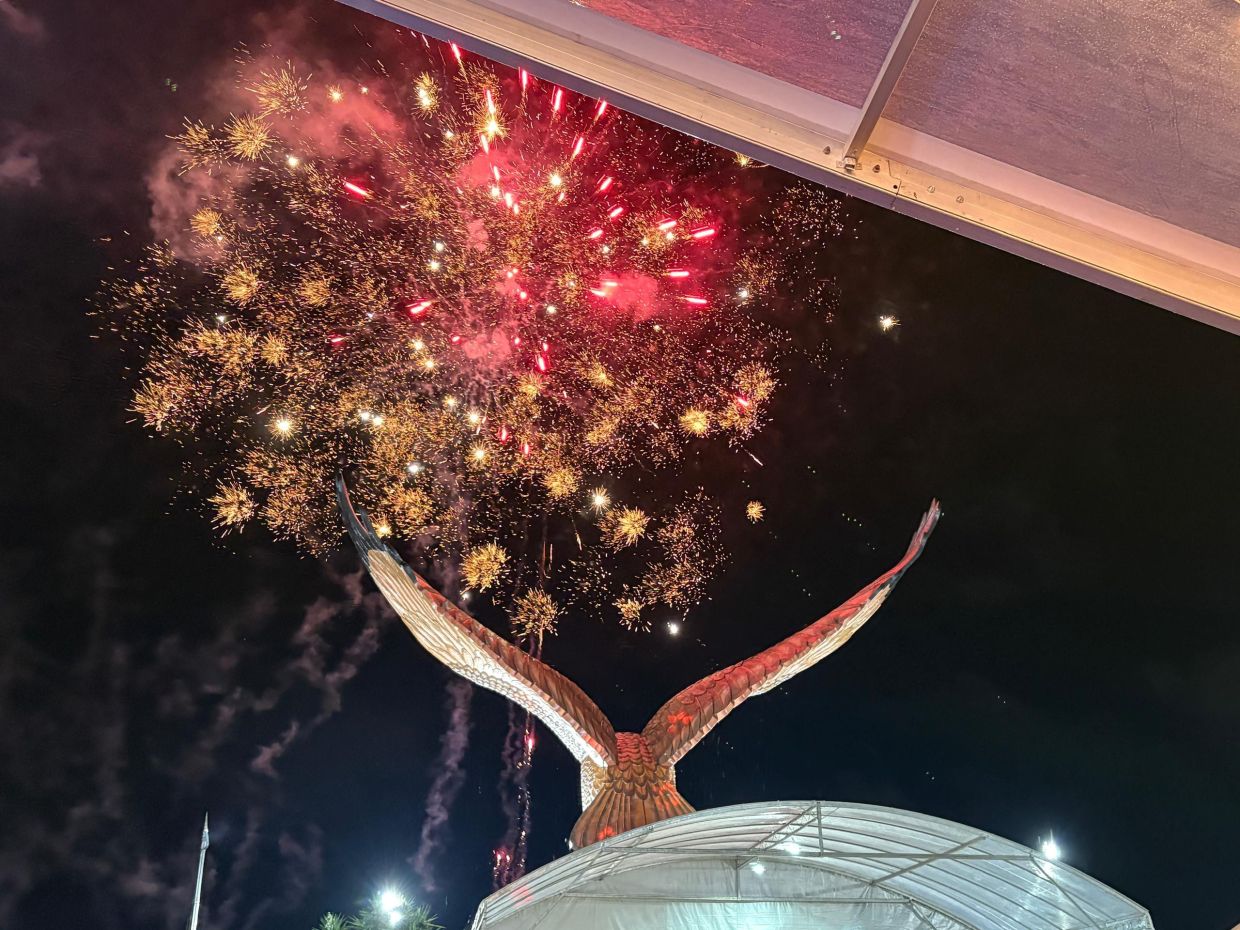
As part of this broader national commitment, various ministries – including health, communications, education and home affairs – are working together to strengthen policies to prevent GBV, support survivors and improve reporting channels.
Hanani says the Ministry is strengthening SOPs, building multi-agency task forces, expanding training and moving toward integrated data systems to ensure survivors receive timely, compassionate and effective protection regardless of where they seek help.
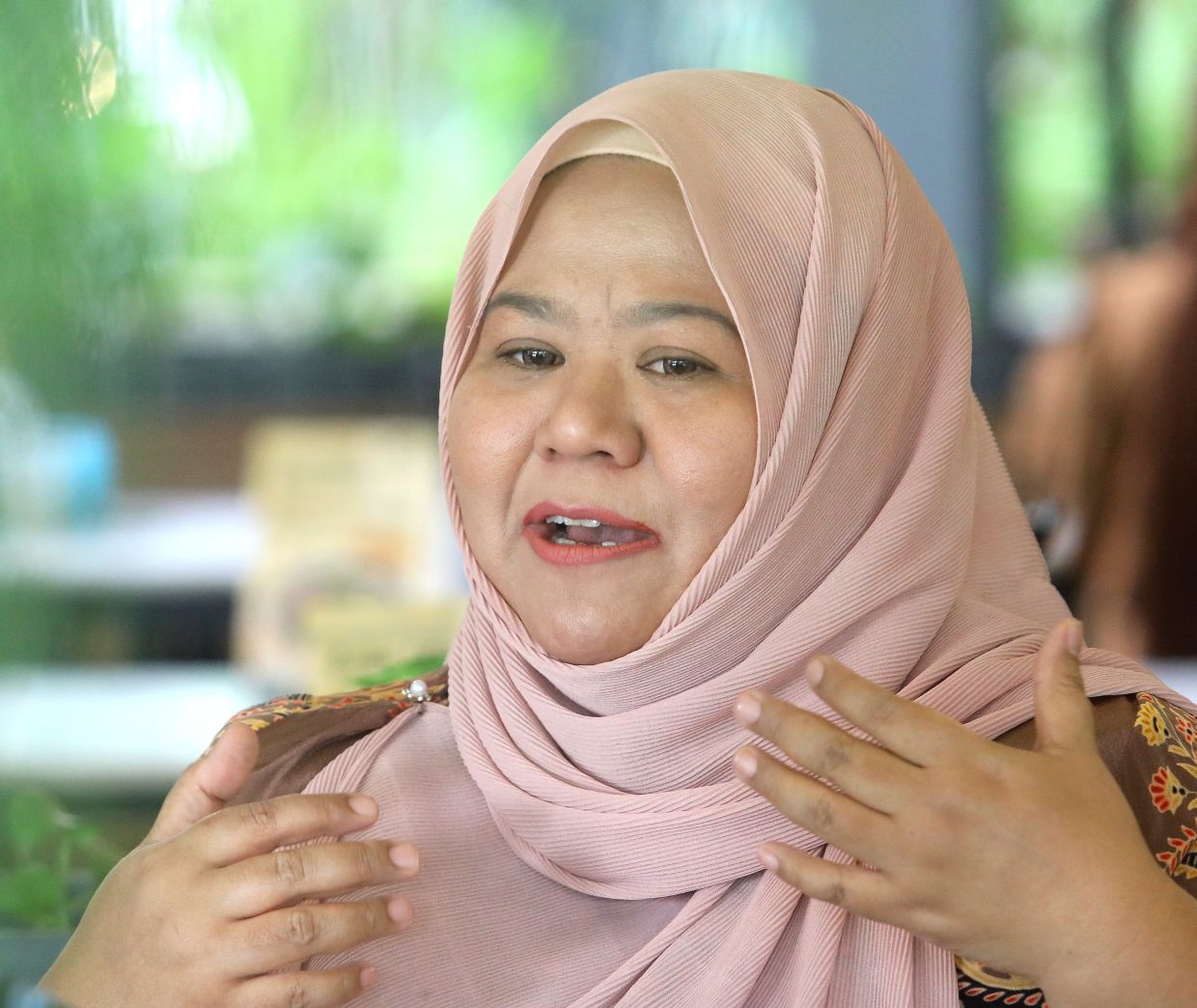
This year’s theme, UNiTE to End Digital Violence Against All Women and Girls, reflects the rise of online harassment, digital exploitation, cyberstalking and technology-facilitated abuse.
“Protecting women and girls from online violence is essential not only for safeguarding their rights but also for supporting economic participation, social mobility and digital inclusion,” says Hanani.
Under the National Women’s Policy 2025–2030 (Dasar Wanita Negara or DWN), targeted strategies have been introduced under the safety and security pillar. This includes developing a unified information system to track and monitor sexual offenders, including those who commit digital harassment or online abuse.
Survivors of GBV or concerned individuals can seek help through the 24-hour Talian Kasih hotline at 15999 or via WhatsApp at 019-261-5999. Assistance is also available at any One Stop Crisis Centre (OSCC) at hospitals nationwide.

What is 16 Days of Activism against Gender-Based Violence?
The 16 Days of Activism against Gender-Based Violence campaign runs every year from Nov 25, which is the International Day for the Elimination of Violence against Women, to Dec 10, the Human Rights Day.
It calls for global solidarity to end violence against women and girls everywhere.
Prevalence of violence against women and girls
> Global scale of violence against women: An estimated 840 million women – almost one in three – have been subjected to physical and/or sexual intimate partner violence, non-partner sexual violence, or both at least once in their life (30% of women aged 15 and older).
• This figure, which does not include sexual harassment, has remained largely unchanged in the last two decades.
• Progress in reducing intimate partner violence has been very slow over the last two decades with only a 0.2% annual decline.
• Women who have experienced violence are more likely to suffer from depression, anxiety disorders, unplanned pregnancies, sexually transmitted infections and HIV, with long-lasting consequences.
> Sexual violence by someone other than the partner is widespread, but highly under-reported. Globally, 8% or 263 million women 15 years and older report experiencing sexual violence from someone other than a partner at least once in their lifetime.
> While violence affects women everywhere, there are disparities across regions and countries. Women in countries classified as lowest-income, conflict-affected, and climate-vulnerable settings are disproportionately affected.
• Of the 165 countries with domestic violence laws, only 104 countries have comprehensive legislation addressing domestic violence. However, the countries with domestic violence legislation have lower rates of intimate partner violence than those without such legislation (9.5% compared to 16.1%).
Sources: UN Women and WHO

