
THE right to a safe, clean, healthy, and sustainable environment – in a world besieged by environmental and climate crises, this fundamental right should be non-negotiable. But this, apparently, has been a point of contention in Asean.
“Internationally, the human right to a clean, healthy, and sustainable environment has already been universally agreed upon in the United Nations General Assembly in 2022,” says climate activist and co-founder of Youths United for Earth Malaysia, Max Han.
It is important that this trickles down to regional and national levels, Han stresses, so that the environmental and climate issues at those levels can also be systematically tackled.
This is why he started working with concerned environmental groups, human rights proponents, other climate activists and various affected stakeholders to translate what that environmental right means in the Asean context.
It has been a long trek for them: Led by the Asean Inter-governmental Commission on Human Rights (AICHR), the negotiations to draft a comprehensive and inclusive environmental rights declaration for this part of the world took around three years.
Notably, their effort has been rewarded: The regional bloc, under Malaysia’s leadership this year, took a step forward on environmental protection measures by adopting the Asean Declaration on the Right to a Safe, Clean, Healthy, and Sustainable Environment (Ader) at the recent Asean Summit held in Kuala Lumpur.
AICHR chair Edmund Bon says the declaration now states specifically State and non-State obligations to protect the environment, as well as the rights of people and the planet in terms of environmental justice. They cover substantive environmental issues like pollution and the need to protect forest cover, and procedural rights such as the rights of vulnerable groups, public participation, and the right to information.
“The declaration elaborates further on Article 28(f) under the ADHR and allows communities to use it in their advocacy,” he says.
ADHR is the Asean Human Rights Declaration; Article 28(f) deals with the right to a safe, clean and sustainable environment.
In a statement to the press, environmental and human rights groups say Ader’s adoption is an important milestone for Asean in tackling environmental concerns, transboundary harms, climate change, biodiversity loss, and pollution. However, they also say they are concerned by key issues that remain insufficiently unaddressed in the declaration, such as protection for environmental defenders, indigenous peoples’ rights, and concrete measures to combat environmental harm and climate crises.
“This is not the inclusive and rights-based declaration that the public and civil society have called for.
“It also overlooks environmental defenders who stand at the frontlines of protecting our planet,” says Rocky Guzman, deputy director of the Asian Research Institute for Environmental Law.
Asia Pacific Network of Environmental Defenders coordinator Lia Mai Torres highlights that there have been 354 killings and disappearances of land and environmental defenders in South-East Asia since 2012.
“Yet there is no mention about the recognition and protection of environmental human rights defenders in the declaration.
“It is not only disappointing but unjust to ignore those who have lost their lives for upholding human rights,” she says.
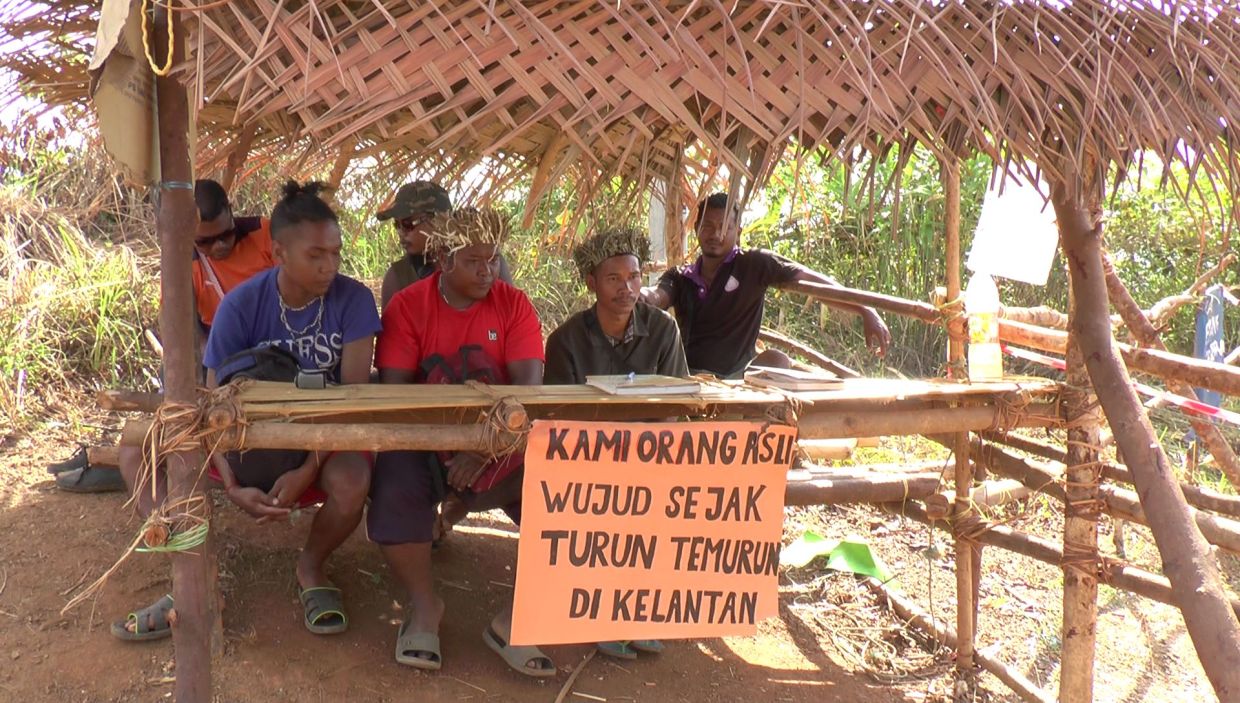
While indigenous groups are included in the declaration, managing director of indigenous rights group SAVE Rivers Celine Lim says it still lacks the strong language required to address the urgent need to safeguard and protect the people who defend the environment.
Many indigenous environmental defenders are criminalised for their work in the region, she points out.
“Asean must halt the lean towards authoritarian governance within its member states if it is to effectively uphold real, just, and inclusive human and environmental rights.”
Meanwhile, some environmentalists are also concerned about how each member state will translate the commitments in the declaration into concrete and measurable actions.
Raynaldo G. Sembiring, executive director of the Indonesian Center for Environmental Law, says there is a need for clear national action plans and robust regional cooperation to ensure that environmental governance in Asean is inclusive, rights-based, and accountable.
“This means protecting vulnerable communities and environmental defenders, guaranteeing access to information and justice, and holding both state and non-state actors accountable for environmental harm,” he stresses.
It is encouraging that Asean has adopted this new declaration on environmental protections, says the Mekong Legal Network, but they say it is disappointing that Asean has appeared to ignore the “many valuable inputs” provided by civil society on issues such as indigenous peoples’ rights, protection of environmental defenders, and procedural environmental rights.
“Going forward, we urge AICHR to adopt a meaningful process for public participation in the development of the Regional Plan of Action,” the group says.
Concurring, Han adds that Asean cannot always be “taking one step forward and three steps back”.
“Our leaders owe it to future generations to boldly commit to resolving pressing human and environmental rights issues in Asean, and meaningfully involving affected communities as we implement this declaration on the ground,” he says.
Recognising the heightened concern, AICHR and Greenpeace are organising a public forum tomorrow to not only provide a comprehensive and up-to-date briefing on the declaration and how it can be utilised to advance relevant issues, but also to engage stakeholders on how it can be operationalised through an Asean plan of action.