FOR Sabah and Sarawak, the promises of the Malaysia Agreement 1963 (MA63) are not abstract legal clauses but lived realities. They touch on whether rural schools have enough teachers, whether hospitals can retain doctors, and whether the wealth of natural resources offshore translates into lasting prosperity.
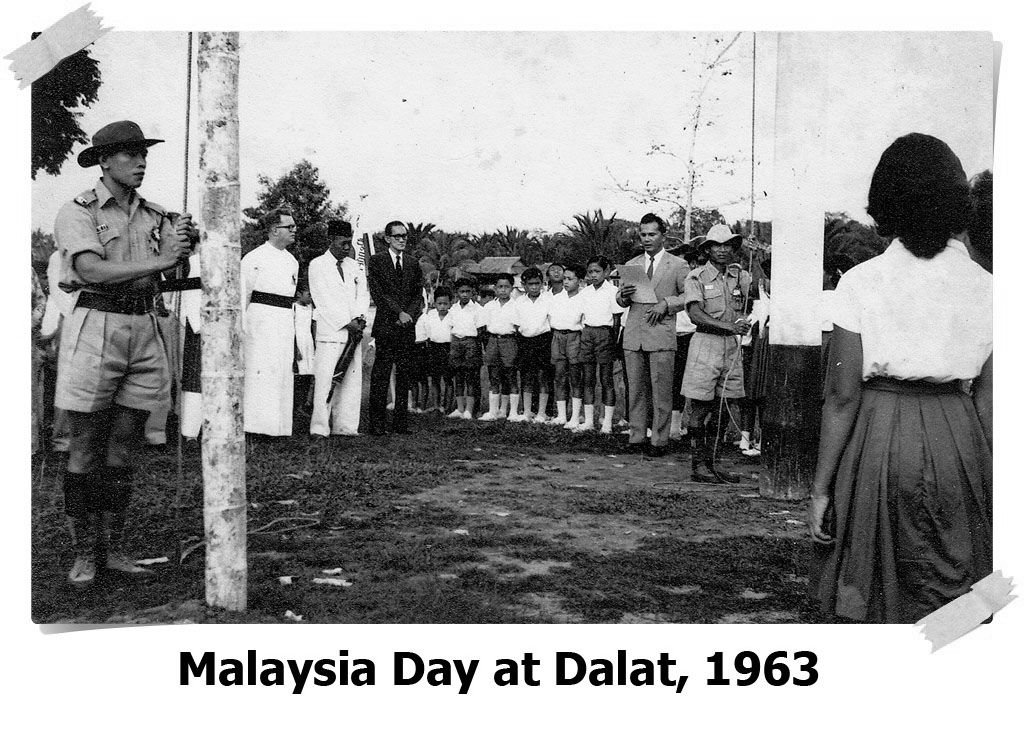
Six decades on, and after 13 of the 29 demands have been fully met, the question lingers – which of the remaining 16 will be fulfilled next?
At least one expert believes education and healthcare deserve top priority, especially in Sarawak.
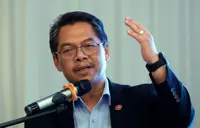
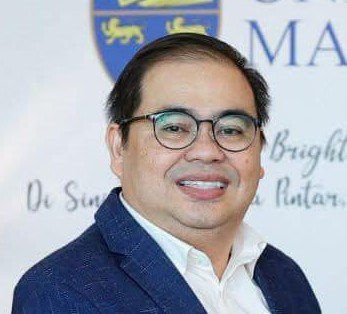
"These are the areas where people feel the impact most immediately," says Universiti Malaya's sociopolitical analyst Prof Datuk Dr Awang Azman Awang Pawi, a Sarawakian who has tracked the work of the MA63 Implementation Action Council (MTPMA63).
The council’s recent meeting in August confirmed that several demands in these sectors had already been agreed to and could move forward quickly, provided funding and clear timelines are in place.
For many Sabahan lawmakers, however, the region's long-standing claim to 40% of the net revenue it contributes to the federal government tops the list, as it is central to their greater decision-making power.
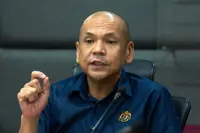
"Fiscal restoration would provide the latitude for the region's decision-makers to directly address systemic deficiencies in infrastructure, administration, and socio-economic equity," says Institute for Development Studies (Sabah) research associate Ariff Adi Putera Anwar.
Still, questions of readiness also remain. Deputy Prime Minister Datuk Seri Fadillah Yusof has cautioned that Sabah and Sarawak must ensure operational capacity before certain concessions can be implemented.
Main priorities
The federal government is moving forward with meeting MA63 demands, although through established channels. Last month, Fadillah said the government was committed to resolving outstanding claims, noting that 13 had already been settled – nine under the current administration and four during the previous government.
Of the 16 still pending, one has been resolved on an interim basis, two have reached policy decisions, eight remain under discussion and five have been referred for high-level deliberation.
This raises the question of which claims should be addressed first to bring the most immediate benefits to Sabah and Sarawak.
Awang Azman argues that education and healthcare should take precedence, while oil and gas matters should be phased in.
"The reason for giving precedence to education and healthcare is clear.
"At the MTPMA63 meeting on Aug 18 many of Sabah and Sarawak’s demands in these two areas were confirmed as agreed upon and could be implemented immediately, provided there is a proper budget and timeline."
He says early investments would deliver quick social impact by building human capital and improving healthcare and education access, particularly in rural areas.
"If delays persist, Sabah and Sarawak will continue to face the outflow of teachers and doctors to Peninsular Malaysia, while treatment costs remain high."
On oil and gas, Awang Azman stresses the need for a safeguarded, phased framework. While Petronas must remain central under the Petroleum Development Act 1974, states should be given licensing and distribution powers, as in Sarawak with PETROS.
"The Prime Minister (Datuk Seri Anwar Ibrahim) agreed in January 2025 for this model to continue. However, further delays risk disrupting investment and could trigger legal disputes, as demonstrated by the notice issued against a Petronas subsidiary in May 2025."
Money matters
Ariff Adi notes that many education- and health-related demands under MTPMA63 are administrative in nature.
"Education-related demands cover Sabah’s representation in project planning, access to information on officer transfers and allocations for professional development.
"Health-related demands focus on expenditure and granting state health directors greater discretionary powers.
"These are largely administrative concessions, incremental by design, since education and health were already placed under the Federal List in MA63.
"As such, these demands will always materialise in moderate forms rather than drastic shifts."
Hence, he argues that for Sabah, revenue entitlement should take priority.
"This issue remains the foremost concern for Sabahan lawmakers, as fiscal restoration would provide the latitude for state decision-makers to directly address systemic deficiencies in infrastructure, administration, and socio-economic equity."
Ariff Adi cautions that delays in restoring this entitlement risk leaving education and health reforms symbolic rather than transformative, as Sabah lacks the fiscal muscle to sustain improvements.
"For both Sabah and Sarawak, prolonged inaction undermines faith in the federal bargain, entrenches disparities with Peninsular Malaysia and fuels political discontent that could harden into calls for more radical forms of autonomy."

Being ready
On concerns over readiness, how should Sabah and Sarawak be assessed – and what safeguards are needed to prevent stalls in bureaucracy?
Ariff Adi says readiness can be measured across three areas – institutional capacity, fiscal consistency and accountability.
"Institutional capacity means agencies must have not just expertise but also instruments to manage MA63 concessions.
"For example, if the regional health departments receive more powers and funds, readiness should be measured by their ability to expand management and coordinate effectively with federal agencies.
"To safeguard commitments, capacity-building should run in parallel with devolution, not be used to delay it."
On fiscal consistency, he notes, safeguards would therefore require formula-based transfers or block grants that guarantee predictable fiscal space.
"The absence of financial instruments to maximise allocations at the state (or region in Sabah and Sarawak's context) level means funds cannot be retained or rolled over."
Ariff Adi adds that accountability is equally crucial.
"Embedding accountability mechanisms in joint region–federal oversight frameworks would reduce risks of leakages and prevent federal agencies from invoking governance concerns to withhold commitments."
Awang Azman also highlights readiness across human resources, infrastructure, finance and law.
"It must also cover human resources like teacher and doctor ratios, infrastructure such as schools and clinics, financial capacity via a five-year budget ceiling, legal alignment between state and federal laws, and transparent systems like public dashboards and asset registries."
He suggests safeguards such as gazetted federal orders with expiry dates, milestone-based funding, and a "joint delivery unit" to resolve obstacles within 30 days.
"Quarterly audits should be made public. Pilot implementation could begin in areas such as Kapit in Sarawak or the interior of Sabah, where the need is most pressing."
Continental issues
Another unresolved issue is the Territorial Sea Act 2012 (TSA) and rights over the continental shelf.
Awang Azman says the TSA, which limits state jurisdiction to three nautical miles, restricts Sabah and Sarawak’s ability to collect taxes, attract investment, and provide licensing certainty, while also raising maritime security concerns.
"In governance terms, Sarawak has already revived the OMO 1958 and established PETROS. However, these moves must be harmonised with the Petroleum Development Act 1974 and the Continental Shelf Act 1966 to avoid prolonged legal conflicts."
He proposes a co-regulatory model, with the federal government overseeing upstream activities and international relations, while states manage distribution, utilities and taxation.
"A joint authority could be established to co-manage licensing and development, similar to models used in Australia. Revenue-sharing should follow a transparent formula combining royalties, sales tax and dividends, with figures published on a public dashboard."
Ariff Adi adds that greater jurisdiction would give Sabah and Sarawak more leverage in negotiations and strengthen their position as equal partners.
The economic stakes, too, are significant.
"Jurisdiction over the continental shelf covers oil and gas reserves, offshore wind and tidal energy potential, fisheries management, and even future opportunities such as carbon capture and storage or undersea cable routes.
"For resource-rich regions like Sabah and Sarawak, securing rights would mean a greater share of revenues and more direct control over industrial policy in energy and marine sectors."
Ariff Adi says if resolved, such disputes could reshape federal–region dynamics.
"This would set a precedent for more asymmetrical federalism in Malaysia, moving beyond administrative concessions toward substantive economic autonomy."
What is MA63?
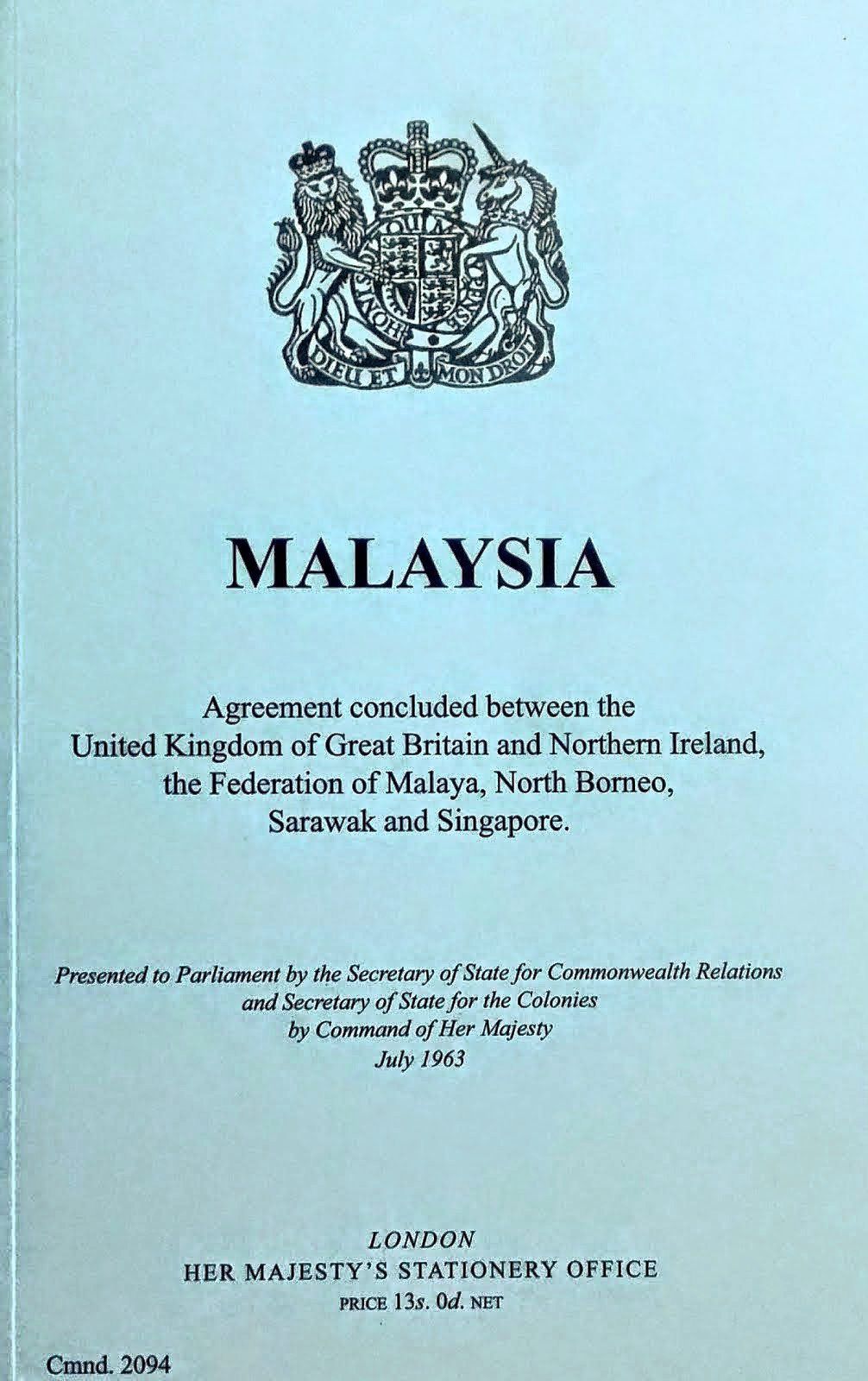
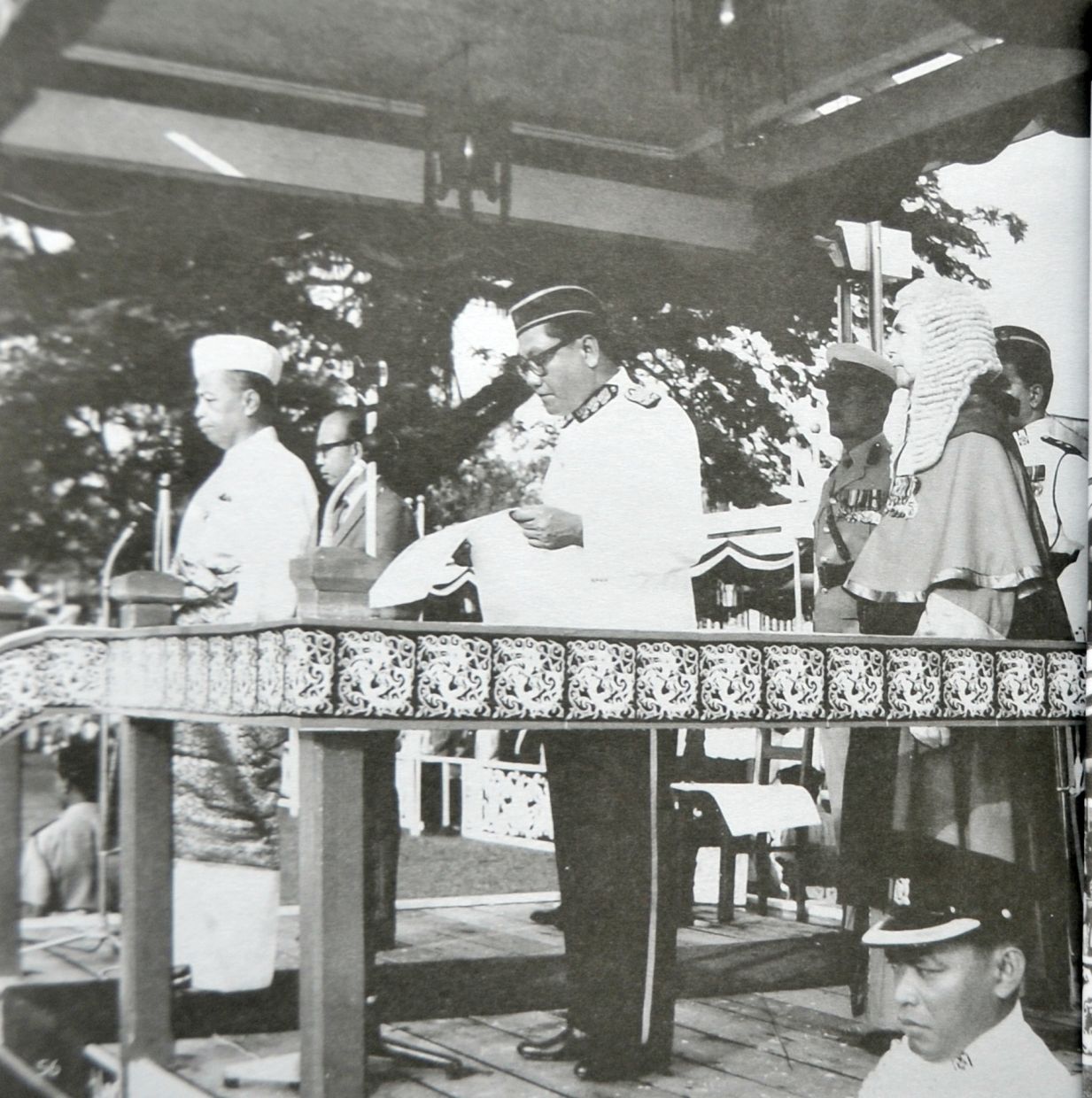
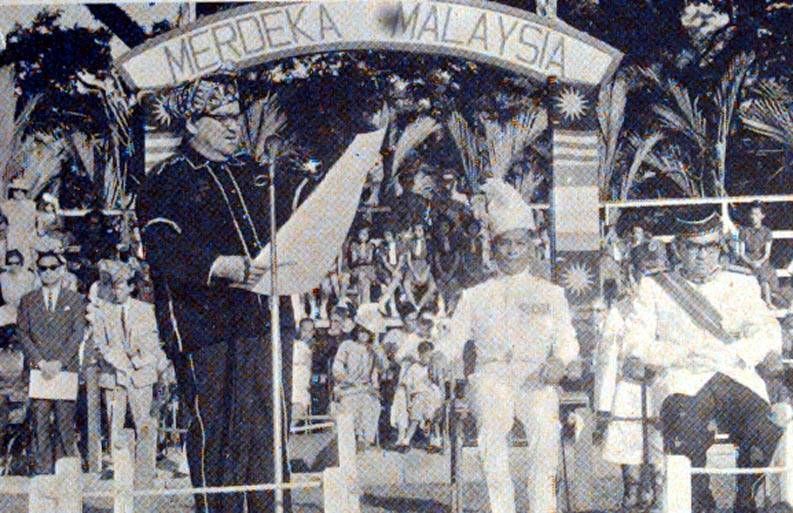
THE Malaysia Agreement (MA63) is the historic international treaty that laid the foundation for the creation of Malaysia on Sept 16, 1963.
MA63 set the terms under which Sabah (previously known as North Borneo), Sarawak and Singapore would come together with Malaya to form the Federation of Malaysia.
Brunei was also invited to be a part of the new federation but it opted out due to concerns over its autonomy. Singapore would later leave Malaysia in 1965.
MA63 is the culmination of the Cobbold Commission – set up in Borneo to gauge people’s feelings about forming Malaysia. It is also based on memorandums from North Borneo and Sarawak: the Twenty-Points Manifesto of the Sabah Alliance and Eighteen-Points Resolution of Sarawak.
Provisions in MA63 include recognising the unique status of the two regions and ensuring certain safeguards.
A key provision – as recommended by Lord Cameron Cobbold, who headed the Cobbold Commission – is that parties must enter the federation of Malaysia as Equal Partners.
But over the years, the autonomy granted to Sabah and Sarawak by MA63 was gradually diluted, with some provisions remaining unfulfilled.
Since 2018, however, the unmet promises of MA63 have returned to the government agenda; the Pakatan Harapan government promised to restore the status of Sabah and Sarawak as equal partners in Malaysia after it won the 14th General Election.
However, in April 2019, the Federal Government failed to get the two-thirds vote majority from Dewan Rakyat to amend the Constitution to restore the status of Sabah and Sarawak as equal partners.
The issue was resolved when on Dec 14, 2021, the government successfully made the constitutional amendment to recognise Sabah and Sarawak as equal partners in Malaysia, integrating MA63.
Ongoing discussions and efforts to fully implement the terms of MA63 continue in 2023, with remaining calls for greater autonomy and adherence to the agreement
On Nov 6, 2023 the MA63 Technical Committee established a working group to explore devolution of education powers to Sarawak.
On March 5, 2024, DPM Datuk Seri Fadillah Yusof announced that nine MA63 demands have been met, marking significant progress in the implementation of the agreement.
Last month, Fadillah reaffirms the Madani government’s commitment to resolving the outstanding MA63 demands.
MA63 demands: What Sabah and Sarawak want

THE technical committee of the Malaysia Agreement 1963 Implementation Action Council (MTPMA63) are reviewing the demands submitted by Sabah and Sarawak for 29 resolutions agreed upon in the Malaysia Agreement 1963.
> Resolved MA63 demands
#Finalised under the current/ Madani administration:
1. Transfer of electricity regulatory authority to Sabah
2. Amendments to the Labour Ordinance (Sabah and Sarawak)
3. Representation in the Inland Revenue Board (LHDN)
4. Representation in the Election Commission (EC)
5. Joint planning of school infrastructure projects
6. Consultation on senior officer transfers in education
7. Access to professional development funds for educators
8. Recognition of state public works departments
9. Transfer of forestry licensing powers
#Finalised under previous administrations:
10. Establishment of the MA63 Implementation Action Council (MTPMA63)
11. Inclusion of Sabah and Sarawak in national development planning committees
12. Adjustment of federal grants and allocations formula
13. Recognition of Sabah and Sarawak’s role in federal-level decision-making bodies
> Unresolved /under review MA63 demands
1. Increase in oil royalties (beyond 5%)
2. Restructuring of petroleum cash payments
3. Ownership and control over oil fields and minerals
4. Recognition of Sarawak’s claim over the continental shelf
5. Autonomy in education policy and curriculum
6. Autonomy in healthcare administration and budgeting
7. Judicial and legal autonomy for Sarawak
8. Review of federal laws affecting state rights (e.g. Territorial Sea Act 2012)
9. Restoration of one-third parliamentary representation for Sabah and Sarawak
10. Greater representation in federal agencies and commissions
11. Decentralisation of federal departments (e.g. public works, irrigation)
12. Transfer of regulatory powers over tourism and cultural heritage
13. Autonomy in environmental regulation and licensing
14. Control over port and maritime administration
15. Recognition of Native Customary Rights (NCR) in federal land planning
16. Finalisation of legal and natural resource technical papers (pending MTPMA63 review)