
THE Lake Guardian slipped out of the port of Oswego, New York, and into the country’s maritime past.
The research vessel, operated by the US Environmental Protection Agency, is surveying the Lake Ontario National Marine Sanctuary – a 4,500sq km stretch of water reaching from New York’s shoreline to the Canadian border.
Beneath the cold, clear waters lie 63 shipwrecks, many dating back to the 19th century. Some were steamers, others tugboats or commercial vessels, all lost to rough weather, miscalculation or bad luck.
Now, maritime archaeologists aboard the Lake Guardian are capturing high-resolution footage and building 3D models of the wrecks – starting with about a dozen.
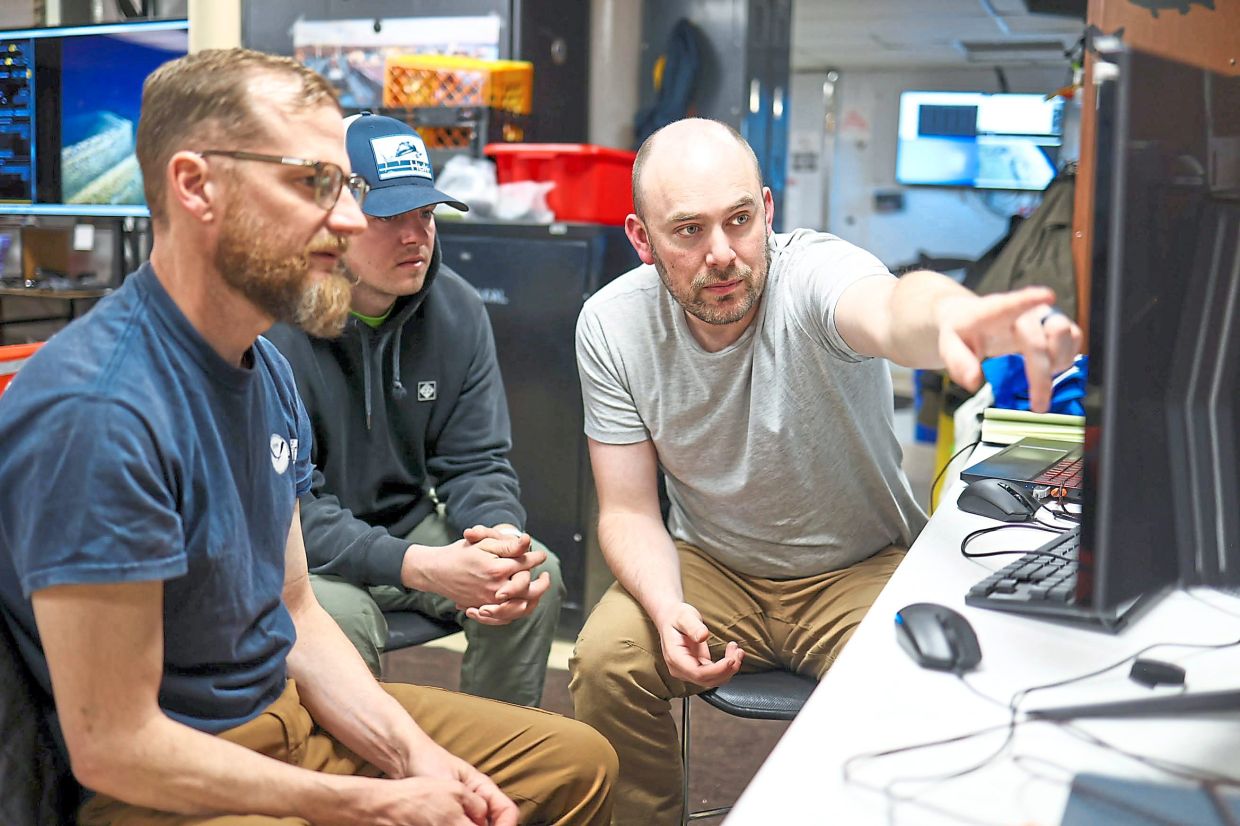
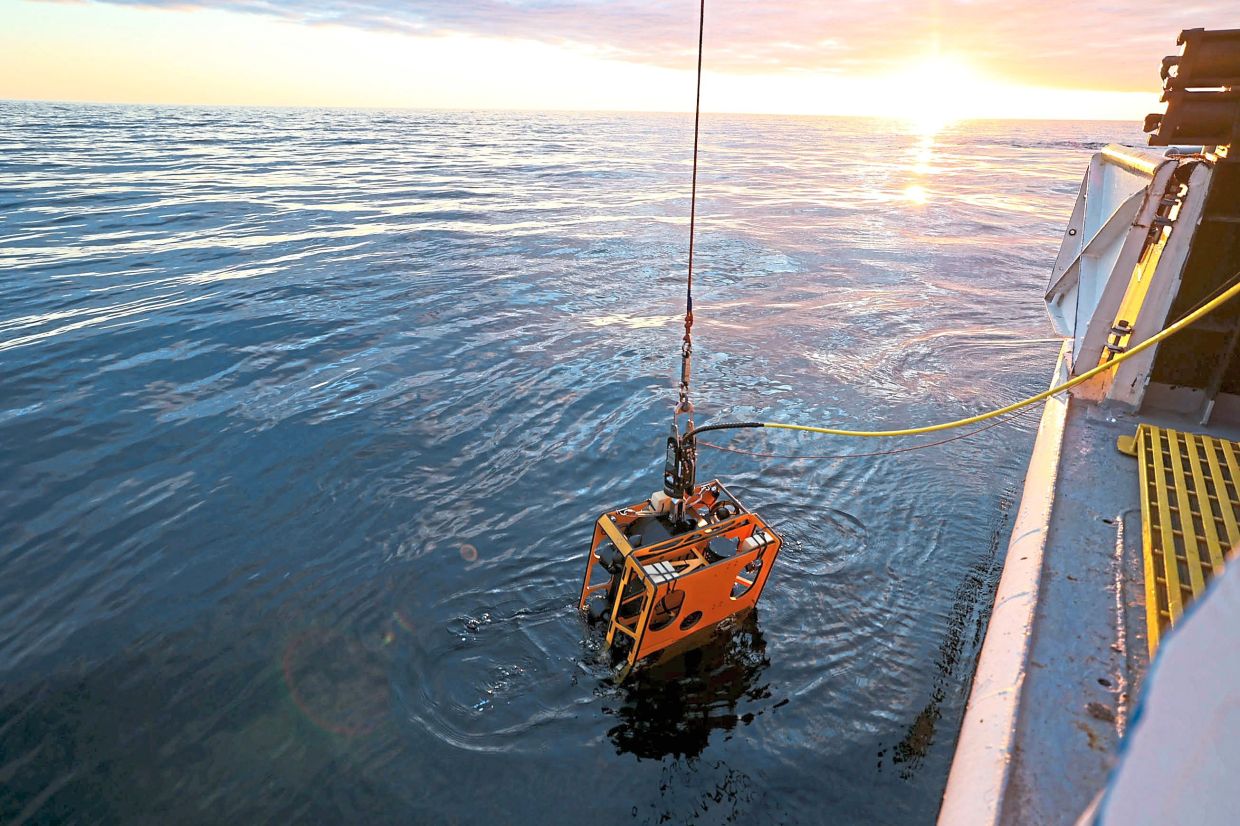
They’re using Rhody, a remotely operated vehicle (ROV) fitted with powerful cameras and lights, to document the submerged skeletons. The images have stunned even seasoned explorers.
“There are lifetimes worth of research potential here,” said Benjamin Ioset, a maritime archaeologist with the National Oceanic and Atmospheric Administration (NOAA).
He grew up nearby and started diving these waters at 14. “I’ve always been in love with this region,” he said.
Ioset now shares that love through science – and by kindling wonder.
When the Lake Guardian briefly returned to port to host students from Oswego High School, their wide-eyed amazement reminded him that shipwrecks weren’t just Mediterranean or Arctic fare.
“Shipwrecks are here too,” he said.
Frozen in time
The Great Lakes are something of a hidden museum. With cool freshwater and little salt, wrecks can remain startlingly intact for centuries – accessible mostly by expert divers or ROVs like Rhody.
“These are some of the most intact and preserved shipwrecks in the entire world,” said Michael Pittavino, curator of the H. Lee White Maritime Museum in Oswego. “The deep, cool water really slows down the degradation.”
Just three days into this latest trip, the team’s sonar detected a new wreck – the sanctuary’s 64th. It’s likely a commercial vessel from the early 1800s, though Ioset said they’ll need “a little bit of detective work” to confirm its identity.
But the main focus isn’t on new discoveries.
The expedition aims to capture detailed imagery of known wrecks: the Farmer’s Daughter, thought to be the oldest ship in the sanctuary; the Philip Becker, a steam-powered tugboat lost in a blizzard in 1879; and the Roberval, a steel-hulled steamer that sank in 1916 after being struck by a massive wave.
Rhody’s dives last four to six hours, yielding footage of haunting clarity.
On the Philip Becker, the pilot house and ship’s wheel are visible in eerie detail, lit by the ROV’s floodlights. On the Farmer’s Daughter, the robot even peered into the hold, revealing intact ceramics, farm tools and barrels.
“It feels like the team is hitting our stride,” said expedition lead Jason Fahy, an ocean engineer from the University of Rhode Island. “Everyone’s been caught in a state of wonder watching the ROV feed.”
From lumber ports to living history
The marine sanctuary is the result of a years-long push by local officials to protect and promote their corner of the Great Lakes.
Eastern Lake Ontario was designated a national sanctuary by the Biden administration in 2023, a status that provides conservation protections – and a publicity boost.
Oswego mayor Robert Corradino hopes the site becomes a magnet for divers and history buffs, pointing to Thunder Bay in Michigan as a model. There, the sanctuary draws thousands to the small town of Alpena every year.
“Shipping on the Great Lakes was a huge thing,” said Lisa Glidden, director of the Great Lakes Institute at Suny Oswego.
In the 19th century, Oswego was a major hub for lumber and freight bound for booming East Coast cities. But the lakes were always treacherous.
“Coming across that lake can be really dangerous,” Glidden said. “Even today, people mostly stay close to the shore.”
The waves, Pittavino added, may be shorter than those on the ocean but are more frequent and forceful.
“There’s a much more condensed wave pattern with more ability to destroy a vessel,” he said. “You can’t outrun a storm on Lake Ontario – there’s nowhere to go.”
A race against time
This surge of discovery comes during what some researchers call a “golden age” of shipwreck exploration, with better cameras, better robots and growing public fascination – helped by popular YouTube videos of ROV dives.
But warming lake temperatures and stronger storms, linked to climate change, could speed up the deterioration of wrecks. And as recreational diving becomes more accessible, the risk of looting or damage rises.
“These will eventually deteriorate,” Ioset said. “We may have better tools in the future, but once these are damaged, we can’t get them back.”
Scientific funding is also under threat.
NOAA’s research budget faces steep cuts, adding pressure on projects like this one.
Still, Fahy – a retired navy commander – said the work is worth the cost.
This isn’t just historical tourism, he argues. The ROV tech has future applications in marine science, infrastructure inspection, even defence.
And the stories preserved below the surface, from pioneer trade routes to tragic blizzards, matter now more than ever.
“These wrecks provide irreplaceable, tangible connections to our history,” Ioset said. — ©2025 The New York Times Company
This article originally appeared in The New York Times
Already a subscriber? Log in
Get 20% OFF The Star Digital Access
Cancel anytime. Ad-free. Unlimited access with perks.