
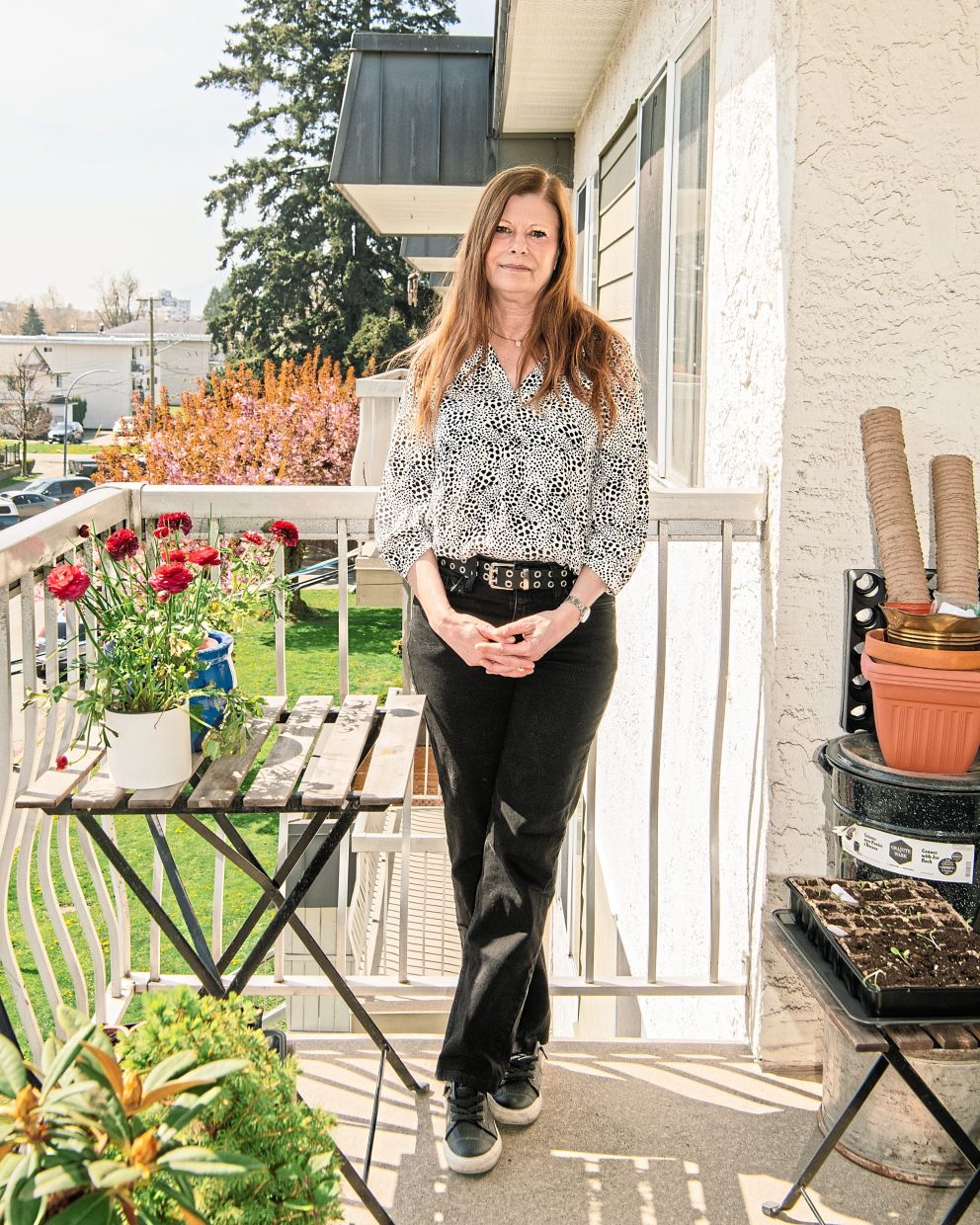
JANET Robertson had few choices after being evicted from her apartment of two decades in Vancouver, Canada’s most expensive city.
Even listings in nearby suburbs were out of reach after years of paying C$900 monthly for her studio apartment. She kept going until she could find something she could afford and ended up renting in a town about 90km east of Vancouver.
“I really didn’t have any other options but to come to Chilliwack,” Robertson said.
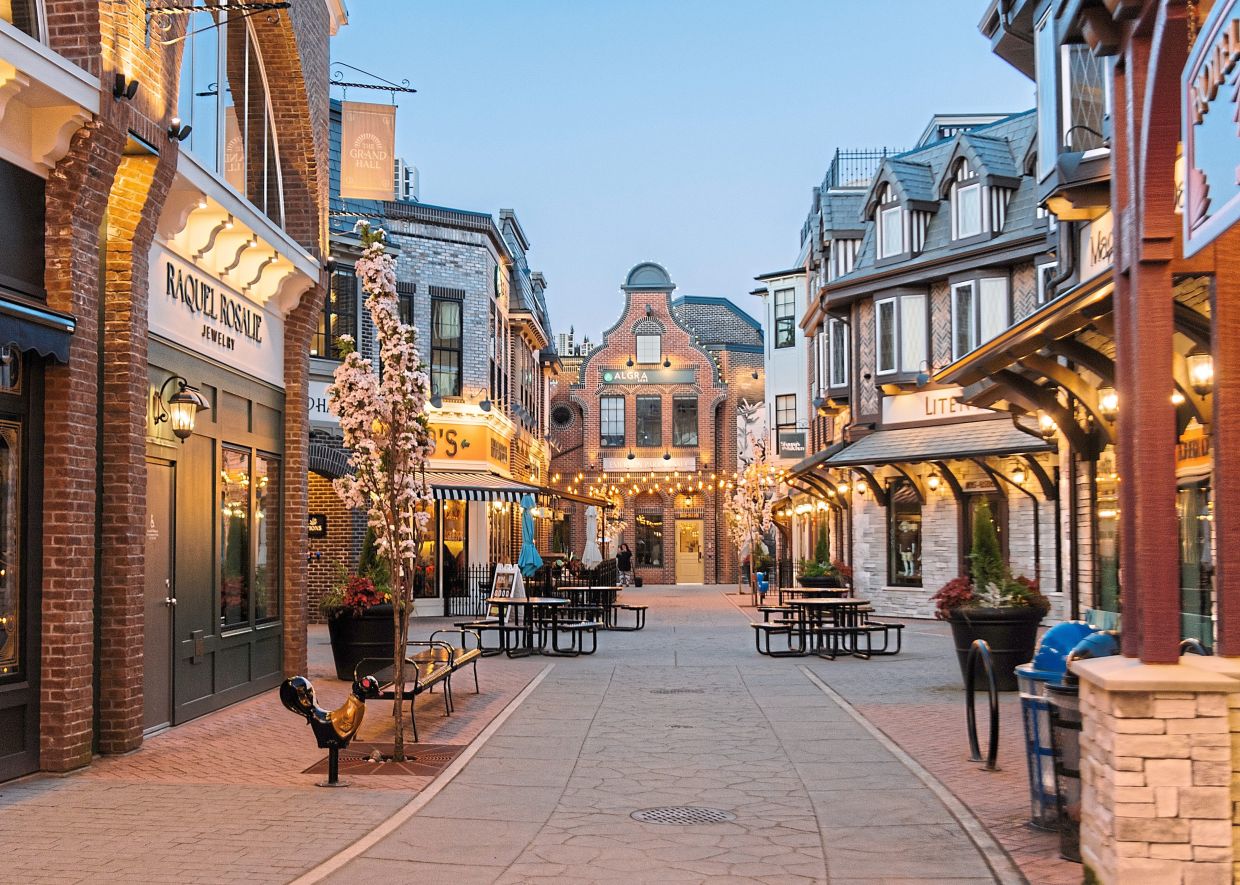
Chilliwack, a farming community in British Columbia encircled by snow-capped peaks, was once looked down on by city dwellers because of its rural and isolated character.
Now, it has become a magnet for people from Vancouver who can no longer afford living there.

Across Canada’s urban centres, climbing housing prices are pushing renters out and making buying a home a distant dream, especially for first-time buyers.
The housing problem, which many in Canada describe as a full-blown crisis, was a top concern for voters in the recent national elections.
Canada’s urban centres and, increasingly, its suburbs are now on lists of the most expensive places in the world to find a home.
In Toronto, the standard price for a single-family home, according to an index used by Canadian real estate agents to compare home sales, is around C$1.4mil compared with C$970,000 in 2020.
In Vancouver, the standard price is even higher, roughly C$2mil compared with C$1.4mil five years ago.
The average rent in Vancouver is about C$2,500 per month, requiring a low six-figure salary to be considered affordable, according to Canada’s national housing agency.
High costs have become a source of concern in wealthy countries around the world, but beyond soaring housing costs, Canadians also face higher prices for groceries and gas.
The economic misery could get worse because of tariffs imposed on many Canadian exports by US President Donald Trump, which could lead to major job losses and even a recession.
Providing relief to beleaguered Canadians was a focus of election campaigns, and the main parties had pledged various other tax breaks for low-income and middle-class families.
In the run-up to election day, “they threw money at voters, which I see as a response to cost-of-living concerns,” said Kathryn Harrison, a political science professor at the University of British Columbia.
Prime Minister Mark Carney, a former leader of the central banks of Canada and England, helped his Liberal Party turn what had been a double-digit-points lead in polls by the Conservatives to an election victory in part because of his past experience dealing with economic crises.
“Carney’s resume was tailor-made for this moment,” Harrison said.
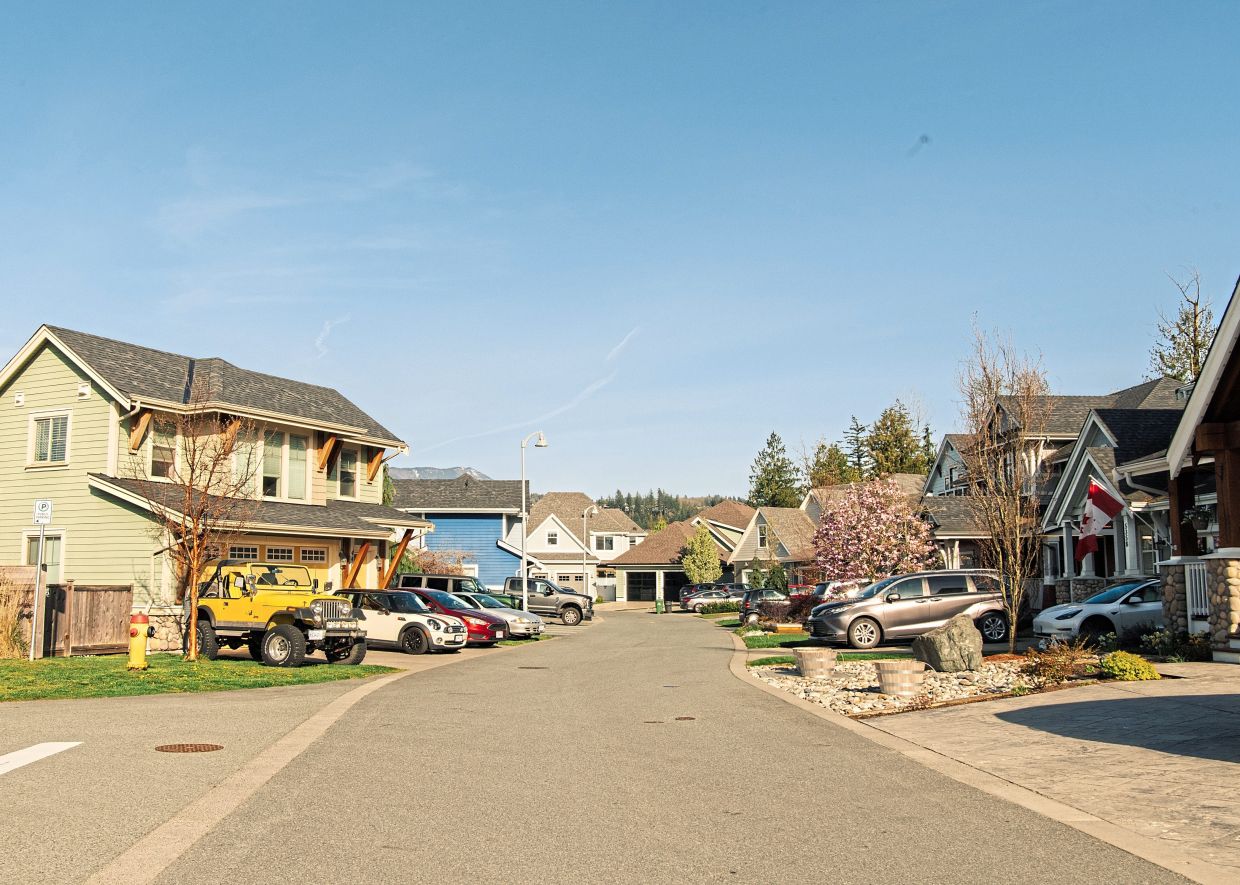
Amid the corn and berry farms that dominate the land around Chilliwack, billboards promoting condos and new homes dot the roads, luring economic refugees who have made the town one of the province’s fastest-growing communities.
Still, despite moving to Chilliwack in search of cheaper housing, Robertson, 64, said she still struggles to pay her rent of C$1,500 for a one-bedroom apartment.
She supplements the fixed government income she receives because of her mental health diagnosis with part-time jobs at a lottery booth and a fast-food restaurant.
“It is expensive on my own to do everything, like internet, Netflix, having a gym membership,” she said. “That’s why I’m looking for a third job.”
Gursharan Dhillon, 38, and his family sold their house in Surrey, a city just outside Vancouver where home prices have also surged, a few months ago to settle in Chilliwack. He works as a long-haul trucker and took another job driving a taxi to make ends meet.
Even so, he and his wife are hoping to have their parents move to Chilliwack to take up farm work and help with expenses.
“It’s very tough,” Dhillon said, as he helped load groceries into the family car in the parking lot of a Real Canadian Superstore.
Kirk Jacobsen, 56, a job recruiter, also sold his house in Surrey, in part because he was concerned that higher living costs would eat into his retirement savings and he was able to buy one in Chilliwack for less money.
“There are so many families that struggle and their children by extension will struggle too, unless they catch a break,” Jacobsen said.
From her expansive yard encircled by towering cedar trees, Emily Jordan, 41, said she feels fortunate to have ended up in Chilliwack.
In Vancouver, she operated a tiny day care out of her apartment, where she could take in only two children.
So Jordan’s family helped pay for a down payment on a home in Chilliwack and she’s been able to expand her business.
“I wouldn’t have been able to find anything like this in Vancouver, nor would I have been able to afford it,” Jordan said.
But having just recently opened her new day care, she still faces debt, she said.
“I’m always kind of worried because I’m spending money that I don’t have.”
Even in Chilliwack, home prices are climbing.
“Your basic house price is pushing a million bucks now,” said Ken Popove, the mayor. “The word ‘affordability’ is kind of a moot point.”
Still, its relatively low real estate prices have helped turn Chilliwack into a boom town.
Its population has risen in the past five years by 10,000 people, to about 108,000.
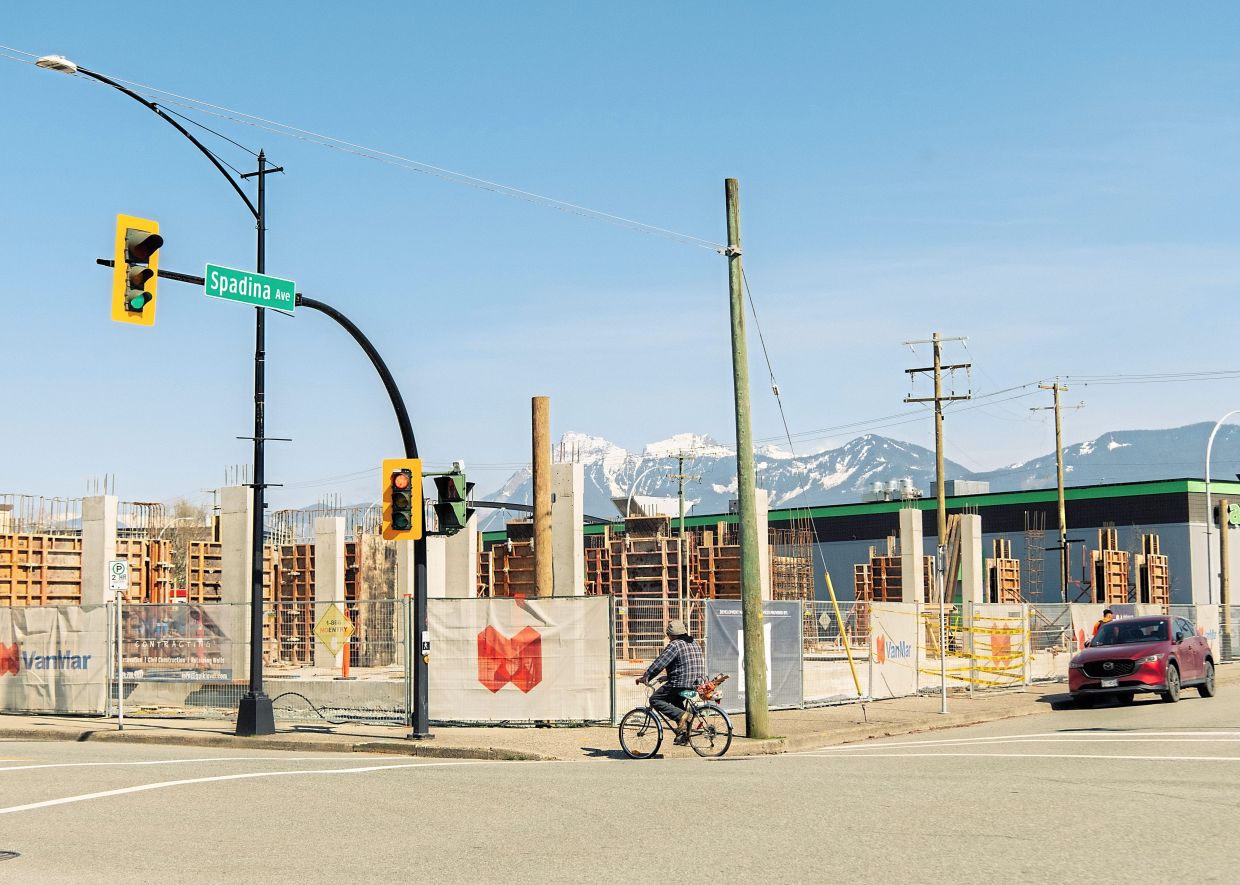
Residential construction projects are everywhere.
“We’ve now got a rush hour,” Popove said.
With growth have come economic opportunities, including a new Red Bull ingredient processing plant, as well as other businesses and a revitalised downtown.
But development has also inflicted pain on some long-time residents.
Lynne Larsen, 82, said the thrift store she manages will close its doors after 26 years because a new landlord has doubled the rent. — ©2025 The New York Times Company
This article originally appeared in The New York Times
Already a subscriber? Log in
Get 20% OFF The Star Digital Access
Cancel anytime. Ad-free. Unlimited access with perks.