There is a growing appreciation for Malaysia’s rich kampung life, but more needs to be done to promote it to international tourists. Motac's Visit Homestay 2025 initiative strikes a delicate balance between boosting these rustic attractions and protecting the local communities from overtourism and cultural insensitivities.
COOL winds, warm nights.
That is the modern adage to reflect the simplicity and rustic nature of rural life in Malaysia, which is currently being hoisted as one of the major tourism products through the ongoing Visit Homestay (VH) 2025 – the first of its kind – set up by the Tourism, Arts and Culture Ministry (Motac), following the sector’s decades-worth of lucrative returns as a product.
Homestays have been making the proverbial sonorous “ka-ching” sound of cash registry machines for years; in 2023 alone, Motac’s data reveals that as much as RM40.5mil in revenue was recorded, and as of September last year, RM39.5mil was earned.
However, on average, homestay guests are mostly made up of locals – only 10% of the visitors are foreign tourists. Despite its growing popularity and tourists’ rising penchant for unique experiences, more needs to be done to promote our quaint kampung life to the world, something that Motac hopes its VH2025 will achieve ahead of Visit Malaysia 2026.
Cashing in on the kampung
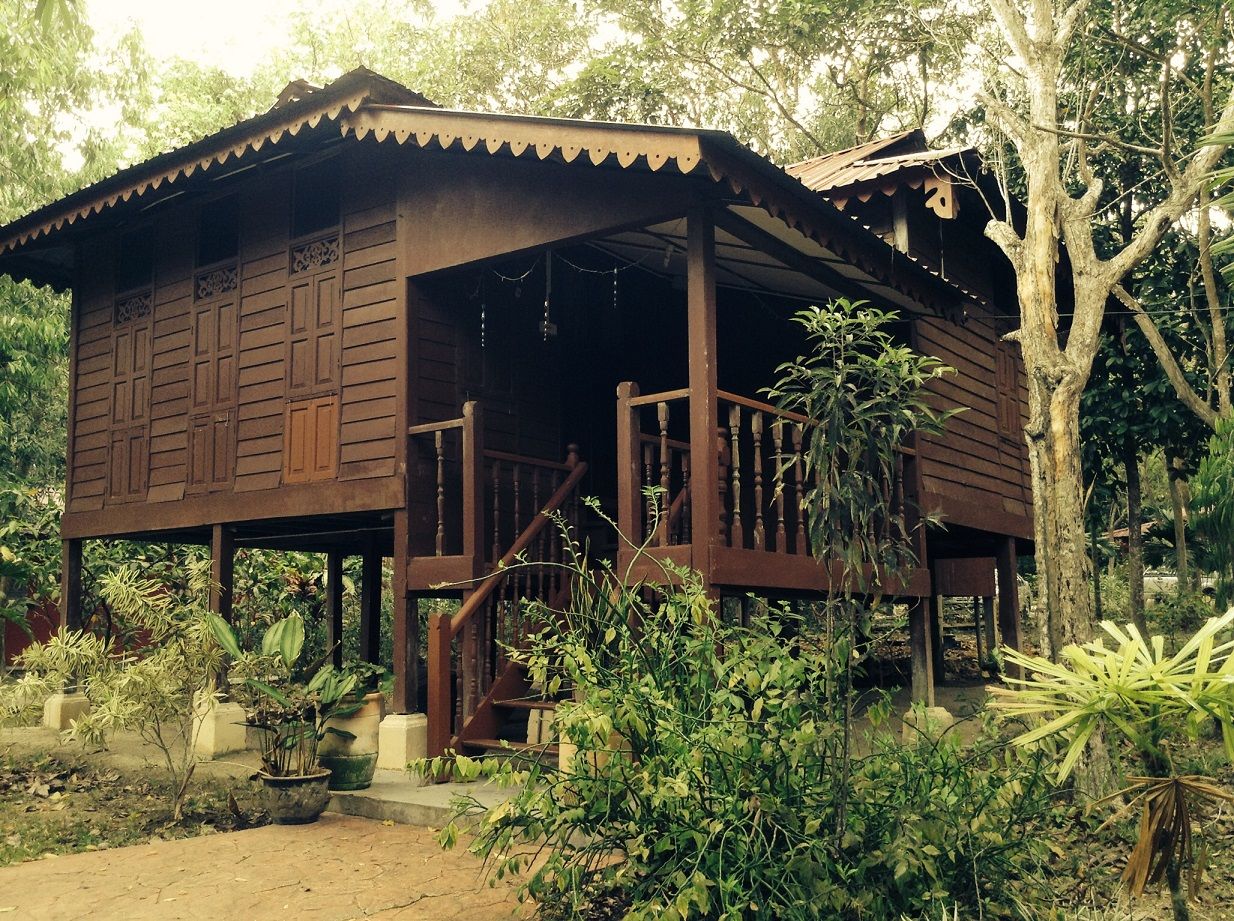
Motac’s homestay programme gives tourists the opportunity to stay with a local family and experience what daily life is like in their community. During their stay, they get the chance to learn about the culture and lifestyle of that community, as well as try their hand at select "village activities". In Malaysia, tourists mainly get to experience living in a traditional village home, also known as kampungstay.
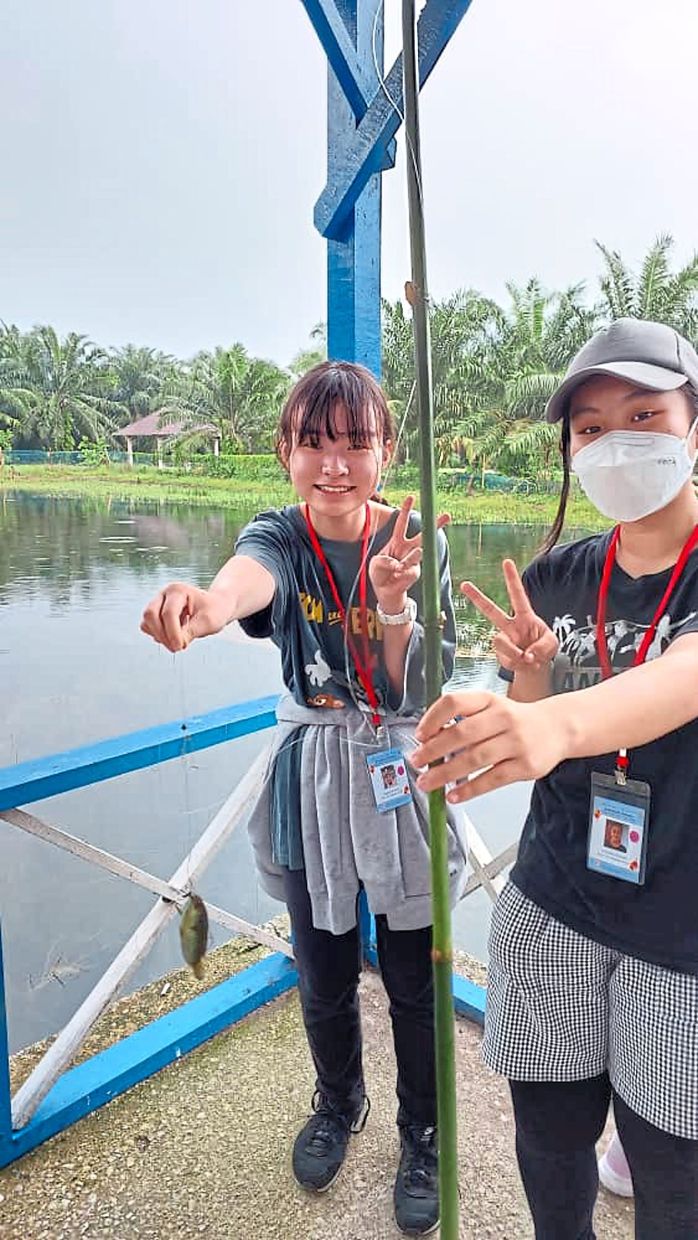
As of now, there are 222 villages registered to run this tourism product, consisting of 8,342 available accommodations nationwide.
VH2025 is also one of the measures to promote Malaysia’s experiential tourism, especially in the outdoors and lush nature of rural areas, where culture and the local lifestyle have piqued the interest of tourists, as noted by industry players.
According to Malaysia Homestay Association (MHA) president Datuk Sahariman Hamdan a host of events have been lined up this year, including kite festivals, cultural shows, craftmaking, culinary demonstrations, and cooking classes as well as eco-adventures.
“We have 33 events in our calendars throughout the country. Every state will host at least two events. And among these planned activities, there will be one designed to accommodate Asean elements and others will be something akin to more outside the region.
“We have been going all out last year visiting other countries – including India – to promote VH2025, to attract more foreign tourists to Malaysia.”
Sahariman says much has been done to improve the quality of homestay and kampungstay facilities and infrastructure since last year.
“Back then (about 20 years ago) only one homestay per village was allowed. Now, we can group about five villages in expanding the homestay or kampungstay area under a single banner.
“So the villagers can work in a community to expand the tourism product.”
He adds that there is a new system in which new fitness checks on the facilities of homestays and kampungstays will be carried out by Motac inspectors to see if the premises qualify as a tourism product.
“Last time, we are accorded with a lifetime certificate to run the business. Now, these inspectors will pay a visit every three to five years to see if the premises are fit for service before renewing the certificate.”
Good prospects
A homestay operator in Langkawi, Mokhtar Sabudin, is excited that the VH 2025 will bring more tourists to Malaysian shores but remains concerned over the promotional programmes carried out by several state governments.
He says some states are especially aggressive in their campaigning, as seen in the revenue brought in last year. For example, according to Motac’s data, the top four money-spinners in September 2024 were Sabah at RM10.6mil, followed by Pahang with RM7.9mil, Johor with RM6.6mil and Sarawak with RM4.9mil.
Mokhtar, who is also the Malaysia Homestay Association (MHA) secretary-general, says Sabah and Sarawak homestay products, for example, are very well-known for their nature attractions and eco-adventure activities, especially among foreigners.
He says while Motac and MHA have always been on the ball in promoting the products, state governments can do more alongside operators to help ramp up the campaign for VH2025.
“State government can play a role too in promoting tourism products. There are many state agencies, including those in charge of rural development, to help out.”
He says previously, there had been an aggressive campaign through the mainstream media publicising such tourism products: “You could find advertisements promoting products (including homestays and visits to popular spots) almost daily, including in tourism pullouts.
“These things can only happen if all parties take part in efforts to spur the industry. And even if today, where most of the media is online, a similar approach can be taken.”
At press time, several state executive councillors in charge of tourism portfolios had yet to respond to queries about their promotional strategies.
Despite the ongoing encouraging results, some questions remain: What measures are in place to prevent the potential adverse effects of overtourism and safeguard cultural sensitivities in these homestay and kampung spots?
Overtourism, for example, has been the bane of many similar tourism products worldwide; the impact, to say the least, is undesirable. For instance, the Unesco-listed Japanese village Shirakawa-go sees excessive day trippers, leading to traffic congestion and noise pollution. The same goes in Bali, Indonesia, where overcrowding sees the people of Ubud suffering from rising costs of living.
Back home in Malaysia, industry players are also urging relevant bodies to further strengthen these product’s resilience by overcoming problems such as poor promotions by several states and the mushrooming of illegal homestays.
Mitigating measures
While VH2025 promises an authentic rural experience, challenges such as overtourism, cultural insensitivity, and safety issues must be carefully managed to maintain the integrity of local communities, says Universiti Teknologi Mara’s hospitality and tourism expert, senior lecturer Dr Mohd Noor Ismawi Ismail.

Based on examples of uncontrolled tourism taking place in other countries, Ismawi points out that such a problem can overwhelm small villages leading to environmental degradation and loss of cultural authenticity.
He proposes the implementation of a visitor quota system to ensure homestays do not exceed their carrying capacity.
“Additionally, a seasonal rotation strategy can help spread tourist arrivals more evenly throughout the year.”
Globally, capping the number of visitors is not new – one of the foremost examples is Machu Picchu in Peru, where before the Covid-19 pandemic, the grand archaeological site greeted more than 4,000 visitors daily. After the pandemic, the Peruvian government limited the number of visitors to 2,200 a day.
Ismawi says cultural insensitivity is another key concern, citing examples of inappropriate attire, disrespecting religious practices and treating local traditions as entertainment.
He stresses the need for mandatory cultural briefings for visitors to foster an understanding of local customs, while homestay operators should be trained in cross-cultural communication.
“The goal is to encourage tourism that respects and uplifts traditional kampung life rather than commodifying it. Tour guides can also play their roles to educate their groups.”
There are also other issues throughout VH2025 this year, particularly on the environment, such as waste management and overuse of local resources like water and electricity due to the rise in tourism.
“(There is a need to) introduce guidelines for homestay operators to adopt ecofriendly practices and promote the use of renewable energy sources such as waste recycling, solar energy use, and water conservation methods.
“Educate tourists on the importance of sustainability and encourage them to follow environmentally responsible behaviour during their stay.”
All geared up
Basir Wagiman, a kampungstay coordinator in Sungai Pelek, Selangor, says the villagers participating in kampungstay tourism have long been trained and prepared to play host and welcome tourists into their abodes.
“Years ago, before we started this business, we had discussions among ourselves to see if we were ready. I asked some villagers if they were willing to take part in this community endeavour. And so far, today, things are going well. We were trained (by Motac) on being a good host as well.”
As for the guests, Basir says they are usually briefed on the dos and don’ts by tour agents while at the village, including on proper attire and being respectful of local cultures.
“And so far all of our guests have abided by the rules and do not take cultural sensitivities for granted.”
Ismawi says willingness and preparation are essential to prevent host-tourist conflict.
“Frequent guests in homestay operators’ homes may lead to discomfort for local families, intruding on their personal space. To eliminate these privacy concerns for hosts, the operators must be ready and willing to be in business. Training on how to be a good host can be conducted by Motac.
“At the same time, the issue of the differences in expectations where tourists may expect luxury experiences in rural settings, leading to dissatisfaction when those expectations are not met, can be prevented when the travel agent, intermediaries or guides adequately furnish the tourists with the right information.”
Jom balik kampung!
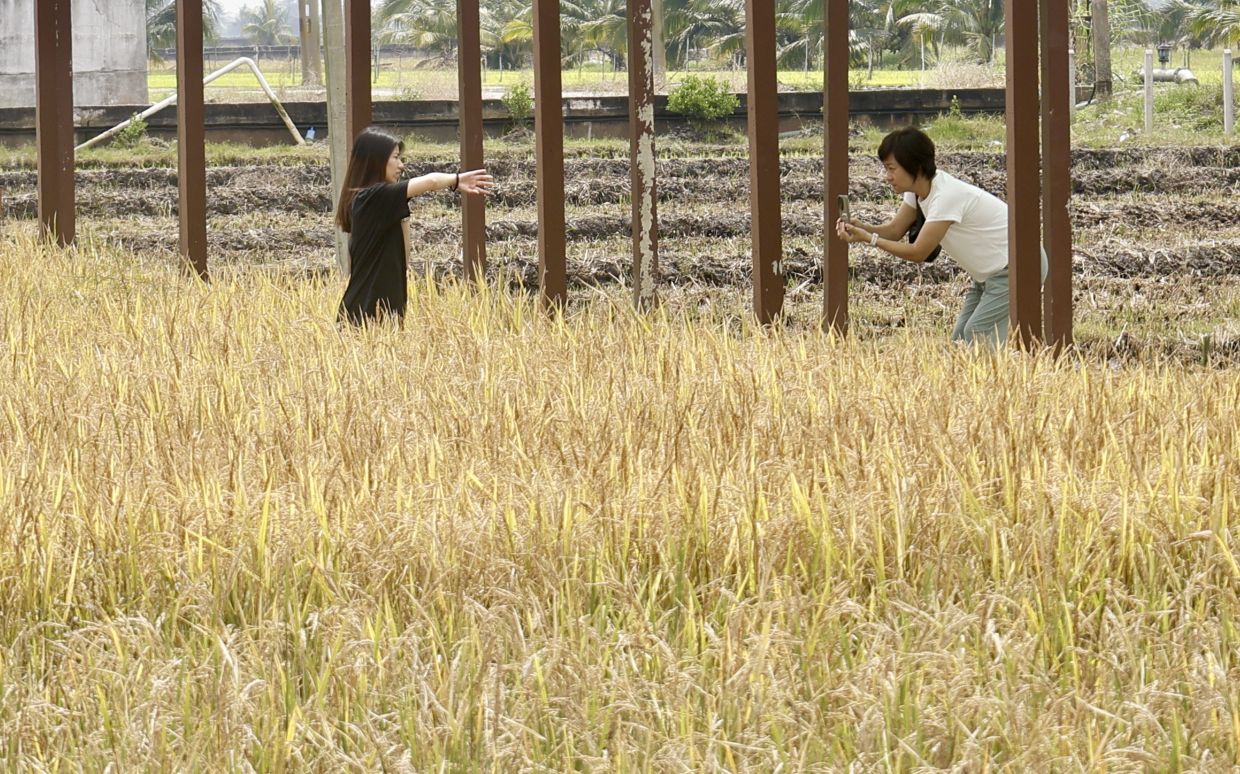

The lush paddy field in Sekinchan, Selangor. — FAIHAN GHANI/The Star
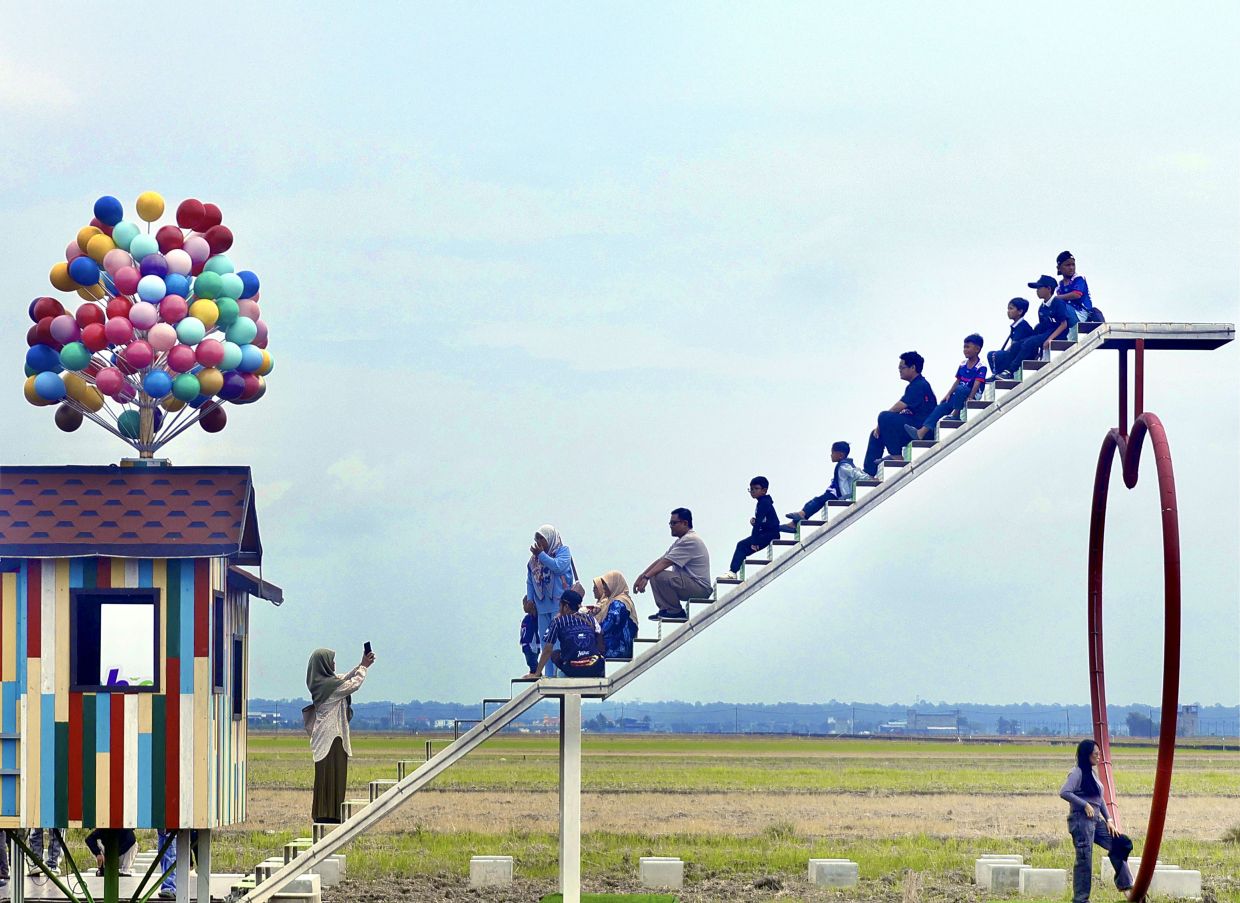
Local flavour: Visitors capturing unforgettable memories in the padi fields of Sekinchan, Selangor. — FAIHAN GHANI/The Star
The circular-designed rattans on the ceiling of Peraya Homestay in Kuching, Sarawak. — Sarawak Tourism Board
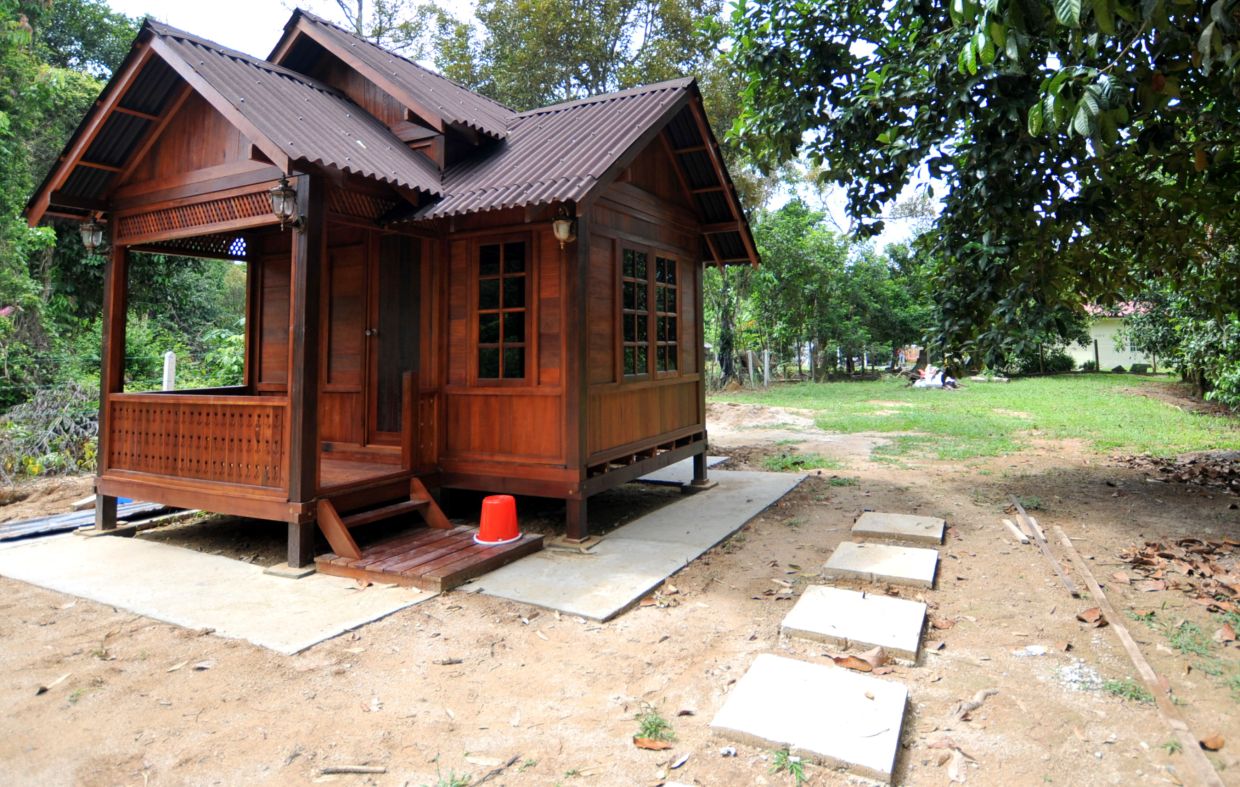
One of the accommodations at Homestay Kampung Pelegong. — Gaya Travel Magazine