IN Malaysia, there is a difference between a “homestay” and other accommodation facilities, which are usually classified as “short-term rental accommodation” (STRA).
The latter, while often advertised as a “homestay”, only offers accommodation. A homestay as the Tourism, Arts and Culture Ministry (Motac) defines it, however, involves the guests staying with a host family in their home, experiencing the local lifestyle and culture firsthand. It is more than just accommodation; it is an immersive cultural exchange.
“Homestays are defined as accommodation premises where the guests and tourists stay together with the homestay experience operator (or hosts),” the Motac guidelines say.
Homestays are regulated by the ministry and must be registered under the Malaysia Homestay Experience Programme. The programme ensures that homestays meet specific standards and provide authentic cultural experiences.
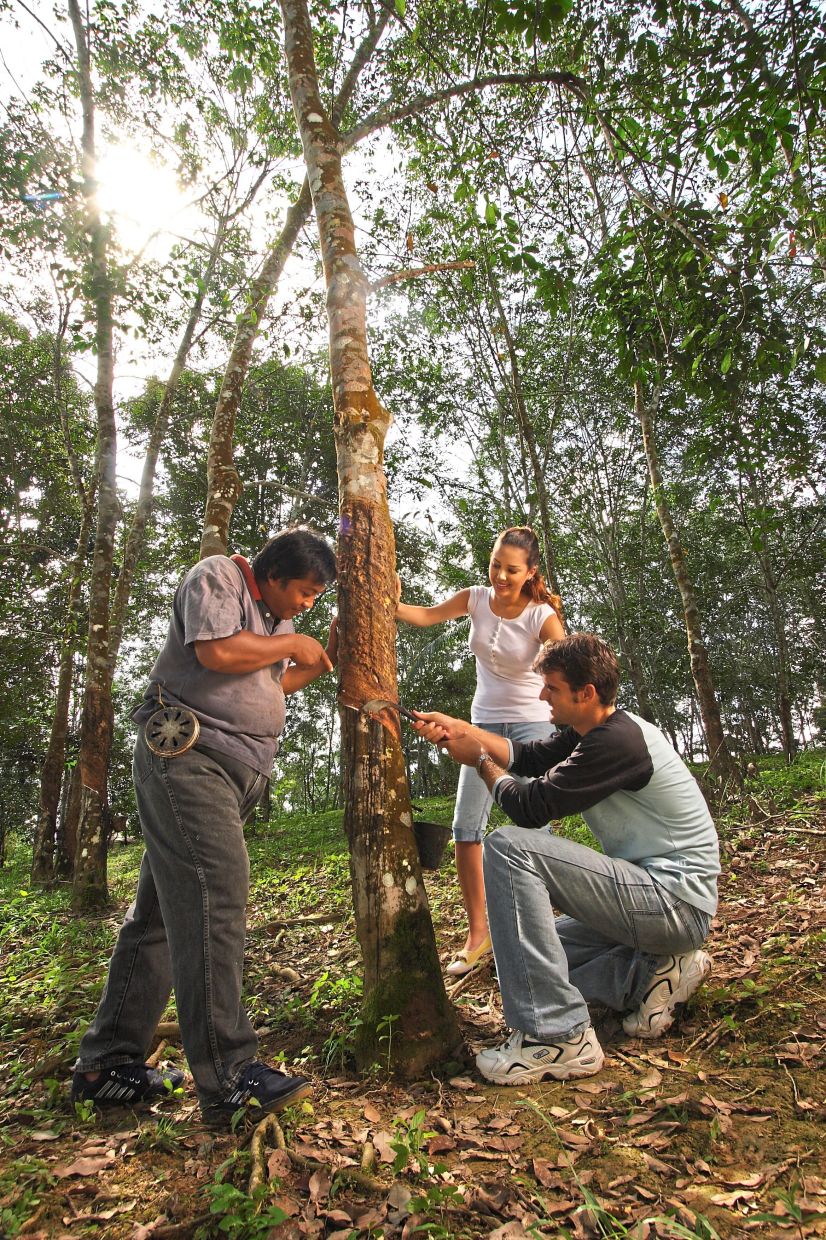
The objective of homestays is to promote cultural tourism and provide tourists with a genuine experience of Malaysian hospitality and traditions.
The homestay product has also been expanded to a larger scale and branded as “kampungstay” (see below).
Meanwhile, STRA refers to residential properties rented out for short periods, typically through digital platforms like Airbnb and Booking.com, among others. It includes apartments, houses and other types of residential units. The STRA also comes under a different supervision. Unlike homestays that are registered under Motac, STRA is supervised by the Local Government and Housing Ministry.
However, at the same time, there are also illegal homestays – a type of accommodation similar to STRA but branded as a “homestay” but without the experiential packages.
Malaysia Homestay Association secretary-general Mokhtar Sabudin says it is difficult to ascertain the number of these unregistered homestays.
“If there are 10 registered homestays in an area, there will always be more of the illegal ones nearby. These illegal ones can cause problems for locals, especially if they are set up in residential areas. There will be traffic, noise and pollution issues.”
As of now, the national framework for STRA is being drawn up to address issues, among others, such as potential neighbourhood disturbances and the impact on local communities. It has been reported that the regulations may include restrictions on the number of nights a property can be rented out.
Last August, The Star reported that Motac is also drafting its own standard operating procedure for accommodation providers, including homestay operators, to enhance safety protocols and accommodation quality.
Its Minister, Datuk Seri Tiong King Sing, said the SOP would help to improve the service, “ensuring a consistently positive experience for tourists across the nation’s diverse range of lodgings”.
Universiti Teknologi Mara’s hospitality and tourism expert, senior lecturer Dr Mohd Noor Ismawi Ismail, notes that the proliferation of unregistered rentals has brought about regulatory hurdles for Malaysian authorities.
“Without official registration, it becomes challenging to enforce consistent quality standards, ensure compliance with safety regulations, and collect taxes from these accommodations.
“This regulatory gap not only compromises consumer protection but also undermines the government’s ability to regulate and support a fair playing field within the tourism industry.”
He also says it has economic implications, particularly in terms of revenue loss for licensed accommodations, as more travellers opt for cheaper alternatives, which might lead to licensed hotels experiencing a decline in revenue from tourism-related taxes and fees.
“This reduction in income can impact the overall tourism economy, affecting businesses dependent on tourist spending and diminishing funds available for local development and infrastructure projects.
“The benefits of tourism income may not be equally distributed when unregistered rentals dominate. The money might flow to individual property owners rather than into broader local economies that benefit from regulated tourism activities.”
On Jan 28, it was reported that Chinese new villages will also be developed as one of Malaysia’s tourism products ahead of Visit Malaysia 2026.
According to Malaysian Chinese New Village Secretariat chairman Khoo Poay Tiong, there are 613 Chinese new villages nationwide, each with its own unique history, arts and culture.
ALSO READ: Chinese new villages to become attractions for VM2026
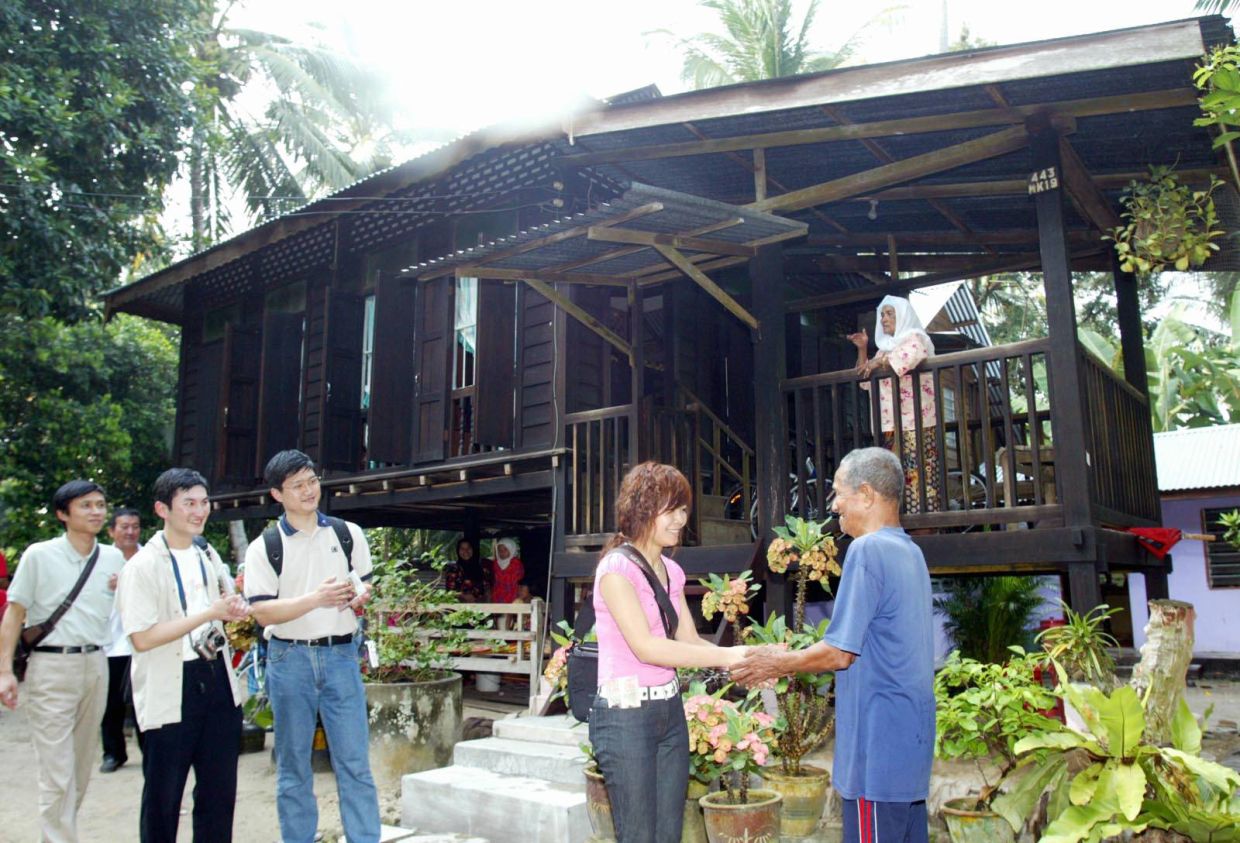
What is kampungstay?
Kampungstay is a unique accommodation concept that offers tourists an immersive experience in traditional village life.
Unlike typical homestays, kampungstays provide a blend of modern and traditional living, allowing guests to enjoy the serene and authentic atmosphere of a Malaysian village.
Among the key features of kampungstay include :
> A mix of traditional village houses and modern amenities, ensuring comfort while preserving the cultural essence.
> Guests can participate in various cultural activities such as traditional cooking, farming and crafts, providing a deeper understanding of local customs and lifestyles.
> Kampungstays often involve the local community, allowing guests to interact with villagers and learn about their daily lives.
> A kampungstay is also unique in the sense that it is a community-based project to earn revenue for a village, in a setting akin to a tourist zone.
Today, kampungstays are becoming increasingly popular as they offer a unique way to experience Malaysia’s rich cultural heritage and rural charm. They provide an alternative to conventional tourism, promoting sustainable and community-based tourism practices.
Source: Motac