
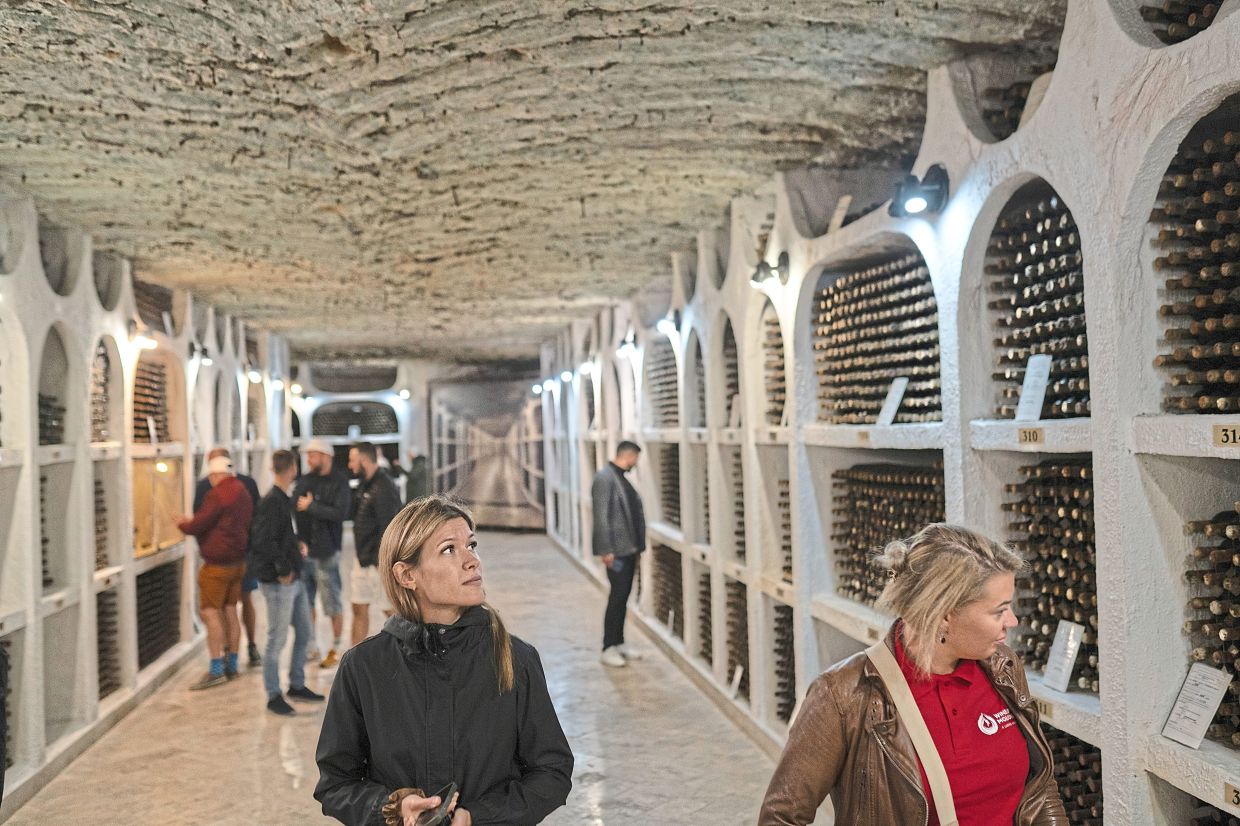
HERMANN Goering, Adolf Hitler’s second-in-command, survived the cut. Bottles of wine once owned by him – part of a collection seized by the Soviet army as spoils of World War II and stashed in Moldova’s labyrinthine underground cellars – remain on display.
So, too, do 460 bottles given in 2013 to then-US Secretary of State John Kerry. The collection, valued at US$8,340, resides untouched in a cubbyhole at Cricova Winery. Kerry left the gift behind, likely mindful of its declared worth.
But Vladimir Putin’s presence has been erased.
The Russian president’s wine bottles, once proudly displayed, have been removed from view in the sprawling complex of tunnels under vineyards north of Moldova’s capital, Chisinau.
His photo is gone, and his bottles now languish in a sealed-off corner, deemed unfit for display after his 2022 invasion of Ukraine.
“For a long time, we faced questions about why his collection remained,” said Cricova’s director, Sorin Maslo.
The banishment, he explained, reflects Moldova’s broader rejection of Russian influence.
Breaking ties with Moscow
Wine has long symbolised Moldova’s fraught relationship with Russia, oscillating between shared culture and political discord.
This rupture culminated in October last year when Moldova’s electorate voted narrowly to amend the constitution, solidifying its alignment with Europe.
Cricova’s disassociation from Putin is the latest in a series of moves signalling Moldova’s shift away from Moscow.
In 2006, Russia banned Moldovan wine imports, citing supposed quality concerns. The move, widely regarded as political retaliation for Moldova’s demand that Russia cease supporting Transnistria – a breakaway region – spurred Moldovan winemakers to seek Western markets.
“Russia’s embargo forced us to innovate and look West,” said Stefan Iamandi, director of Moldova’s National Office for Vine and Wine.
Once reliant on Russia for 80% of its wine exports, Moldova now sends over half its bottles to the European Union. Russia accounts for just 2%.
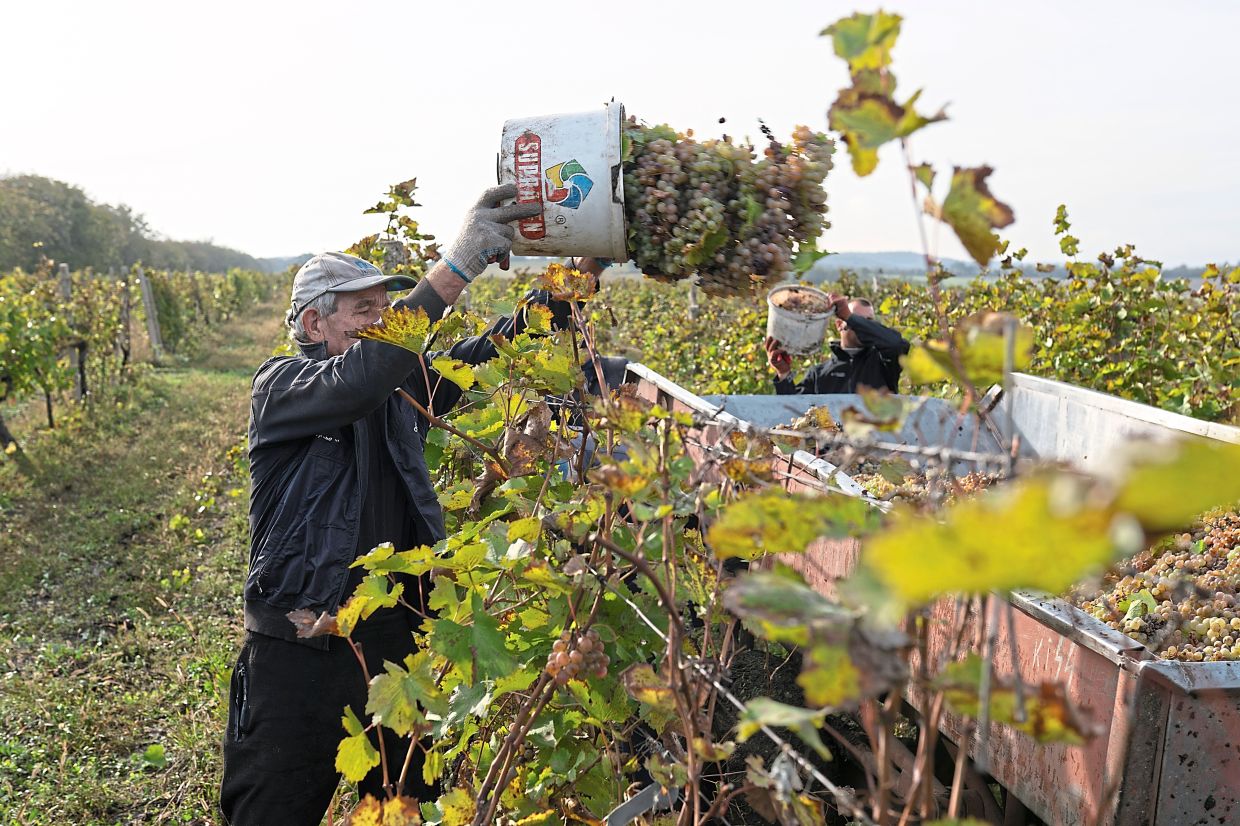
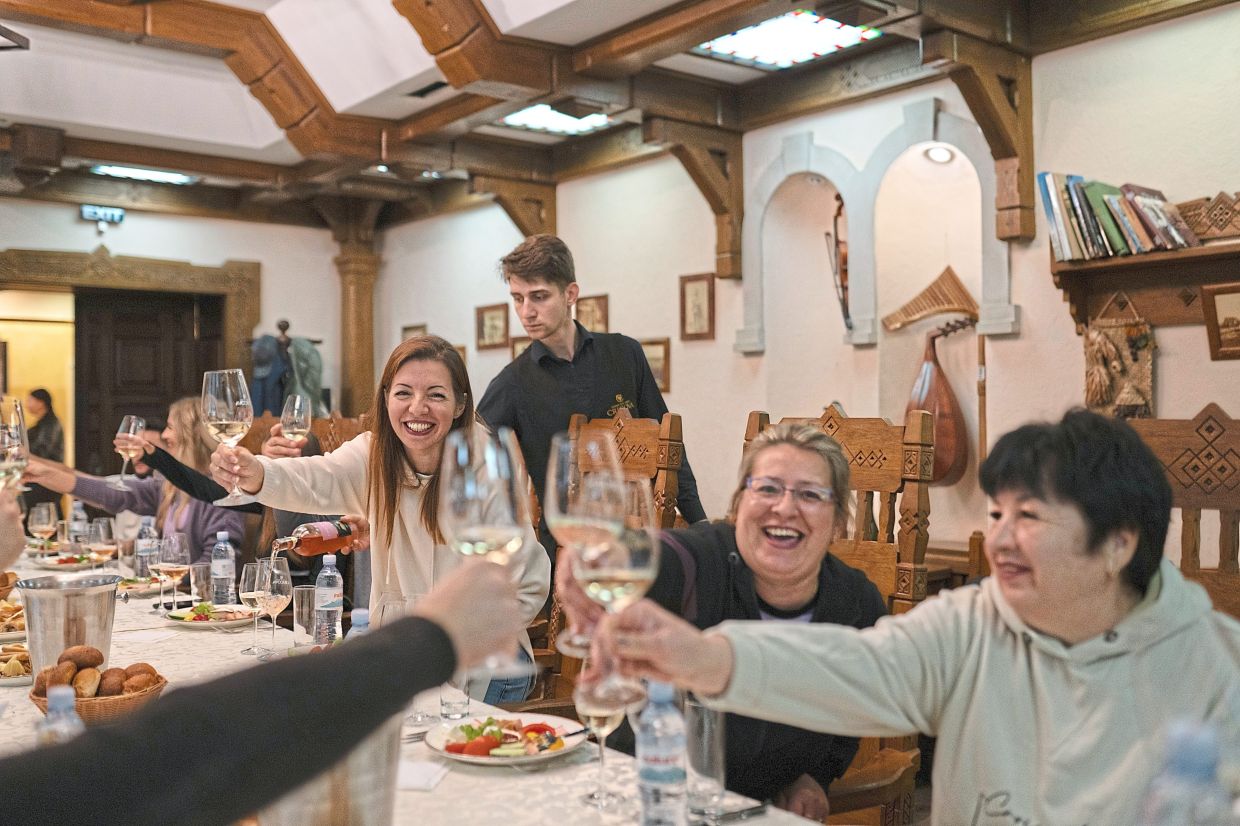
This pivot has seen Moldovan wineries abandon the sugary styles once favoured in Soviet markets, focusing instead on high-quality varieties that win international accolades.
Georgia, another former Soviet republic, experienced a similar trajectory after a 2006 Russian ban, shifting its wine exports toward Europe.
Moldova’s wine legacy
Wine has been central to Moldova’s identity for centuries.
Evidence of grape cultivation stretches back thousands of years, and Moldovan wine flowed steadily to Russia from the 14th century onwards.
During the Soviet era, vineyards in Moldova and Georgia supplied much of the wine consumed in the USSR.
But this legacy came under threat in 1985 when Mikhail Gorbachev’s anti-alcohol campaign led to the destruction of many vineyards.
Moldova resisted, repurposing some of its grapes for fruit juice while preserving much of its winemaking capacity.
Moldova’s unique relationship with wine is embodied by Cricova’s subterranean cellars, a sprawling network of tunnels extending 120km.
Originally limestone mines, the tunnels now house 1.2 million bottles. Each “street” is named after a wine variety, such as cabernet, pinot noir or Feteasca, with electric buggies transporting workers and visitors through the underground city.
A labour of tradition
Beneath the cellars’ glitz lies hard work.
Deep underground, a team of women spends their days meticulously turning bottles of sparkling wine stored neck down. This ensures sediment collects in the neck, facilitating its removal during bottling.
“Men get bored too easily,” said Maslo, explaining why this task is entrusted to women.
Lybov Zolotko, who twists at least 30,000 bottles daily, admitted the work can be tedious but values the steady pay in a country where secure jobs are rare.
A place for dignitaries
Cricova has hosted many high-profile visitors.
Yuri Gagarin, the first man in space, famously spent two days at the winery in 1966.
Legends claim he sampled so much wine he had to be carried out, though Maslo insists this is an exaggeration. Gagarin’s handwritten note praising the wine remains proudly displayed.
By contrast, Putin’s visits, once a point of pride, are now a source of regret.
In 2002, the Russian leader celebrated his 50th birthday in Cricova’s cellars, accompanied by Moldova’s then-president, Vladimir Voronin.
Putin received a crocodile-shaped wine bottle as a gift and reportedly left a positive impression on his hosts. Today, however, that camaraderie feels like a relic of a bygone era.
“They were friends back then,” recalled Tatiana Ursu, a Cricova employee of 30 years who hosted Putin during his visit. “It was a different time.” — ©2025 The New York Times Company