



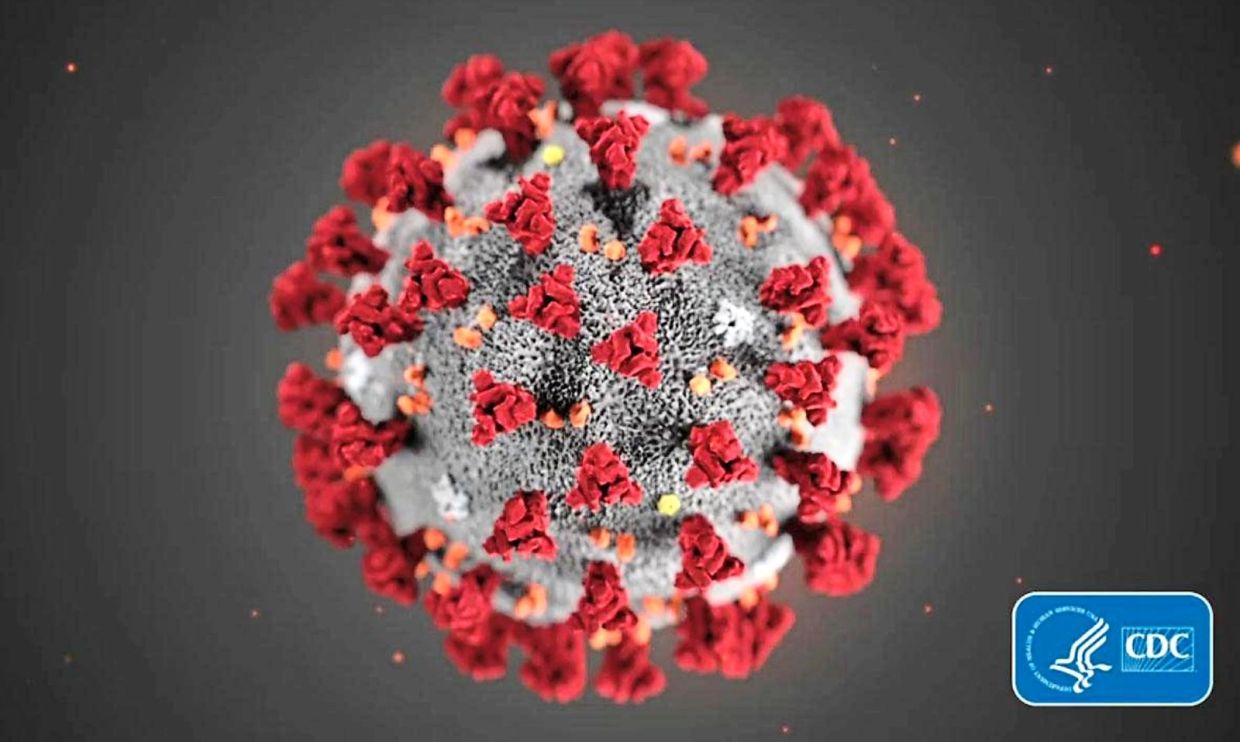
AS the country transitions towards Covid-19 endemicity, the virus too is changing as it attempts to co-exist with potential hosts, some experts say.
With the high vaccination rate against SARS-CoV-2, future variants of the virus may even evolve to be more infectious as well as immune evasive.
But it does not mean that the virus will continuously turn virulent along the way; it could also become less severe, leading to mild or negligible symptoms.
People’s herd immunity can also affect the virus’s infection, although an outbreak can occur if an infectious new variant manages to avoid antibodies; outbreaks can also occur among clusters of those who have yet to be vaccinated or belong to a high-risk group.
As of now, the Health Ministry is looking into new preventive standard operating procedures (SOP) following the World Health Organisation’s (WHO) recent announcement delisting Covid-19 as a public health emergency.
While the WHO acknowledges that there are remaining uncertainties caused by the potential evolution of SARS-CoV-2, it advises that it is time to transition to the long-term management of the pandemic. This is due to the decreasing trend in Covid-19 deaths, the decline in Covid-19-related hospitalisations and intensive care unit admissions, as well as the high levels of population immunity.
The global public health agency’s latest statistics show that from Jan 3, 2020, until June 7 this year, Malaysia recorded around 5.1 million cases of Covid-19, with 37,087 deaths. More than 72 million vaccine doses have been administered as of May 27, 2023.
Surviving hosts
Universiti Malaya’s public health expert and epidemiologist Prof Dr Moy Foong Ming says, primarily, SARS-CoV-2 survives by causing mild or moderate illness among infected individuals, who will then infect others with the virus before symptoms appear.
“For the virus to spread to more people and outcompete previous variants, it needs to be good at evading antibodies and other immune responses.
“So future variants will likely continue to improve their ability to infect and continue to be more immune evasive.”
Nevertheless, Dr Moy says the human body will adapt to the changes and manage possible infection.
“Whether those changes [of the virus] also make the new variant more severe or less severe, another factor that needs to be considered is people’s immunity.
“Just as the virus is changing and evolving, so is our immune system. Currently, there are high vaccination and infection rates at the population level.”

She says this is particularly illustrated among those who have achieved hybrid immunity, gained through vaccination and previous infection with Covid-19.
“Studies have found that individuals who have been vaccinated and previously infected are more likely to have a milder course when they are re-infected.
“With hybrid immunity, the new variant may not cause severe symptoms. However, it may cause severe symptoms among the high-risk groups or those not vaccinated.”
Universiti Putra Malaysia’s virologist Assoc Prof Dr Chee Hui Yee echoes a similar take, saying the virulence of the virus is likely to be reduced, thus lowering the risk of severe symptoms for the host.
“The virus is using the host to replicate its genetic material. It uses the host to reproduce itself, so to speak. It will not want to kill the host. It will co-exist with us.”
She does not rule out future outbreaks, especially among the unvaccinated and those without immunity against the virus.
“More mutations will occur as [the virus] infects more people. There will be a time when our immunity against the virus wanes and outbreaks happen. People are social creatures, after all.”
Learning from experience
Earlier this month, Health Minister Dr Zaliha Mustafa said her ministry will iron out a new Covid-19 SOP, an indication of the country finally fast-tracking towards endemicity after more than a year in a transition phase.
ALSO READ: Health Ministry to discuss Covid-19 SOPs in mid-June, says Dr Zaliha
Dr Moy says judging from the country’s experience during the pandemic, public health measures instituted were effective in containing the spread of Covid-19.
“We also learnt that we need to continue with surveillance, genome sequencing, and sharing of data with other countries.
“Once there are surges in cases, the machinery for all the public health measures should be re-introduced and implemented.
“The Health Ministry should also be ready with more resources and healthcare workers to deal with more patients” if there are sudden outbreaks.
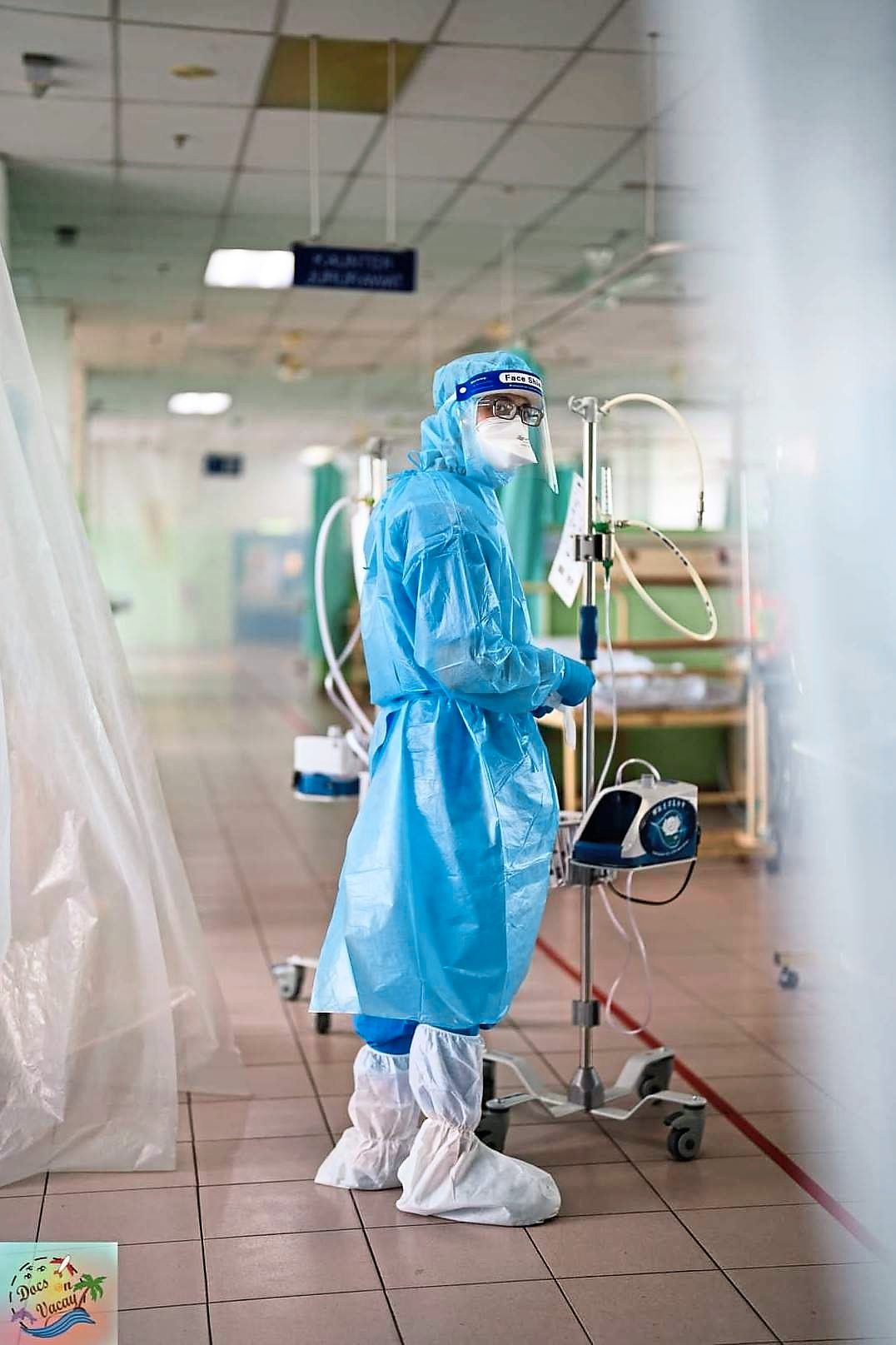
Interestingly, despite the scaling down everyone is expecting, the Health Ministry received a more significant allocation under the revised 2023 Budget. RM36.3bil was allocated to the ministry, an increase from the RM36.1bil announced last year.
Public health medicine specialist Datuk Dr Zainal Ariffin Omar feels this is not necessarily in preparation for possible future pandemics.
“I think the budget is meant for routine services and maintenance of existing health services. Maybe a proportion will be reserved for situations involving outbreaks.
“However, as in the past, the government will always have a backup plan and budget for emergencies or outbreak management.”
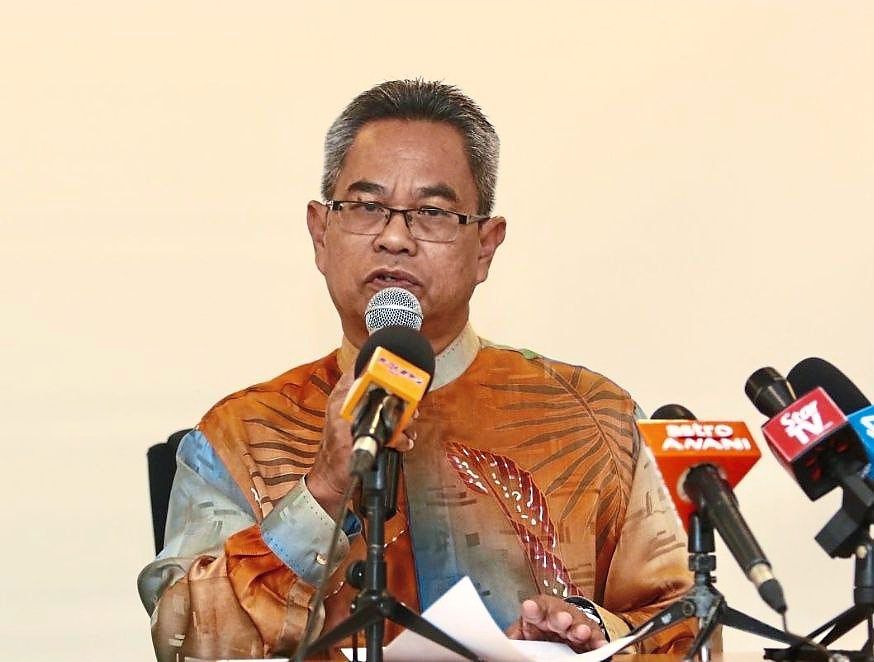
He advises the public to maintain hygiene practices adopted during the pandemic.
“We must continue to be vigilant. Continue practising the previous SOP, especially the use of masks, washing of hands, and avoiding crowded areas.
“Do not forget to meet your immunisation schedule, including for booster shoots.”
Planning for the future
Universiti Putra Malaysia epidemiologist Assoc Prof Dr Malina Osman says it is crucial to strategise efforts to prevent the healthcare system from being compromised during a pandemic.
“In addition, anticipating double health jeopardies during a pandemic should also be considered carefully.
“At this time, as healthcare costs continuously escalates, we have no option except to opt for a more resilient system to make sure each individual one of us can access standard, quality healthcare,” Dr Malina says, referring to the Health White Paper expected to be tabled in Parliament on Wednesday.

The document will list the healthcare reforms that are required to be implemented over the next 15 years.
The paper will detail, among others, the challenges the healthcare industry is facing, such as a lack of manpower, overstretched facilities, and the burden of noncommunicable diseases.
“Major changes as proposed in the White Paper need to be rationalised in terms of immediate and long-term impact. It should not be judged solely based on emotion, limited information, or political inclination,” Assoc Prof Dr Malina notes.
Already a subscriber? Log in
Get 20% OFF The Star Digital Access
Cancel anytime. Ad-free. Unlimited access with perks.
