
MALAYSIA is betting on more than just digital growth for the future – it's also cultivating the country’s biological resources through a biotechnological push that promises to turn science into serious economic value.
Under the National Biotechnology Policy 2.0, the Government's vision is to build a high-tech, bio-innovation nation by 2030, Malaysian Bioeconomy Development Corporation CEO Mohd Khairul Fidzal Abdul Razak tells the Sunday Star.
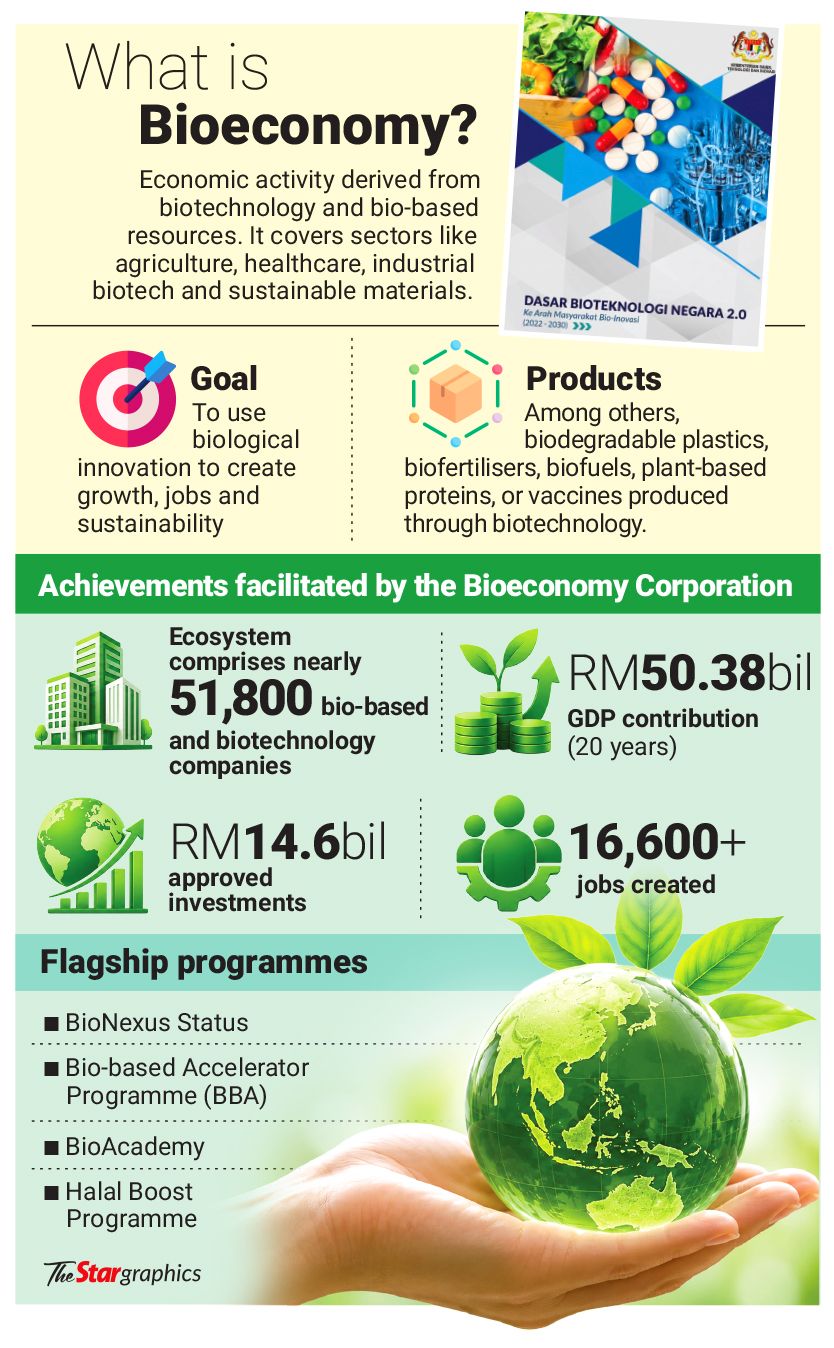
To realise that vision, however, people must first understand what bioeconomy is and why it matters, he says.
Here is where the media plays a vital role: to spread awareness on the importance of bioeconomy for a developing nation.
"For a sector that can sometimes seem technical or complex, the media plays an important role in making it accessible through clear, balanced and engaging storytelling," Mohd Khairul notes.

Here are excerpts from the interview.
> Bioeconomy has been positioned as a driver of sustainable growth. How do you see biotechnology and bio-based industries contributing to Malaysia's economic resilience and environmental sustainability in the years ahead?
I believe the current geopolitical and economic landscape presents a timely opportunity for Malaysia to strengthen its bioeconomy, both now and in the years ahead. Countries are increasingly looking for alternative sources of energy, non-petroleum-based products, and more sustainable ways to produce food, essential materials, and healthcare solutions.
The bio-based and biotechnology industries help meet this growing demand by developing alternatives to fossil-based products and delivering more sustainable solutions that reduce reliance on imports and traditional resource-intensive models, while creating higher-value economic activities and job opportunities.
To ensure bioeconomy continues to deliver on these outcomes, Bioeconomy Corporation is focusing on six high-value, high-growth biotechnology sub-sectors: next-generation proteins, regenerative propagation, sustainable materials, bio-based chemicals, regenerative medicine, and precision diagnostics.
Practical applications are currently taking shape in Malaysia. Regenerative propagation technologies like tissue culture are helping farmers produce healthier planting materials for local crops such as banana and ginger.
In the food sector, next-generation proteins such as plant-based milk and fungi-based alternatives are offering more sustainable food options, while black soldier fly farming converts food waste into protein-rich animal feed.
For sustainable materials, oil palm empty fruit bunches can be turned into paper and packaging products, while plant, vegetable and fruit waste can be transformed into leather-like materials.

These areas are part of our effort to support the goals of National Biotechnology Policy 2.0 and reinforce Malaysia’s position as a regional leader in home-grown biotechnology innovation over the next five years.
Collectively, these focus areas are about building stronger domestic capabilities, reducing dependency on external supply chains, and improving how efficiently we use natural resources, while also lowering environmental impact through more circular and sustainable production systems.
Achieving this requires a whole-of-ecosystem approach. Government, industry, academia, investors and the media all have a role to play.
> Looking back at your journey, how has the media contributed in any way to support your efforts?
Since 2005, Bioeconomy Corporation, an agency under the Science, Technology and Innovation Ministry (MOSTI), has been working to advance Malaysia’s bioeconomy through the growth of biotechnology and bio-based industries across agriculture, healthcare, and industrial sectors. We help build an ecosystem where bio-innovation can deliver real-world impact through a range of support, primarily business facilitation, investment, talent development, market access, and funding, in line with MOSTI’s aspiration to position science, technology and innovation (STI) as key drivers of Malaysia’s economic growth and the well-being of its people.
From the early days under the National Biotechnology Policy 1.0 in 2005, when biotechnology was first introduced as a new economic driver, through to the National Biotechnology Policy 2.0 in 2022, and our evolution into Bioeconomy Corporation with a broader bioeconomy agenda, the media has helped make what was once a highly technical subject more relatable and relevant to everyday Malaysians.
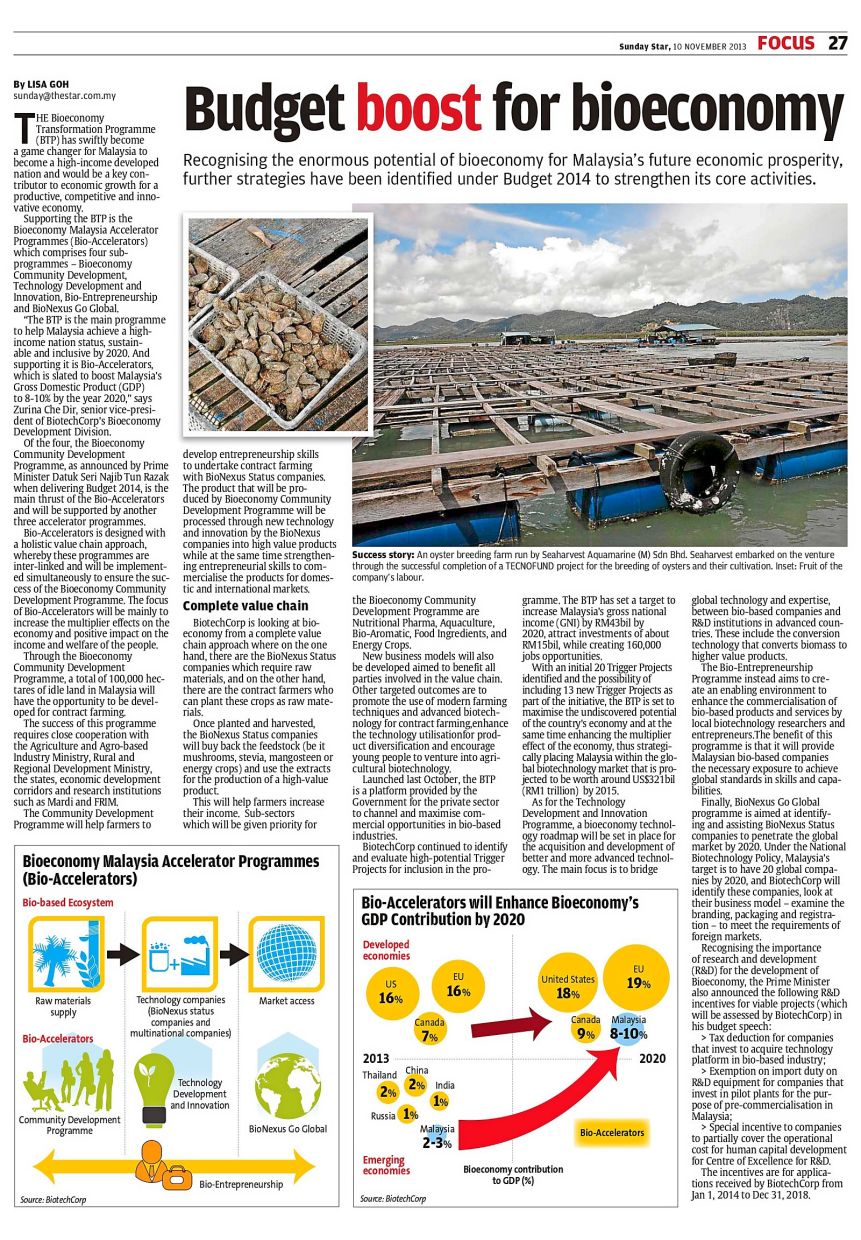
From our national initiatives to international engagements and grassroots programmes, the media has brought the people behind the innovations to the forefront.
Stories such as The Star's coverage of Malaysia's first biotechnology unicorn have also demonstrated how long-term collaboration between industry, government, and Bioeconomy Corporation can help local innovation compete on the global stage. More importantly, the media has helped shift the conversation around bio-based and biotechnology, from something unfamiliar and often met with scepticism, to an industry recognised for creating jobs, attracting investments, and improving lives.
That growing awareness has encouraged more talent and entrepreneurs to venture into the biotechnology and bio-based industries, strengthened confidence among investors and industry players, and supported the growth of Malaysia's bioeconomy ecosystem.
Today, that ecosystem comprises nearly 51,800 bio-based and biotechnology companies, including the BioNexus Status and Bio-based Accelerator companies, collectively contributing RM50.38 bil, or about 3% of Malaysia's GDP as of 2024. These achievements are the result of many stakeholders working together, and the media has certainly been an important part of that journey.
> In today's rapidly changing media landscape, what more can media organisations do to better serve the people while shaping public discourse and supporting Malaysia's nation-building efforts?
Media organisations can better serve people not just by reporting information, but by empowering them with valuable STI knowledge they may not realise can benefit them, especially on national priorities such as the bioeconomy.
The Government's vision for Malaysia’s bioeconomy under the National Biotechnology Policy 2.0 is to build a high-tech, bio-innovation nation by 2030. To realise that vision, people must first understand what the bioeconomy is and why it matters. For a sector that can sometimes seem technical or complex, the media plays an important role in making it accessible through clear, balanced, and engaging storytelling.
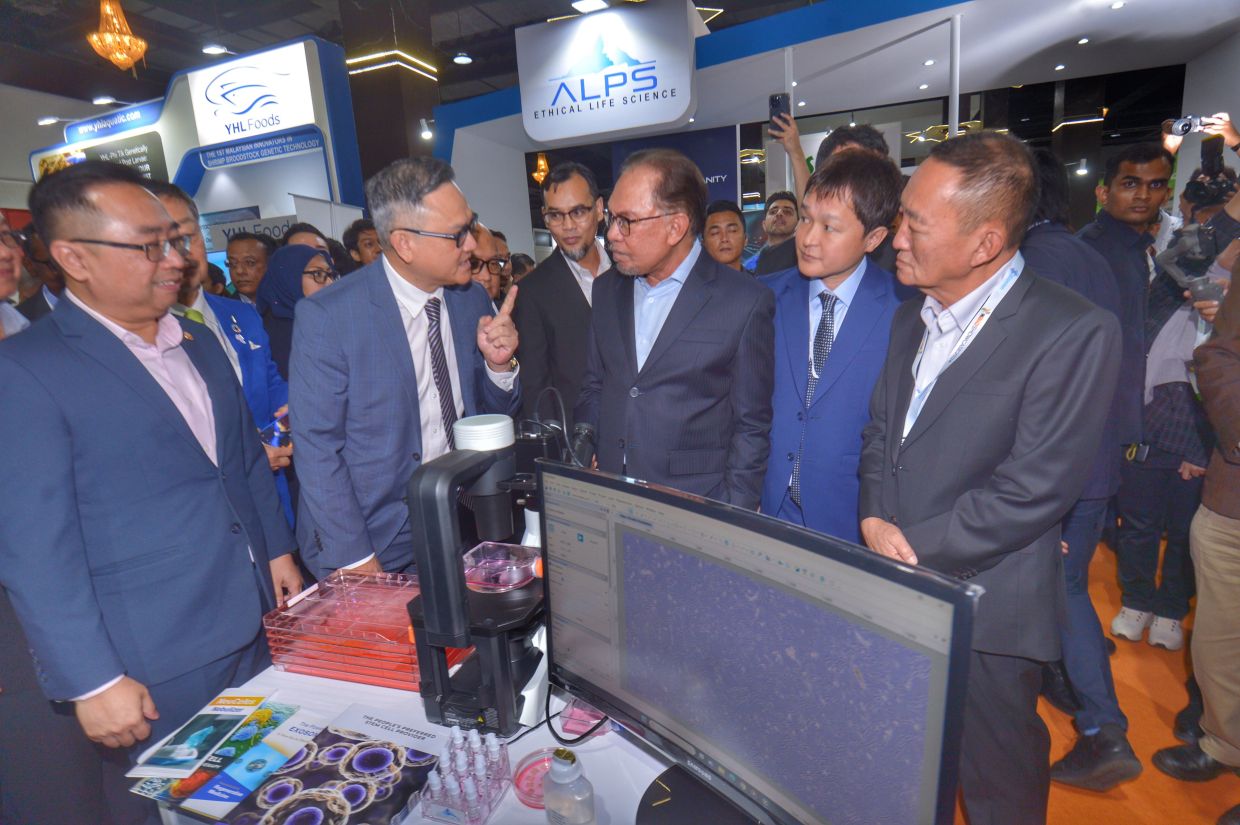
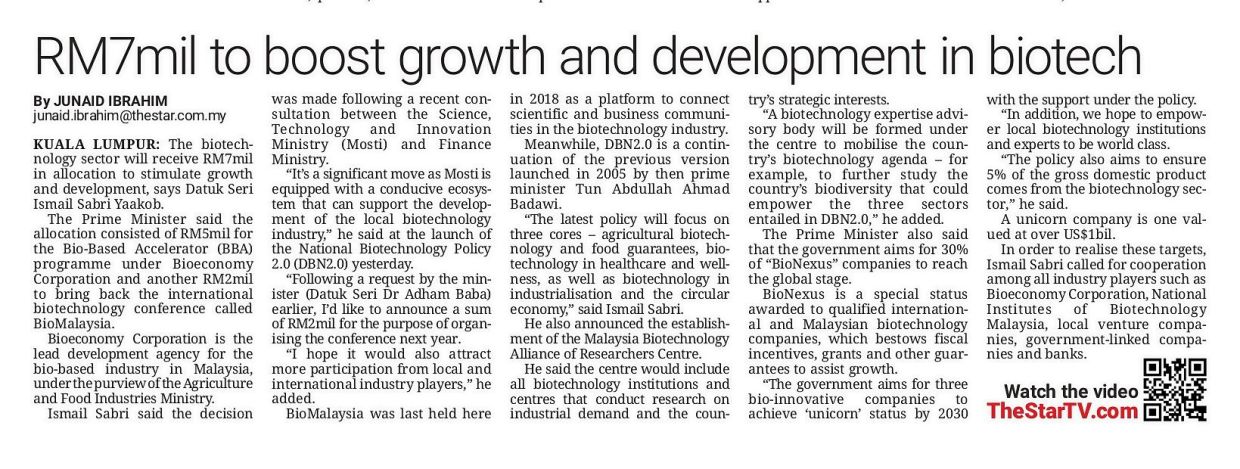
For a publication like The Star, I see an opportunity to continue bridging the gap between science and society. The Star's coverage of bio-based solutions such as turning food waste into compost through our community programme is a good example of how the media can make bioeconomy relevant to everyday Malaysians.
Beyond explaining the technology, it also helped raise awareness of sustainable food waste management and practical incentives, such as tax relief for household food composting machines.
When bioeconomy stories are told through the lens of the people - a young entrepreneur building a successful bio-based business; a researcher translating scientific discoveries into healthcare solutions; or a farming community improving its livelihood through bio-based technology - they become far more meaningful and relatable. These stories not only inform readers but also inspire the next generation of innovators and gamechangers, while building greater confidence in Malaysia's bioeconomy.
At the same time, the media has an important role in cutting through misinformation and ensuring conversations around STI, including bioeconomy, remain grounded in facts, rather than speculation on social media.
Ultimately, informed public discourse is essential to nation-building. When people understand how the bioeconomy creates opportunities, improves lives, and supports a more sustainable future, they are more likely to embrace innovation and contribute to Malaysia's long-term development.
> Civil society and agencies often talk about innovation, but what more can Bioeconomy Corporation do to ensure that bio-based solutions directly improve the lives of ordinary Malaysians - from food security to healthcare access?
Innovation only matters if it improves people’s lives. At Bioeconomy Corporation, our role is to ensure that effective bio-based and biotechnology solutions reach the communities where they matter most, whether in homes, farms, hospitals, industries, and even in global markets.
That means continuing to support more local bio-based and biotechnology companies in commercialising their innovations, enhancing partnerships across the public and private sectors, building a stronger pipeline of skilled talent for the bioeconomy workforce, and helping solutions, especially in terms of food and energy security, as well as healthcare, become more scalable and accessible for communities.
We have already seen encouraging examples on the ground. As highlighted by The Star, bioeconomy initiatives such as transforming discarded fishing nets into high-quality raw materials used in products like footwear, jerseys, and vehicle interiors not only reduce marine waste but also create additional income opportunities for local fishing communities. These are the kinds of bio-based solutions we want to see replicated and scaled across Malaysia because they deliver both environmental and economic benefits to ordinary people.
To support this broader effort, we are looking at how we can better reach and connect with the wider bioeconomy ecosystem. There are many bio-based and biotechnology businesses, researchers, talent, and communities in Malaysia that can benefit from the right support and guidance.
Here, the media plays an important role in creating visibility and amplifying awareness that allows the right connections to happen across the ecosystem. Platforms like The Star help bring these stories to a broader network of stakeholders and key decision-makers, including potential partners, investors, and even policymakers.
Meaningful change happens when innovation, policy, industry, and communities move forward together, and we believe the media is a key enabler in making this happen.