WITH teachers among the most vulnerable to money troubles, financial literacy must be prioritised in schools, starting with educators, stakeholders urge.
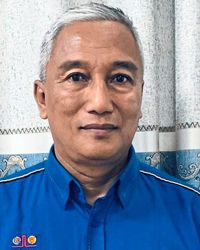
National Union of the Teaching Profession secretary-general Fouzi Singon said many teachers are under severe financial stress and have reached a point where they feel they have no viable way forward.
“Structured support is therefore crucial in helping them regain financial stability, rebuild their confidence, and remain focused on their primary responsibility of educating the nation’s future generation,” he told StarEdu.
The issue of Malaysians falling into bankruptcy has sparked concern in recent months.
Data from the Malaysian Insolvency Department reveals that Selangor records the highest incidence of bankruptcy among civil servants, with teachers identified as a particularly vulnerable group.
Some 85 teachers in the state were declared bankrupt over the last five years, with women representing the majority at 50 cases, it told The Star in a Feb 28 report.
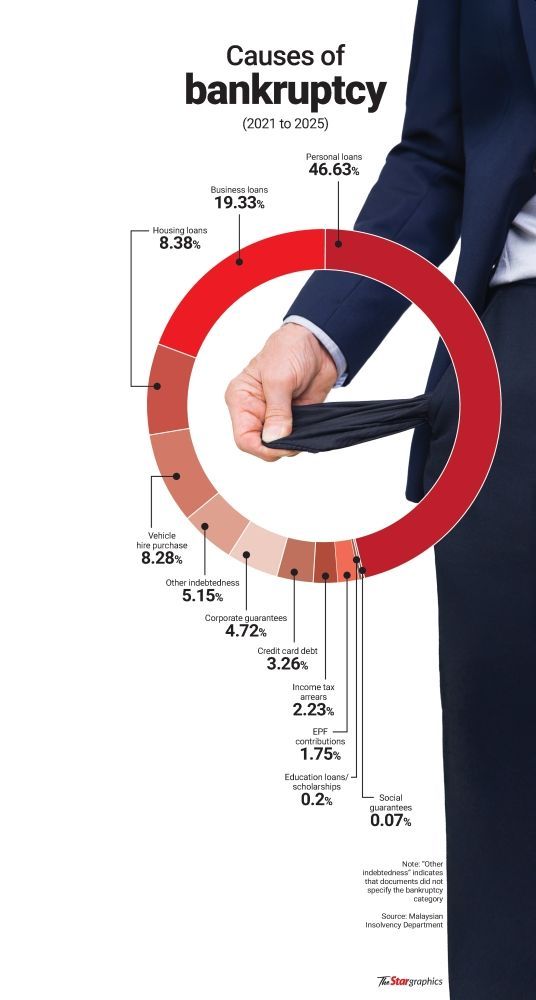
Causes of bankruptcy included personal loans, business loans, vehicle hire purchase, housing loans and credit card debt (see infographic), the report noted.
Making matters worse, last year alone, teachers who fell pray to scammers lost approximately RM6.2mil nationwide, according to various media reports.
Unseen pressures
SK Putrajaya Presint 11(1) teacher Mohd Saharudin Setapa said financial stress among educators may be more common than people realise, which is why teachers need targeted financial literacy programmes, tighter regulations on loan deductions, and practical guidance to manage debt effectively.

“Workshops on budgeting, responsible borrowing, and long-term financial planning should be made readily available.
“Ultimately, supporting educators financially ensures they can focus on teaching effectively without the constant weight of monetary stress,” he said.
Agreeing, SMK Puchong teacher Yogamalar Chandrasekaran said that on paper, teachers are seen as stable government servants with fixed salaries, but what people don’t often see is what happens beyond the payslip.
“Many teachers spend their own money on classroom essentials, professional courses, or even helping students from low-income families with books, food, or small fees.
“These acts come from compassion, not obligation. Over time, these additional expenses accumulate, so while the salary looks stable, the emotional and financial responsibilities are heavier than most people understand,” she added.

To strengthen financial literacy and provide practical support for teachers, Yogamalar said schools and the Education Ministry can invite certified, neutral financial planners to conduct workshops.
“Teachers’ unions can provide structured debt counselling and advisory support.
“Meanwhile, teachers themselves must normalise conversations about money, breaking the stigma around discussing personal finances and seeking help.
“Preventive education is key; it is far better to strengthen financial literacy before crises occur,” she said.
Noting that teachers are seen as role models, Yogamalar said their financial habits can influence the students they mentor.
“If we teach responsibility and planning, we must try our best to reflect those values in our own lives.
“It is not about showing wealth; it is about showing stability, wisdom and self-control,” she said.
Financial literacy, she added, is a form of character education.
“By demonstrating good financial habits, saving consistently, avoiding unnecessary debt, and planning for the future, educators indirectly teach students life skills that extend far beyond the classroom,” she said.
Fouzi said NUTP has taken proactive measures by engaging in discussions with the Credit Counselling and Debt Management Agency and Bank Negara Malaysia to ensure financially distressed teachers receive support.
“Affected teachers are assisted with structured financial planning to help them sustain their livelihood and meet the needs of their dependents with greater stability and dignity,” he said.
He urged teachers facing financial difficulties to seek assistance to better organise their finances and prevent their situation from worsening.
“Early intervention also reflects a sense of responsibility and commitment to restoring their financial stability with integrity,” he said.
Inspiration in action

Janani Jsudass, 16

Swastik Ram, 17

Christopher Foong, 16