TO move children beyond being passive recipients of information, a team of early childhood education experts from Tunku Abdul Rahman University of Management and Technology (TAR UMT) has developed a teaching module that shifts away from rote learning towards active classroom engagement.
Using picture books, the humanities-focused module encourages participation through storytelling, discussion, music, movement, visual arts and drama – an approach that aligns with the Education Ministry’s recent announcement on enhancing the national preschool curriculum using fun and engaging methods to support holistic child development.
TAR UMT Sabah branch assistant professor Dr Norazly Nordin said the aim of his team, including deputy head Joanne Lo Fui Senn and TAR UMT Pahang branch programme leader Muhammad Hilmi Abdul Rashid, was to help teachers implement the six focus areas in the new preschool curriculum in everyday teaching.
The six focus areas are socio-emotional development; physical development and personal well-being; language and literacy; spirituality, values and citizenship; creativity and aesthetics; and cognitive development.
Pilot sessions, he shared, have shown encouraging results.
“We observed that children actively participated in discussions and hands-on activities. We also received reports that some children asked their parents to purchase and read the storybooks to them at home,” he said in a press release.
The research has drawn the attention of the Malaysia Board on Books for Young People (MBBY), which approached the team to share their work with key players in the children’s book industry.
MBBY is a non-profit organisation that promotes high-quality children’s literature, connects Malaysian authors, illustrators and publishers with international audiences, and advocates for children’s access to books and literacy.
The ‘head, heart and hand’ approach
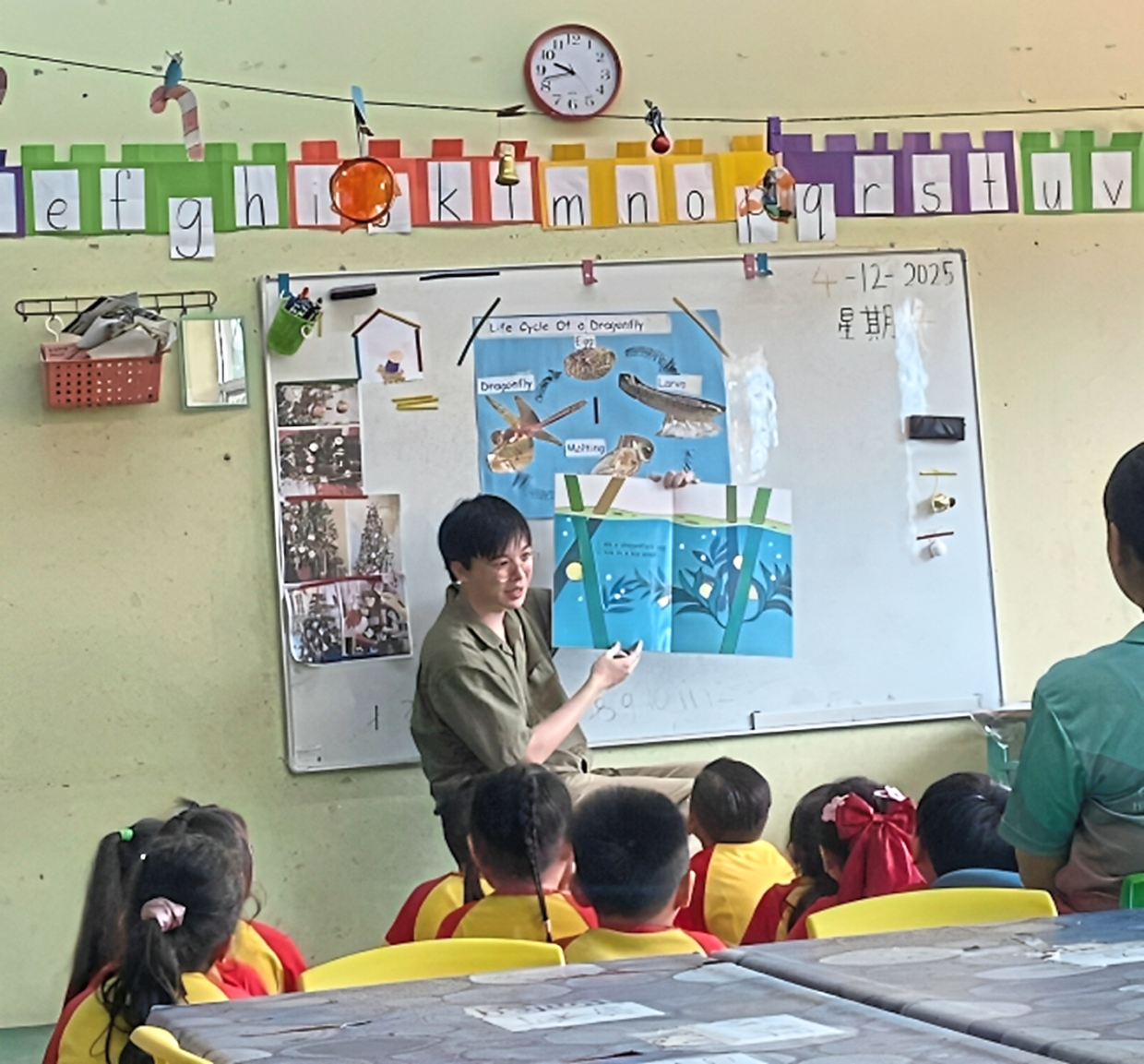
Comprising 30 structured lesson plans built around carefully selected picture books, guided by the ‘head, heart and hand’ approach, the module encourages children to think critically about stories and situations, feel and internalise values such as empathy, respect and responsibility, and act through hands-on, collaborative activities.
“For example, one lesson uses a picture book centred on local festive celebrations. After the reading session, children discuss the meaning of the celebration, take part in simple crafts, role-play festive scenes or sing related songs.
“Through this process, they learn respect for cultural diversity and develop social awareness, which directly supports national learning standards,” Dr Norazly shared.
Through role-play and creative expression, he added, children are able to explore different perspectives and emotions, making values education more meaningful and helping them internalise positive behaviour naturally.
He also cited another lesson that focuses on care for nature, using a story about animals or plants to guide discussion and reflection.
“Children are encouraged to express empathy by taking part in hands-on activities such as watering plants, creating nature-themed artwork, or discussing how to care for living things in their surroundings.
“These activities help children understand responsibility and compassion in a very concrete way. They are not just listening to values being explained – they are practising them,” he said.
From plan to practice
The lessons, which are mapped directly to national preschool learning standards, can be conducted by preschool teachers within existing classroom structures – such as the minimum weekly 30-minute reading sessions.
This ensures that literacy development, values education and socio-emotional learning are integrated without adding to teachers’ workload, the press release read.
To further assist educators who may feel overwhelmed by the new curriculum’s expanded focus, the team has also developed the CHERISH teaching model, which provides step-by-step guidance on everything from selecting the right books to facilitating student reflection and helping children apply values in their everyday lives.
“Our work focuses on humanity development, which includes self-understanding, understanding others, and building respectful relationships with the environment.
“These elements are very much reflected in the ministry’s emphasis on socio-emotional development and positive behaviour from an early age,” Dr Norazly concluded.