
Meaningful learning among factors putting M’sian varsities on the map
IN today’s changing world increasingly shaped by artificial intelligence, students are looking for purpose-driven education.
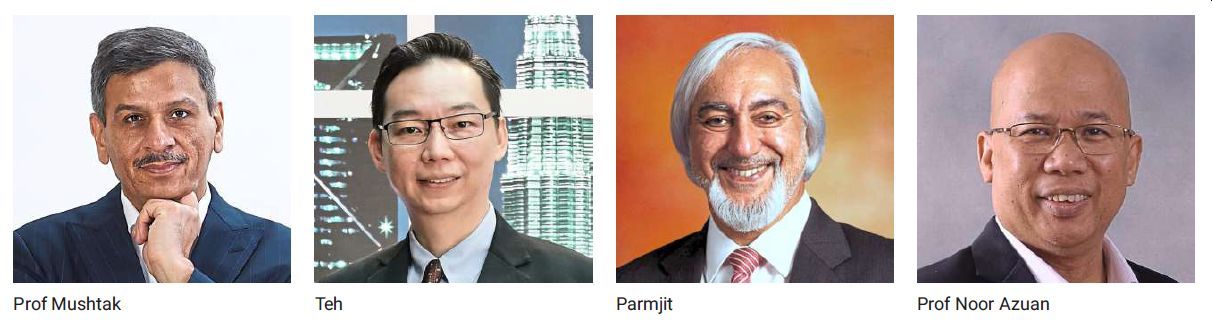
This, says Vice Chancellors’ Council for Private Universities chairman Prof Mushtak Al-Atabi, is a key strength of the country’s higher education system.
“Based on our interactions with students, we have found that they are no longer searching for a university that only equips them with technical skills, but for one where their education will be meaningful,” Prof Mushtak, who is also Heriot-Watt University Malaysia provost and chief executive officer, told StarEdu.
He said Malaysian institutions offer a strong sense of purpose grounded in multiculturalism, ethics and sustainability.
These, he added, cultivate empathy, ethical awareness, critical thinking and the resilience needed to navigate complex, real-world challenges.
These same qualities, he noted, make graduates valuable assets in the eyes of future employers.
“They are not just capable professionals, but also adaptable, socially conscious leaders who can contribute positively to organisational goals and communities, drive sustainable impact, and thrive in roles that require both human insight and technological competence.
“This benefits not just local students, as international students are also choosing Malaysia for these reasons,” he said.
His views are echoed in the recently released The Global Student Flows: Malaysia, a Quacquarelli Symonds (QS) report that indicates more international students are choosing Malaysia due to factors including affordability and cultural diversity.
According to Prof Mushtak, students want to know whether a university is respected by employers, academics and even their peers, and whether graduates are actually getting good jobs.
“Good reputation comes from investing in academic quality: better teaching, a more up-to-date curriculum, and research that is visible and relevant,” he said.
The QS report, published on Jan 13, also noted that while Malaysian higher education institutions are becoming more popular across Asia and Africa, student mobility from Europe and North America remains small at just 2% of total enrolments.
Malaysia’s multicultural environment and growing network of foreign campuses, however, are attracting more Latin American students, with numbers expected to rise by about 3% over the next five years.
National Association of Private Educational Institutions deputy president Dr Teh Choon Jin, who is also Asia Pacific University of Technology & Innovation (APU) registrar, said students from these regions are usually focused on global prestige, research reputation, and clear post-study work or migration pathways.
At the same time, he added, Malaysia usually markets itself much more actively in emerging markets.
“As a result, many students in Europe and the Americas simply don’t think of Malaysia when they think about studying abroad, even though the quality of education here has improved significantly,” he said.
Malaysian Association of Private Colleges and Universities president and APU chief executive officer Datuk Parmjit Singh said students from Europe, the United States and Australia usually come to Malaysia for short-term study programmes.
However, he added, Malaysia is starting to attract – albeit in smaller numbers – full-time students from those regions.
“In line with changing trends in student mobility, and with the right positioning and messaging, Malaysia will be in the best position among countries in the region to attract even more students from these areas in the future,” he said.
Universiti Malaya vice-chancellor Prof Datuk Seri Dr Noor Azuan Abu Osman said as more students choose Malaysia, varsities are actively shaping campuses that reflect Asia’s emerging role in higher education.
“So when Malaysia invests in international education, it is being strategically intelligent.
“It is building a future workforce, a global innovation engine, and a long-term network of allies and collaborators that will shape our national resilience for decades to come,” he added.